
For breeders
Breed dogs for this work? List your kennel free
Families come here to find a breeder. Make sure they find you.
Create your free profileAlready listed? Find your kennel and claim it. See prices
- Your own pageName, logo, photos and breeds. Free.
- Litters and stud dogsAdvertise each one. Free.
- PremiumPhone, email, website and a showcase. From £4.99 a month.
- Top of this pageFeatured places, labelled Sponsored.
About junior handling and the young kennel club
Junior handling gives children and young adults a way into dog showing that rewards their own skill rather than their dog’s looks. This page explains how it works, what the Young Royal Kennel Club offers and what families should ask a breeder when buying a puppy for a child to show.
What this work involves
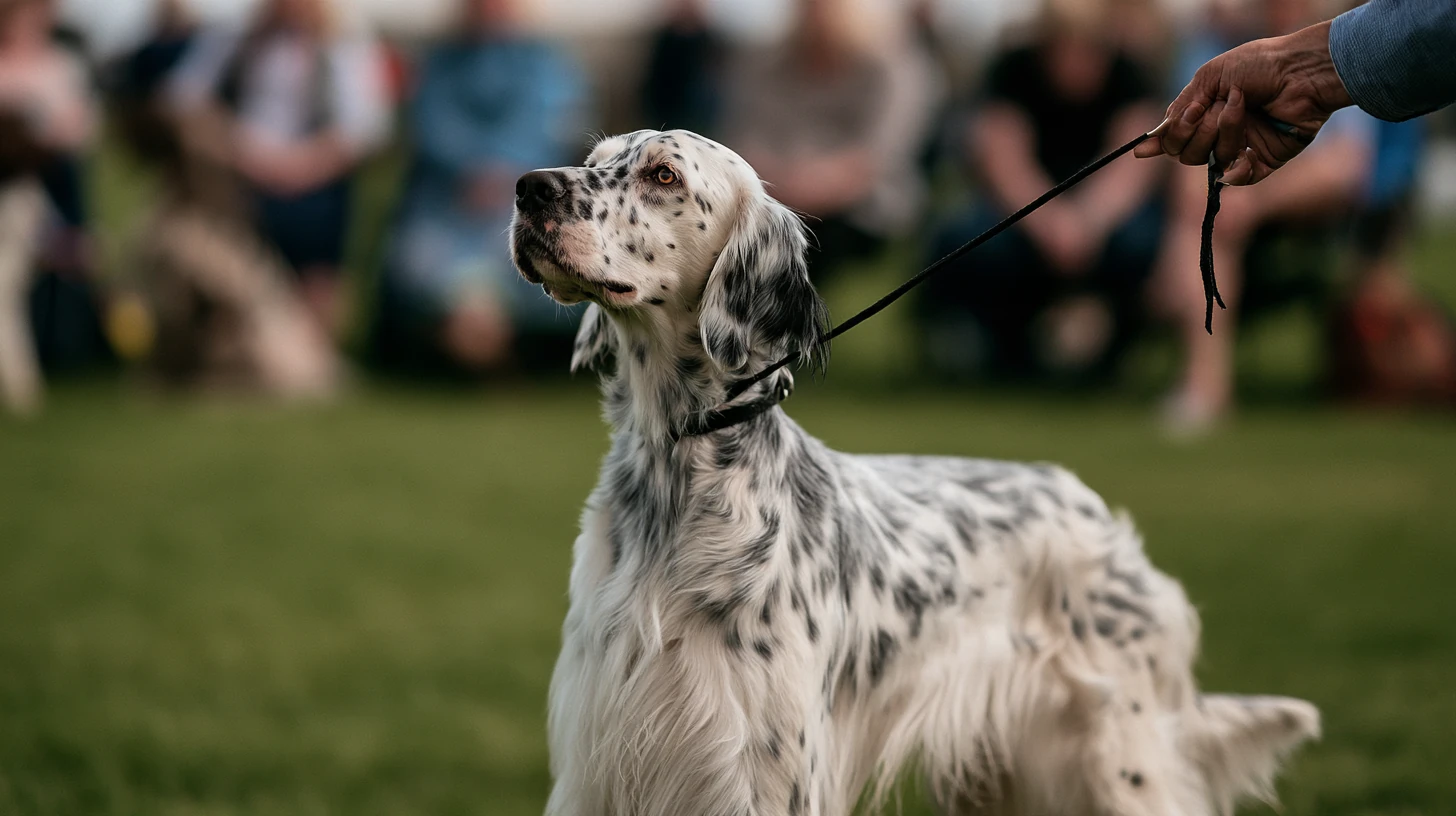
In junior handling it is the handler, not the dog, who is judged. Young handlers are assessed on how well they present their dog: moving it round the ring and in set patterns, standing it for the judge, keeping it settled and following the judge’s instructions, all in the same format as the breed ring. Good handling shows the dog off while the handler stays calm, courteous and aware of what the judge needs to see.
The Royal Kennel Club’s youth organisation, formerly the Young Kennel Club, is now the Young Royal Kennel Club (YRKC) but is still widely known as the YKC. It runs handling competitions in three age groups: 6 to 11, 12 to 17 and 18 to 24. Members compete in qualifiers at shows through the year, and qualifiers go through to finals in the YRKC’s own ring at Crufts. The YRKC also offers agility, obedience, rally, flyball, heelwork to music, grooming and stakes classes, and runs training days.
Who trains and supplies these dogs in the UK
There is no supplier. Families choose and train their own dogs, and young people learn handling at local ringcraft classes, breed club events and YRKC training days. The YRKC is open to ages 6 to 24; annual membership costs £20 and includes a membership number for entering YRKC Crufts qualifiers, a free one-day ticket to Crufts and two issues a year of the members’ magazine. The Royal Kennel Club runs Crufts, where the YRKC finals are held.
Families often buy a puppy for a child to show. Some young handlers show a dog belonging to a breeder, relative or family friend instead. Each competition’s rules set out which dogs can be entered, so check them before you plan a season of children showing dogs.
Breeds and lines
Any breed can be used, and a steady, biddable dog of a size the child can manage matters more than breed or show wins. Dogs entered in breed classes at Royal Kennel Club licensed shows must be on the Breed Register. Crossbreeds, and pedigree dogs not on the Breed Register, can join the Royal Kennel Club’s Activity Register to compete in agility, flyball, heelwork to music, obedience, rally and working trials, although Activity Register dogs cannot enter breed shows. Breeders whose own children or young relatives handle are often well placed to say which dogs in their lines have the temperament for it.
What to ask a breeder
- How have the puppies been socialised with children, and which puppy do you think suits a young handler?
- Will the puppy be on the Breed Register so it can enter show classes?
- How big and strong will the dog be as an adult, and can a child of my child’s age handle it safely?
- Would you help my child with ringcraft, or introduce us to a local class?
- Could we watch the parents at a show before we commit?
- What health tests do the parents hold?
Legal and welfare notes
Under the Animal Welfare Act 2006, which covers England and Wales, it is an offence to sell an animal to someone the seller has reasonable cause to believe is under 16, so a parent or other adult should buy the puppy. The Act also treats an adult with actual care and control of a child under 16 as responsible for any animal the child is responsible for. The adult should be recorded as the keeper on the microchip database. Scotland and Northern Ireland have their own animal welfare laws.
Frequently asked questions
What age can my child start junior handling?
YRKC membership is open from age 6 to 24, and handling competitions are divided into 6 to 11, 12 to 17 and 18 to 24, so young people compete against others of a similar age.
Does my child need a pedigree dog?
For handling at licensed breed shows, check the current YRKC rules before you buy; breed show entries are for dogs on the Breed Register. For agility, obedience and similar activities, a crossbreed on the Activity Register can compete.
Does the dog have to be a show winner?
No. The judge assesses the handler, so a well-trained, well-presented dog of average show quality is perfectly suitable. What matters is a dog that is happy to be handled and a young person who has practised.
If you breed dogs with the steady temperament young handlers need, or your family is active in the YRKC, you can list your kennel on Canine Breeder and let families know you welcome junior handlers.
Official organisations and sources
- Young Royal Kennel Club
- Young Royal Kennel Club: Dog showing (handling and stakes)
- Young Royal Kennel Club: Awards and competitions
- Crufts: The Young Royal Kennel Club
- The Royal Kennel Club: Dog showing
- The Royal Kennel Club: Find a show
External sites open in a new tab. Canine Breeder is not affiliated with these organisations.