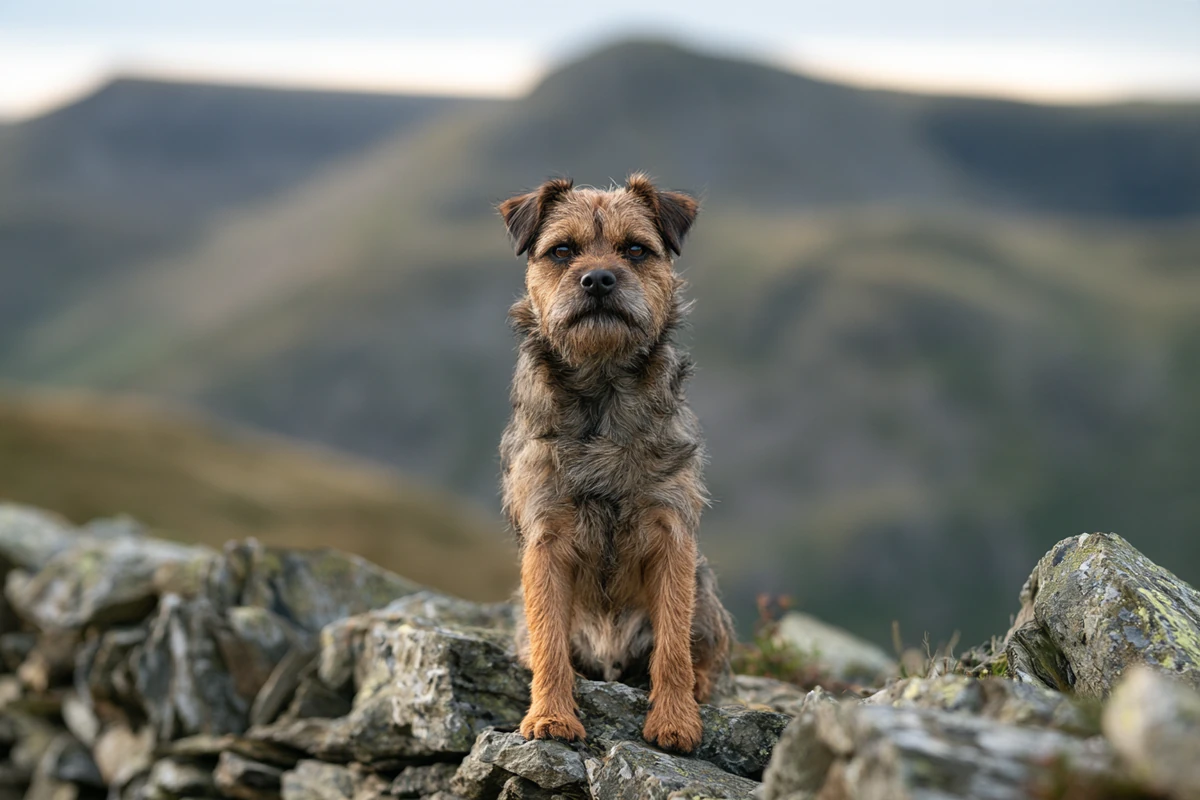
Advertise your Cesky Terrier puppies, litters and stud dogs
Do you breed Cesky Terriers? Add your kennel to caninebreeder.co.uk so buyers looking for Cesky Terrier breeders can find you by breed and area and join your waiting list early. You can advertise Cesky Terrier puppies for sale when a litter is planned, list a Cesky Terrier stud dog for other breeders, and explain how you protect genetic diversity. Your basic profile shows your kennel name, website, social media, location and categories. Create your breeder profile or compare plans.
No breeders are listed here yet, so the first profiles get the page to themselves.
- Free basic profile: your breeder or company name, website, social media, location, breeds and industries.
- Litters and stud dogs advertised in their own sections, never mixed with puppies for sale.
- Premium showcase for your services and prices, previous customers, awards, video, gallery and health certificates, with your phone and email shown to buyers.
- Sponsored articles about your breed or industry, written and published by our team.
- Featured placement at the top of this page, labelled as sponsored.
Is it free to advertise here?
Yes. A breeder profile and your litter and stud dog adverts are free. Premium profiles, featured placement and sponsored articles are optional paid extras; see pricing.
Do I need a licence to advertise puppies?
In England you need a dog breeding licence from your council if you breed three or more litters in 12 months or breed and sell dogs as a business, and Wales, Scotland and Northern Ireland have their own schemes. Licensed breeders show their licence number and issuing council on every advert. Puppies must be at least eight weeks old before they go to new homes.
Is my listing already here?
We add licensed breeders from councils' public registers. Search for your kennel name; if it is listed you can claim it and edit everything.
About the Cesky Terrier
The Cesky Terrier is a short-legged, rectangular terrier in the Royal Kennel Club (RKC) Terrier group and an uncommon breed in the UK. The RKC describes it as the gentle national dog of Czechia and notes that, although it comes from terrier stock bred to deal with vermin, it has a gentle manner with people.
Origin and purpose. Unusually, the breed has a documented creator. The Czech geneticist František Horák developed it from the late 1940s by crossing Scottish Terriers with Sealyham Terriers. The FCI recognised the breed in 1963 and the Kennel Club followed in 1990.
Size. The breed standard gives a height of 25 to 32 cm, ideally 29 cm for dogs and 27 cm for bitches, and a weight of 6 to 10 kg. It describes a well-muscled dog with drop ears and a long coat. The RKC classes the Cesky as a small breed with a lifespan of over 12 years.
Coat and grooming. The Cesky differs from hand-stripped terriers because its body coat is clipped. The standard asks for a slightly wavy coat with a silky sheen, clipped short on the back and neck but left longer on the foreface and skull, the legs and the belly, so that it forms a beard and prominent eyebrows. The RKC suggests grooming more than once a week and notes that the breed sheds. Colours are grey-blue or light brown, and yellow or grey markings are allowed on the cheeks, underside of the muzzle, neck, chest, lower legs and under the tail.
Exercise and home. The RKC suggests up to an hour of exercise a day and lists the breed as suitable for a small house with a small to medium garden, in town or country. The standard describes an agile, hardy working terrier with plenty of stamina.
Temperament. The standard asks for a dog that may be somewhat reserved with strangers but should be neither aggressive nor nervous.
Is it the right breed for you? Puppies are scarce: the Cesky Terrier Club says only a few are born in the UK each year and breeders usually keep waiting lists. Browse Cesky Terrier breeders, compare other Terrier group breeders, read about breed preservation and rare breeds and check our buyer safety guide before you contact anyone.
Cesky Terrier health tests
The RKC does not list any breed-specific screening schemes for the Cesky Terrier and does not currently offer a breed DNA test package, although individual DNA tests are available. Its Good Practice recommendation for the breed is to prioritise genetic diversity, which is one of the three strands of the RKC's Breeding for Health framework, alongside conformation and breed-related disease. That matters in a breed this small: the Cesky Terrier Club's health page reports that 17 puppies were registered in 2025 and 20 in 2024.
The club's breed health coordinator points breeders to the RKC's health guidance, encourages them to aim for Best Practice and asks owners to report health problems, eye test results and causes of death so the breed's health can be tracked. The BVA/KC/ISDS Eye Scheme is open to all dogs, so ask a breeder which checks they have chosen and why. Results for registered dogs appear on the Health Test Results Finder.
- RKC Good Practice: prioritising genetic diversity (check the inbreeding coefficient of any planned mating)
- RKC Best Practice: no additional breed-specific schemes or tests listed
- RKC breed-specific DNA test package: none currently offered
- BVA/KC/ISDS Eye Scheme: open to all dogs, not specifically listed by the RKC for the Cesky
- Breed Watch: Category 2, with incorrect dentition flagged for judges
Choosing a Cesky Terrier breeder
With so few litters born, finding a Cesky Terrier usually means getting to know breeders before a puppy exists. The Cesky Terrier Club suggests going to club events and shows to meet owners and breeders, and its puppy co-ordinator can tell you about planned litters. A good breeder will ask you plenty of questions, explain how they kept the pairing as unrelated as possible using the RKC inbreeding coefficient calculator, and tell you plainly which health tests the parents have had. The club notes that responsible breeders usually take back their dogs if an owner's circumstances change.
Expect to see the puppy with its mother where it was raised. In England, anyone who breeds three or more litters in 12 months and sells any of the puppies needs a council licence, Lucy's Law bans third-party puppy sales in England, and every puppy must be microchipped and registered by eight weeks old.
- What is the inbreeding coefficient of this mating, and how did you choose the stud dog?
- Which health tests have the parents had, and may I see the results?
- Can I meet the mother, and the father if he is available?
- How do you clip the coat, and will you show me how to keep it tidy?
- Will you take the dog back or help rehome it if my circumstances change?
Cesky Terrier questions
How big is a Cesky Terrier?
The RKC breed standard gives a height of 25 to 32 cm, ideally 29 cm for dogs and 27 cm for bitches, and a weight of 6 to 10 kg. It is a short-legged, rectangular terrier.
Is a Cesky Terrier's coat clipped or hand-stripped?
Clipped. Unlike hand-stripped terriers, the Cesky's body coat is clipped short, while the hair on the foreface and skull, the legs and the belly is left longer to form a beard and eyebrows. The RKC suggests grooming more than once a week.
Why are Cesky Terrier puppies hard to find?
The breed is numerically small. The Cesky Terrier Club reports 17 puppies registered in 2025 and says breeders usually have waiting lists, so it suggests meeting breeders at club events and shows and contacting its puppy co-ordinator.
What health tests should Cesky Terrier parents have?
The RKC lists no breed-specific schemes for the Cesky; its Good Practice advice is to prioritise genetic diversity. Ask the breeder about the inbreeding coefficient of the mating and any tests the parents have had. The breed is in Breed Watch Category 2, with incorrect dentition as the point of concern.
More for Cesky Terrier owners and breeders
- Cesky Terrier: breeders
- Cesky Terrier: puppies for sale
- Cesky Terrier: stud dogs
- All Terrier group breeds
Official sources
- Cesky Terrier breed information - The Royal Kennel Club
- Cesky Terrier breed standard - The Royal Kennel Club
- Cesky Terrier Breed Watch Category 2 - The Royal Kennel Club
- Breeding for health framework - The Royal Kennel Club
- Eye scheme - BVA
- The Cesky Terrier Club
- Health matters - The Cesky Terrier Club
- Finding a Cesky - The Cesky Terrier Club
- Health Test Results Finder - The Royal Kennel Club
- Inbreeding coefficient calculator - The Royal Kennel Club
- Dog breeding licence (England) - GOV.UK