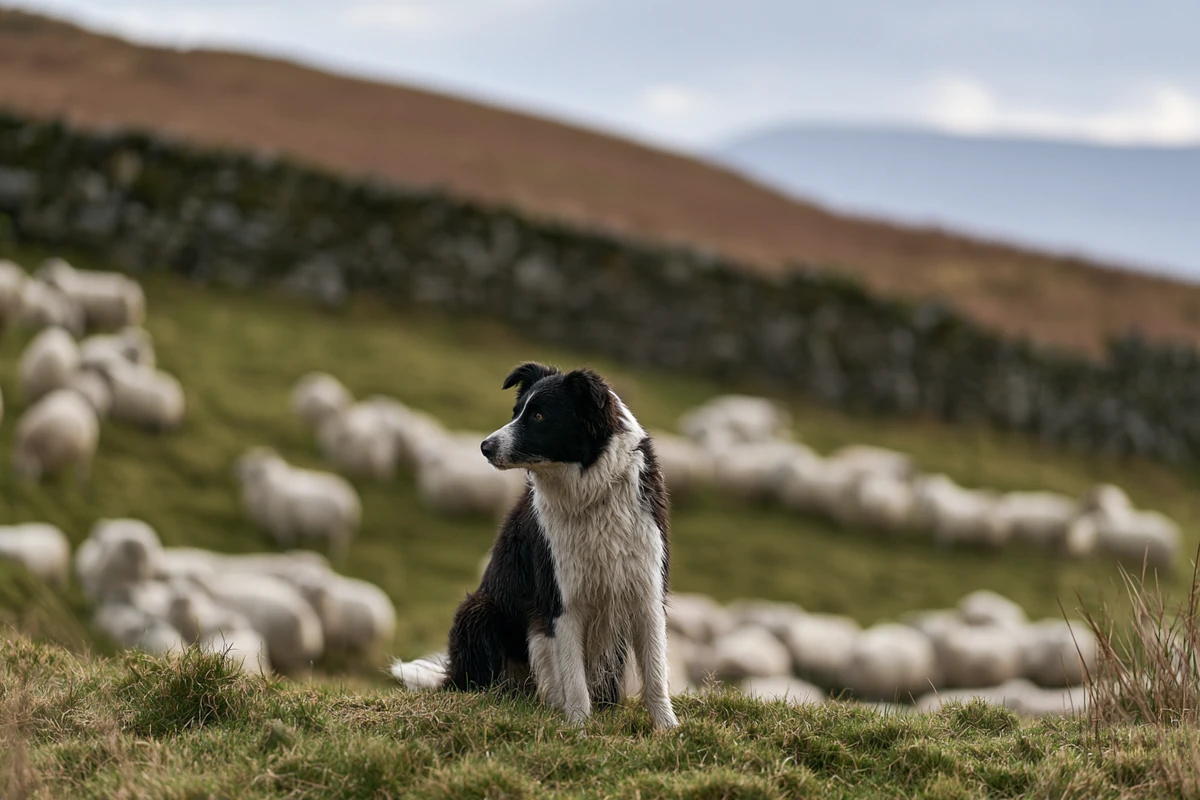
Advertise your Maremma Sheepdog puppies, litters and stud dogs
Breed Maremma Sheepdogs? Buyers looking for a guardian breed want to know who you are and how your dogs are raised. List your kennel on caninebreeder.co.uk to advertise Maremma Sheepdog puppies for sale, promote your Maremma Sheepdog stud dog and share your hip scores in one place. Your basic profile shows your kennel name, website, social media, location and categories, and you can add litters as they are planned. See how we verify breeders to get started.
No breeders are listed here yet, so the first profiles get the page to themselves.
- Free basic profile: your breeder or company name, website, social media, location, breeds and industries.
- Litters and stud dogs advertised in their own sections, never mixed with puppies for sale.
- Premium showcase for your services and prices, previous customers, awards, video, gallery and health certificates, with your phone and email shown to buyers.
- Sponsored articles about your breed or industry, written and published by our team.
- Featured placement at the top of this page, labelled as sponsored.
Is it free to advertise here?
Yes. A breeder profile and your litter and stud dog adverts are free. Premium profiles, featured placement and sponsored articles are optional paid extras; see pricing.
Do I need a licence to advertise puppies?
In England you need a dog breeding licence from your council if you breed three or more litters in 12 months or breed and sell dogs as a business, and Wales, Scotland and Northern Ireland have their own schemes. Licensed breeders show their licence number and issuing council on every advert. Puppies must be at least eight weeks old before they go to new homes.
Is my listing already here?
We add licensed breeders from councils' public registers. Search for your kennel name; if it is listed you can claim it and edit everything.
About the Maremma Sheepdog
The Maremma Sheepdog is a large, white flock guardian from Italy, placed in the Royal Kennel Club (RKC) Pastoral Group.
Origins and purpose
White sheepdogs have a long history in Italy: the RKC breed profile notes that the Roman writer Varro described them around 100 BC. The modern breed is thought to descend from two old types, the sheepdogs of the Abruzzo and of the Maremma plains, and the seasonal movement of flocks between grazing grounds helped shape it. The RKC says the breed can still be seen doing its original work in northern Italy. That work is to live with the flock and protect it rather than to round it up; the Maremma Sheepdog Club of America (MSCA) describes a dog that bonds closely with the livestock in its care and becomes protective of them. Read more about guardian breeds on our farm and working dogs page.
Size and appearance
The breed standard asks for a majestic, lithe and strongly built dog with an "outdoor" look. Ideal height is 65-73 cm (25½-28½ in) for dogs and 60-68 cm (23½-26½ in) for bitches, with ideal weights of 35-45 kg and 30-40 kg respectively. The colour is all white; a little ivory or pale fawn shading is allowed.
Coat and grooming
The coat is long, plentiful and rather harsh, may be slightly wavy but not curly, and forms a thick collar around the neck. Under it lies a thick, close undercoat that is heaviest in winter. The breed sheds, and the RKC advises grooming more than once a week.
Exercise and home
The RKC lists more than two hours of exercise a day and suggests a large house with a large garden in the country. Expected lifespan is over 10 years.
Temperament and suitability
The standard calls the Maremma intelligent, sturdy and courageous but not aggressive, with an expression of aloof awareness; any tendency to nervousness or aggression is unacceptable. The MSCA explains that guardian dogs are selected to make their own decisions, that barking is part of the guarding instinct and that owners should not expect a push-button dog. It does not recommend the Maremma as a pet, and says a Maremma needs a large fenced area and plenty of friendly contact with people from early puppyhood. Think carefully about space, fencing, neighbours and time before choosing this breed.
Maremma Sheepdog health tests
The RKC's pre-breeding health advice for the Maremma Sheepdog has two parts. Its Good Practice recommendation is to prioritise genetic diversity. Its Best Practice recommendation is hip screening under the BVA/KC Hip Dysplasia Scheme. Dogs must be at least one year old; the hips are X-rayed under anaesthesia or heavy sedation and scored by a panel of veterinary scrutineers. Each hip is marked from 0 to 53, giving a total of 0 to 106, and lower scores are better. The RKC's advice for breeders is to choose dogs with scores around, and ideally below, the breed median.
The Maremma is in Breed Watch Category 2. The one point of concern flagged for show judges is nervous temperament, which fits the breed standard's statement that any tendency to nervousness or aggression is unacceptable. Buyers should pay as much attention to the parents' behaviour as to their paperwork. There are no additional breed-specific breeding restrictions.
- Prioritising genetic diversity (RKC Good Practice)
- Hip scoring under the BVA/KC Hip Dysplasia Scheme (RKC Best Practice)
- Breed Watch: Category 2 (point of concern: nervous temperament)
Choosing a Maremma Sheepdog breeder
A good Maremma breeder will be frank about what living with a guardian breed involves, and should ask about your home, garden, fencing and experience before offering you a puppy. Both parents should be hip scored under the BVA/KC scheme, ideally at or below the breed median, and the breeder should be able to show the certificates or the results on the RKC Health Test Results Finder. Because Breed Watch highlights nervous temperament, meet the mother, and the father if he is on site, and watch how they respond to visitors. Ask how the puppies have been raised and socialised with people, other dogs and livestock. The breeder should also be able to give you the litter's inbreeding coefficient. In England, anyone breeding three or more litters in 12 months and selling any of the puppies needs a council licence. Contact details for the Maremma Sheepdog Club of Great Britain are on the RKC website, and our buyer safety guide explains how to avoid scams.
- Can I see both parents' hip scores, and how do they compare with the breed median?
- Can I meet the mother, and the father if he is here, while visitors are present?
- How have the puppies been socialised with people, dogs and livestock?
- What is the inbreeding coefficient for this mating?
- Will you take the dog back if my circumstances change?
Maremma Sheepdog questions
Is a Maremma Sheepdog a good family pet?
It is a working guardian breed, and the Maremma Sheepdog Club of America says it does not recommend the Maremma as a pet. It advises that any Maremma living with people should be temperament tested, heavily socialised from puppyhood and kept with a large fenced area. The RKC suggests a large house and garden in the country and more than two hours of exercise a day.
Do Maremma Sheepdogs bark a lot?
They can. The Maremma Sheepdog Club of America explains that barking is part of the breed's guarding instinct, so a Maremma kept where many people pass by may announce each one. Owners with close neighbours should consider this carefully.
What health tests should Maremma Sheepdog parents have?
The RKC recommends hip scoring under the BVA/KC Hip Dysplasia Scheme as Best Practice and advises breeders to prioritise genetic diversity. Because Breed Watch flags nervous temperament, meeting the parents is just as important.
How big does a Maremma Sheepdog get?
The breed standard gives an ideal height of 65-73 cm for dogs and 60-68 cm for bitches, with ideal weights of 35-45 kg and 30-40 kg. Individual dogs may fall outside these figures.
More for Maremma Sheepdog owners and breeders
- Maremma Sheepdog: breeders
- Maremma Sheepdog: puppies for sale
- Maremma Sheepdog: stud dogs
- All Pastoral group breeds
- Livestock guardian dogs
Official sources
- Maremma Sheepdog breed profile (Royal Kennel Club)
- Maremma Sheepdog breed standard (Royal Kennel Club)
- Maremma Sheepdog Breed Watch Category 2 (Royal Kennel Club)
- Hip dysplasia screening scheme (Royal Kennel Club)
- BVA/KC Hip Dysplasia Scheme (British Veterinary Association)
- Maremma Sheepdog Club of Great Britain (RKC club profile)
- What is a Maremma Sheepdog? (Maremma Sheepdog Club of America)
- Maremma Sheepdog FAQ (Maremma Sheepdog Club of America)
- Health Test Results Finder (Royal Kennel Club)
- Inbreeding coefficient (COI) calculator (Royal Kennel Club)
- Dog breeding licence (England) (GOV.UK)