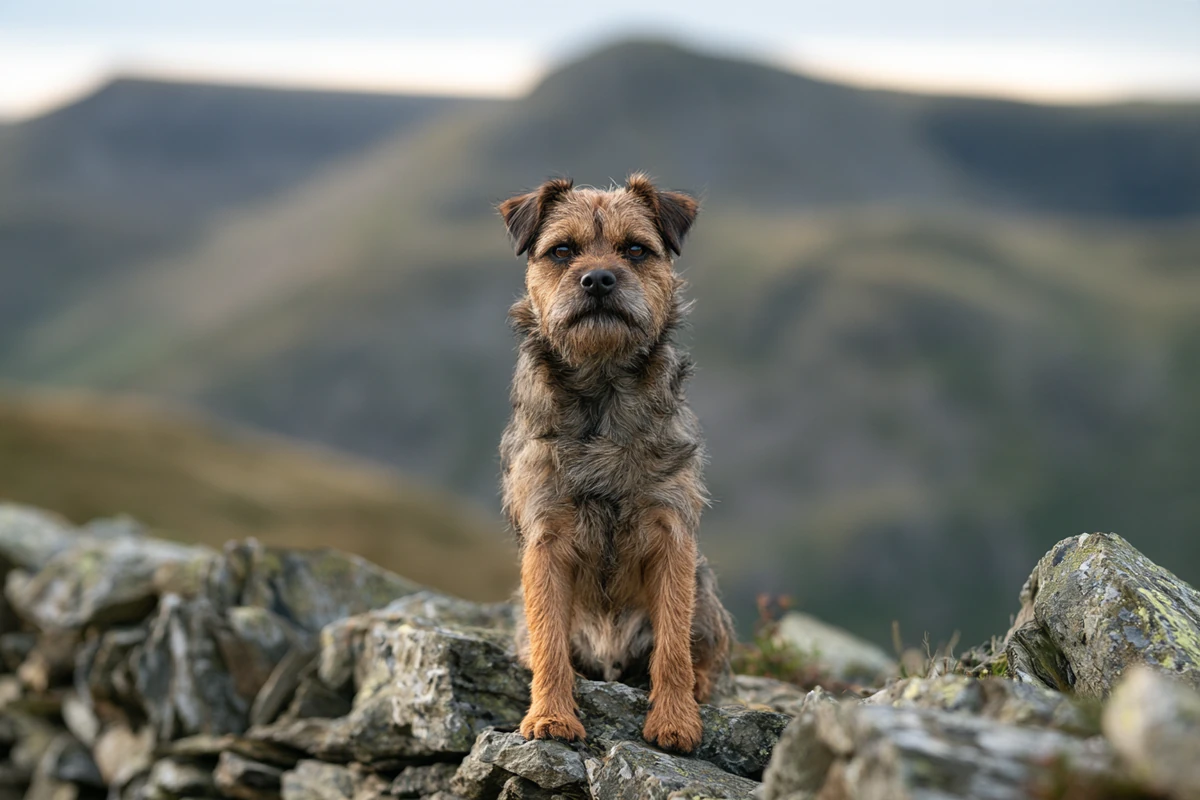
Advertise your Parson Russell Terrier puppies, litters and stud dogs
Do you breed Parson Russell Terriers? List your kennel on caninebreeder.co.uk so buyers looking for this vulnerable native breed can find you. A free profile shows your kennel name, website, social media, location and categories, and litter and stud adverts are free too. Advertise Parson Russell Terrier puppies for sale, promote your Parson Russell Terrier stud dog, and upgrade to Premium to show your services and prices, testimonials and health test certificates. Add your listing or compare plans.
No breeders are listed here yet, so the first profiles get the page to themselves.
- Free basic profile: your breeder or company name, website, social media, location, breeds and industries.
- Litters and stud dogs advertised in their own sections, never mixed with puppies for sale.
- Premium showcase for your services and prices, previous customers, awards, video, gallery and health certificates, with your phone and email shown to buyers.
- Sponsored articles about your breed or industry, written and published by our team.
- Featured placement at the top of this page, labelled as sponsored.
Is it free to advertise here?
Yes. A breeder profile and your litter and stud dog adverts are free. Premium profiles, featured placement and sponsored articles are optional paid extras; see pricing.
Do I need a licence to advertise puppies?
In England you need a dog breeding licence from your council if you breed three or more litters in 12 months or breed and sell dogs as a business, and Wales, Scotland and Northern Ireland have their own schemes. Licensed breeders show their licence number and issuing council on every advert. Puppies must be at least eight weeks old before they go to new homes.
Is my listing already here?
We add licensed breeders from councils' public registers. Search for your kennel name; if it is listed you can claim it and edit everything.
About the Parson Russell Terrier
The Parson Russell Terrier is a small, athletic working terrier in the Royal Kennel Club (RKC) Terrier group. It is named after the Reverend John Russell, a clergyman and keen huntsman who in 1819 bought a white terrier bitch called Trump; the RKC breed page regards her as the founder of the breed. Used to go to ground after fox or badger, these terriers needed to be a handy size for work underground yet have the stamina and speed to keep up with hounds. Enthusiasts drew up a breed standard in 1983, and The Kennel Club recognised the breed in 1990 as the Parson Jack Russell Terrier, taking its present name in 1999. The smaller Jack Russell Terrier is a separate breed, recognised in 2016.
The Parson Russell is a vulnerable native breed. The RKC recorded 292 registrations in 2025, below the figure of 300 a year it uses for its vulnerable native breeds list.
Size and build
The breed standard gives an ideal height of 36 cm (14 in) for dogs and 33 cm (13 in) for bitches. It asks for a workmanlike, balanced dog, a little longer than it is tall, with a chest that an average pair of hands can span behind the shoulders. Individual dogs may be larger or smaller than this.
Coat and grooming
The coat can be smooth, broken or rough, but it should always be harsh, dense and weather resistant over a good undercoat, and a prepared coat should look natural rather than clipped. Colour is white, or mainly white with markings in tan, lemon or black, preferably kept to the head and the root of the tail, although a little body colour is allowed. The RKC suggests grooming once a week and notes that the breed sheds.
Exercise and home
The RKC suggests up to an hour of exercise a day and rates the breed as suited to a small house with a small to medium garden, in town or country. Its lifespan is given as over 12 years.
Temperament
The standard describes the Parson Russell as bold and friendly, and as a confident, energetic and happy dog. It was bred to work fox, so it suits owners who can give it regular activity and consistent training. If you are interested in working the breed, read our guide to ratting and pest control terriers, or browse other terrier breeders.
Parson Russell Terrier health tests
On its breed page the RKC lists prioritising genetic diversity and two DNA tests at Good Practice level for the Parson Russell Terrier: late onset ataxia (LOA) and primary lens luxation (PLL). Best Practice adds a DNA test for spinocerebellar ataxia (SCA) and an eye examination under the BVA/RKC/ISDS Eye Scheme. The August 2026 RKC Health Standard matches this.
LOA and SCA both cause progressive problems with coordination and balance; the RKC says signs of LOA begin between 6 and 12 months of age, and SCA can appear from 2 to 6 months. PLL is a painful condition in which the lens slips out of place, which can lead to glaucoma and loss of sight. LOA and PLL are autosomal recessive, and SCA is thought to be inherited the same way, so a puppy is affected only if it inherits the faulty gene from both parents. The Eye Scheme's January 2026 list of breeds with known inherited eye disease includes the Parson Russell for PLL.
In a vulnerable native breed with a small gene pool, careful control of inbreeding matters. The breed is in Breed Watch Category 1, so no breed-specific points of concern have been flagged for show judges. Testing lowers risk but cannot guarantee a healthy puppy.
Health tests and schemes for the Parson Russell Terrier:
- DNA test for late onset ataxia (LOA) (RKC Good Practice)
- DNA test for primary lens luxation (PLL) (RKC Good Practice)
- Prioritising genetic diversity (RKC Good Practice)
- DNA test for spinocerebellar ataxia (SCA) (RKC Best Practice)
- Eye testing using the BVA/RKC/ISDS Eye Scheme (RKC Best Practice)
- Breed Watch: Category 1
- RKC status: vulnerable native breed
Choosing a Parson Russell Terrier breeder
A good Parson Russell breeder should be able to show you DNA results for LOA and PLL on both parents, ideally SCA as well, and a current certificate under the BVA/RKC/ISDS Eye Scheme. The RKC advises that breeding dogs are eye examined within the 12 months before mating. You can check the results of registered dogs yourself on the Health Test Results Finder.
Because the RKC registered only 292 Parson Russells in 2025, a careful breeder also thinks about genetic diversity: they can tell you the inbreeding coefficient of the mating and avoid relying on one popular stud dog. Expect to see the puppies with their mother, and expect questions about the time, exercise and training you can give an energetic working terrier. In England, anyone who breeds three or more litters in 12 months and sells any of the puppies, or runs a business breeding and advertising dogs for sale, needs a council licence and must show the licence number in their adverts. Read our buyer safety guide before you pay a deposit.
Questions to ask a Parson Russell Terrier breeder:
- Can I see the LOA, PLL and SCA DNA results for both parents?
- When were the parents last examined under the BVA/RKC/ISDS Eye Scheme?
- What is the inbreeding coefficient of this mating, and how many litters has the sire produced?
- What coat types do the parents have, and how do you prepare their coats?
- Will the puppy be RKC registered and microchipped, and what help do you offer once it is home?
Parson Russell Terrier questions
What is the difference between a Parson Russell Terrier and a Jack Russell Terrier?
The RKC treats them as two breeds. Both trace back to the Reverend John Russell's hunting terriers, but the Parson Russell has an ideal height of 36 cm for dogs and 33 cm for bitches, with forelegs slightly longer than the depth of its body. The Jack Russell Terrier standard gives 25 to 30 cm; that breed was first developed as a show dog in Australia and was recognised by The Kennel Club in 2016.
How much exercise does a Parson Russell Terrier need?
The RKC suggests up to an hour a day. The breed was used to keep up with hounds and go to ground after foxes, and its standard describes an energetic, confident dog, so it also needs training and something to occupy its mind as well as walks.
What health tests should the parents have?
The RKC lists DNA tests for late onset ataxia (LOA) and primary lens luxation (PLL) as Good Practice, and a DNA test for spinocerebellar ataxia (SCA) plus an eye examination under the BVA/RKC/ISDS Eye Scheme as Best Practice. Breeders should also prioritise genetic diversity.
Is the Parson Russell Terrier a rare breed?
It is on the RKC list of vulnerable native breeds, which covers British and Irish breeds with fewer than 300 registrations a year. The RKC recorded 292 Parson Russell registrations in 2025, against 377 in 2016.
More for Parson Russell Terrier owners and breeders
- Parson Russell Terrier: breeders
- Parson Russell Terrier: puppies for sale
- Parson Russell Terrier: stud dogs
- All Terrier group breeds
- Ratting and pest control terriers
Official sources
- Parson Russell Terrier breed information - Royal Kennel Club
- Parson Russell Terrier breed standard - Royal Kennel Club
- Breed Watch Category 1 - Royal Kennel Club
- Vulnerable native breeds - Royal Kennel Club
- Health Standard (August 2026) - Royal Kennel Club
- DNA test for late onset ataxia (LOA) - Royal Kennel Club
- DNA test for primary lens luxation (PLL) - Royal Kennel Club
- DNA test for spinocerebellar ataxia (SCA) - Royal Kennel Club
- Eye screening scheme - Royal Kennel Club
- Managing and maintaining genetic diversity - Royal Kennel Club
- Eye Scheme - British Veterinary Association
- Known inherited ocular diseases 2026 - British Veterinary Association
- Inbreeding coefficient calculator - Royal Kennel Club
- Health Test Results Finder - Royal Kennel Club
- Parson Russell Terrier Club - Royal Kennel Club club profile
- Northern Parson Russell Terrier Club - Royal Kennel Club club profile
- Jack Russell Terrier breed information - Royal Kennel Club
- Dog breeding licence (England) - GOV.UK
- Animal Welfare (Licensing of Activities Involving Animals) (England) Regulations 2018, Schedule 6 - legislation.gov.uk