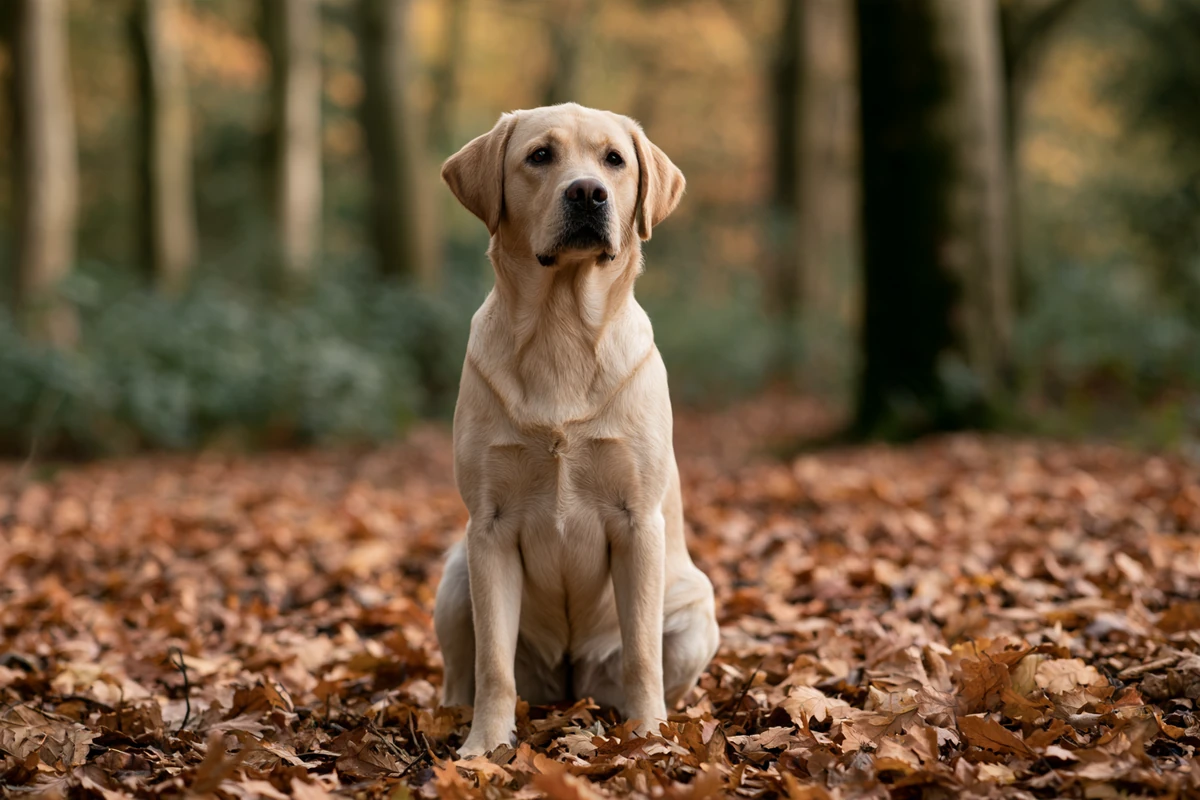
Advertise your Small Munsterlander puppies, litters and stud dogs
Do you breed Small Munsterlanders in the UK? With so few litters born here, buyers often struggle to find a breeder at all. List your kennel on caninebreeder.co.uk to advertise Small Munsterlander puppies for sale, post planned litters and offer a Small Munsterlander stud dog to other owners. Include registration details, COI figures and any hip or eye results so buyers can see how you breed, and mention any work your dogs do in the field. Add your listing.
No breeders are listed here yet, so the first profiles get the page to themselves.
- Free basic profile: your breeder or company name, website, social media, location, breeds and industries.
- Litters and stud dogs advertised in their own sections, never mixed with puppies for sale.
- Premium showcase for your services and prices, previous customers, awards, video, gallery and health certificates, with your phone and email shown to buyers.
- Sponsored articles about your breed or industry, written and published by our team.
- Featured placement at the top of this page, labelled as sponsored.
Is it free to advertise here?
Yes. A breeder profile and your litter and stud dog adverts are free. Premium profiles, featured placement and sponsored articles are optional paid extras; see pricing.
Do I need a licence to advertise puppies?
In England you need a dog breeding licence from your council if you breed three or more litters in 12 months or breed and sell dogs as a business, and Wales, Scotland and Northern Ireland have their own schemes. Licensed breeders show their licence number and issuing council on every advert. Puppies must be at least eight weeks old before they go to new homes.
Is my listing already here?
We add licensed breeders from councils' public registers. Search for your kennel name; if it is listed you can claim it and edit everything.
About the Small Munsterlander
The Small Munsterlander is a medium-sized gundog from the Münsterland region of north-west Germany. The RKC breed standard says dogs of this type have been recorded there since 1870, the product of a long tradition of breeding pointing and flushing dogs, and that Dr Friedrich Jungklaus drew up the first breed standard in 1921. The Royal Kennel Club (RKC) places it in the Gundog group, and the breed is on the RKC Imported Breed Register, which is why it appears as "Small Munsterlander (Imp)". The RKC standard was last updated on 1 August 2026, and the UK breed club reports that it is an agreed standard matching the international one.
The standard describes a strong, upstanding pointing dog with an elegant outline, a little longer in the body than it is tall. Dogs measure 52 to 56 cm at the withers and bitches 50 to 54 cm. The coat is of medium length, dense and water-repellent, sometimes slightly wavy, with feathering on the ears, forelegs and hindquarters and a well-feathered tail that ends in a white tip. The accepted colours are brown and white or brown roan, often with a white blaze, and tan markings are permitted.
On its breed page the RKC suggests up to an hour of exercise a day and grooming once a week, and notes that the breed sheds. It lists the Small Munsterlander as suited to a small house with a small to medium garden, in the country rather than a town, and gives a typical lifespan of over 10 years.
The standard calls for an intelligent, alert and easily trained dog that is friendly towards people and a keen, steady and persevering hunter. Its historical summary describes a versatile hunting dog for forest, field and water, and the UK's Small Munsterlander Club calls it a hunter, pointer and retriever. The club says members' dogs are used for picking up on driven shoots, retrieving for falconers and tracking. Owners who do not shoot will need other outlets for its nose and retrieving instinct.
The breed is rare in Britain. The club says there are very few here, and when its founders went looking for one they contacted breeders in the Netherlands, so buyers should be ready to wait or to consider an imported puppy.
Small Munsterlander health tests
The RKC lists one Good Practice measure for the Small Munsterlander: prioritising genetic diversity. It names no hip, elbow or eye scheme for the breed under Good or Best Practice, and there is no breed-specific DNA testing package, although individual DNA tests are available. There are no extra breed-specific breeding restrictions. The breed is in Breed Watch Category 1, meaning no breed-specific points of concern have been flagged for show judges.
Genetic diversity matters in a breed whose small UK population rests largely on imported dogs. The RKC's inbreeding calculators give a coefficient of inbreeding (COI) for a planned mating, but the RKC cautions that it may hold only a three-generation pedigree for an imported dog, which makes the figure less informative. Ask to see the full pedigree from the country of origin.
Although the RKC does not list them for this breed, the BVA/KC Hip Dysplasia Scheme screens dogs from one year of age and the BVA/KC/ISDS Eye Scheme is open to all dogs. Ask whether the parents hold results from these schemes or an overseas equivalent, and check any RKC registered dog on the Health Test Results Finder.
- Prioritising genetic diversity (RKC Good Practice)
- RKC Best Practice schemes: none listed for this breed
- DNA tests: no RKC breed-specific package; individual tests available
- Optional screening: BVA/KC Hip Dysplasia Scheme; BVA/KC/ISDS Eye Scheme
- Breed Watch: Category 1
- Register: RKC Imported Breed Register
Choosing a Small Munsterlander breeder
Small Munsterlander litters are rare in the UK, so a good breeder may keep a waiting list or be based abroad. Either way, look for someone who breeds for the sound temperament and working ability set out in the breed standard, and who can talk you through both parents' pedigrees, their training or working record and how they kept the COI of the mating low. The RKC will only register an imported dog that is already registered in its country of birth, so make sure the paperwork is in order before you commit.
In England, licensed breeders may not sell a puppy under eight weeks old and must show it with its mother. If you are buying from overseas, read the gov.uk rules first: a puppy must be at least 12 weeks old before its rabies vaccination and cannot travel until at least 21 days after it, and extra import rules apply when a dog is being sold or changing owner. A good breeder will explain these steps and will want to know about your home, your plans for training and how much time you have.
- Is the litter registered with the RKC or with the kennel club of the country where the puppies were born, and will I receive the registration papers or an export pedigree?
- What is the coefficient of inbreeding for this mating, and how many generations of pedigree does that figure use?
- Have the parents been hip scored or eye examined, under the BVA schemes or an overseas equivalent, and can I see the certificates?
- Can I see the puppies with their mother, and what can you tell me about the sire's temperament and work?
- How do you match puppies to working and family homes, and will you help if I can no longer keep the dog?
Small Munsterlander questions
Is the Small Munsterlander just a smaller Large Munsterlander?
No. The RKC treats them as separate breeds with their own breed standards. The Small Munsterlander stands 50 to 56 cm at the withers and is brown and white or brown roan, while Large Munsterlander dogs stand 60 to 65 cm and the RKC describes that breed's coat as black and white. The RKC suggests up to an hour of exercise a day for the Small Munsterlander and more than two hours for the Large.
What does (Imp) after the breed name mean?
It shows that the breed is on the RKC Imported Breed Register. Dogs on this register can be registered and can take part in activities such as working trials, obedience, agility and rally, but show competition is limited to certain classes. A breed stays on this register until the RKC considers it well enough established to move to the main Breed Register.
Can I bring a Small Munsterlander puppy from Europe?
Yes, if you follow the gov.uk rules for bringing a dog into Great Britain: a microchip, a rabies vaccination given at 12 weeks or older, a wait of at least 21 days after vaccination, a pet travel document and, depending on the country, tapeworm treatment. Extra rules apply if the dog is being sold or changing ownership. To register the puppy with the RKC, it must already be registered in its country of birth.
How much grooming and exercise does a Small Munsterlander need?
The RKC suggests grooming once a week and up to an hour of exercise a day, and notes that the breed sheds. It lists the breed as suited to country living with a small to medium garden. As a working gundog it also benefits from training that uses its nose and retrieving instinct.
More for Small Munsterlander owners and breeders
- Small Munsterlander: breeders
- Small Munsterlander: puppies for sale
- Small Munsterlander: stud dogs
- All Gundog group breeds
Official sources
- Small Munsterlander (Imp) breed information - The Royal Kennel Club
- Small Munsterlander (Imp) breed standard - The Royal Kennel Club
- Breed Watch Category 1 - The Royal Kennel Club
- Imported Breed Register Policy - The Royal Kennel Club
- Registration of an imported dog - The Royal Kennel Club
- Inbreeding calculators (COIs) - The Royal Kennel Club
- Genetic diversity: managing and maintaining - The Royal Kennel Club
- Health Test Results Finder - The Royal Kennel Club
- BVA/KC Hip Dysplasia Scheme
- BVA/KC/ISDS Eye Scheme
- The Small Munsterlander Club (UK)
- The Small Munsterlander Club - The breed
- Bringing your pet dog, cat or ferret to Great Britain - GOV.UK