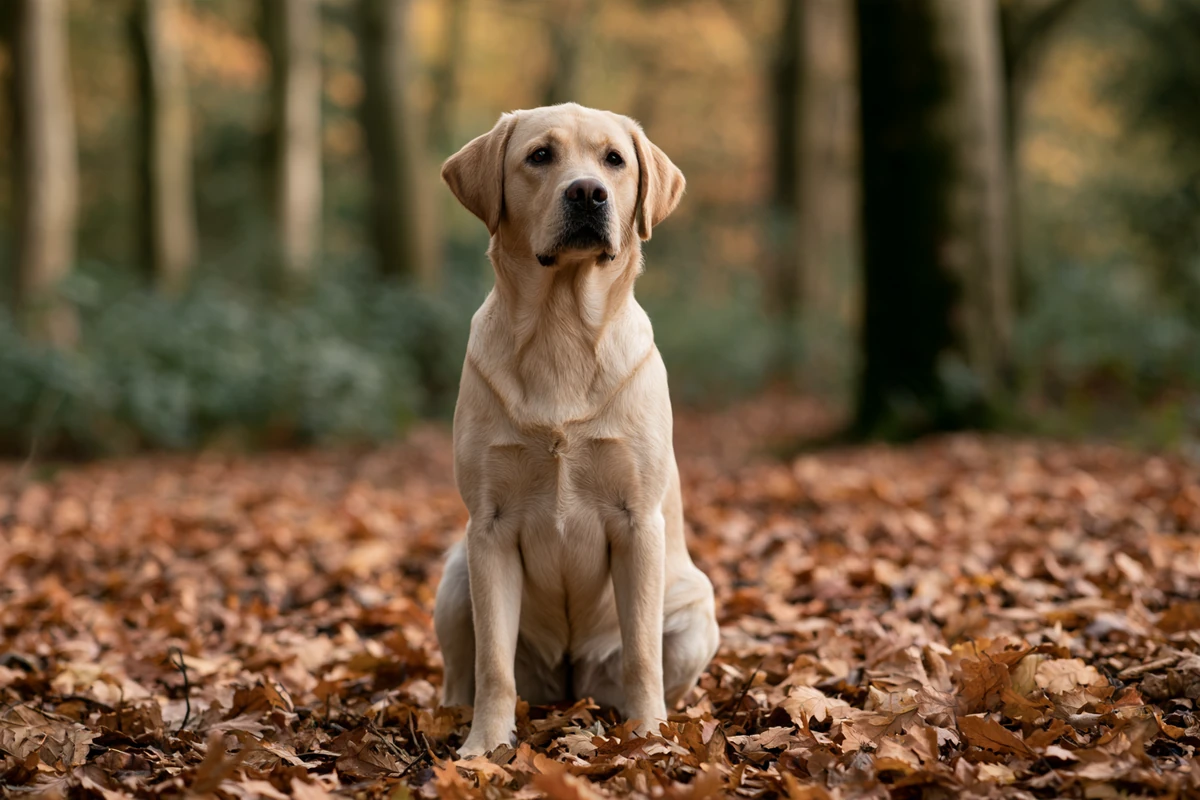
Advertise your Welsh Springer Spaniel puppies, litters and stud dogs
Breeding Welsh Springer Spaniels? List your kennel on caninebreeder.co.uk to advertise Welsh Springer Spaniel puppies for sale and to promote your Welsh Springer Spaniel stud dog to owners of bitches around the UK. The breed club urges buyers to check health test results before choosing a breeder, so your listing can show the eye, gonioscopy and hip testing you carry out and your RKC registration. Add planned litters early so suitable homes can contact you well before puppies are born.
No breeders are listed here yet, so the first profiles get the page to themselves.
- Free basic profile: your breeder or company name, website, social media, location, breeds and industries.
- Litters and stud dogs advertised in their own sections, never mixed with puppies for sale.
- Premium showcase for your services and prices, previous customers, awards, video, gallery and health certificates, with your phone and email shown to buyers.
- Sponsored articles about your breed or industry, written and published by our team.
- Featured placement at the top of this page, labelled as sponsored.
Is it free to advertise here?
Yes. A breeder profile and your litter and stud dog adverts are free. Premium profiles, featured placement and sponsored articles are optional paid extras; see pricing.
Do I need a licence to advertise puppies?
In England you need a dog breeding licence from your council if you breed three or more litters in 12 months or breed and sell dogs as a business, and Wales, Scotland and Northern Ireland have their own schemes. Licensed breeders show their licence number and issuing council on every advert. Puppies must be at least eight weeks old before they go to new homes.
Is my listing already here?
We add licensed breeders from councils' public registers. Search for your kennel name; if it is listed you can claim it and edit everything.
About the Welsh Springer Spaniel
The Welsh Springer Spaniel is a gundog from Wales. The Royal Kennel Club (RKC) notes that red and white hunting dogs appear in Welsh literature from the Middle Ages, and the Welsh Springer Spaniel Club (WSSC) says the breed can be traced reliably in Wales to the 18th century. The Kennel Club recognised the breed in 1902 (it was once known simply as the Welsh Spaniel), and the WSSC, formed in 1923, describes itself as the breed's parent club. Springers were bred to find game in undergrowth and flush, or spring, it, first for falconry and later for the gun, and many Welsh Springers are still worked today.
It is a vulnerable native breed. The RKC registered 213 Welsh Springers in 2025, and registration figures quoted by the WSSC show it has long been far less numerous than the English Springer.
Size and coat. The breed standard describes a compact, symmetrical dog built for endurance, with approximate heights of 48 cm (19 in) for dogs and 46 cm (18 in) for bitches at the withers. Rich red and white is the only accepted colour. The coat is straight or flat, silky and dense, with moderate feathering on the legs and light feathering on the ears and tail. The ears are comparatively small and shaped a little like a vine leaf.
Grooming. The RKC suggests grooming more than once a week. The breed sheds, and the WSSC warns owners to expect loose hair around the house and dried mud after wet walks.
Exercise. The RKC lists more than two hours of exercise a day and suggests a large garden, in town or country. The club recommends at least one good free run daily plus mental work; boredom can lead to barking or damage, and some like to dig, so a well-fenced garden matters.
Temperament. The standard asks for a kindly disposition that is never nervous. The WSSC describes the breed as merry, affectionate and intelligent, but sensitive to harsh handling and apt to treat commands as optional without consistent, gentle training. Welsh Springers want company and do not suit long hours alone or kennel life. With training and mutual respect they can make good family dogs, and they take part in working tests, agility and obedience. The club gives a typical lifespan of 10 to 15 years.
Welsh Springer Spaniel health tests
For the Welsh Springer Spaniel the RKC lists two Good Practice measures before breeding: prioritising genetic diversity, and an eye examination that includes gonioscopy for pectinate ligament abnormality (PLA). PLA is linked to primary closed-angle glaucoma, a painful condition that can cause blindness. Since 1 January 2026 gonioscopy results are recorded as Grade 1, 2 or 3. The RKC advises that Grade 3 dogs should not be bred from, and suggests testing at around 1, 4 and 7 to 8 years, as grades can change with age. Hip scoring is listed as Best Practice.
The breed's Joint Health Group, made up of delegates from the UK breed clubs, has concentrated on hip dysplasia, epilepsy and glaucoma, and a breed health survey covering 938 dogs was published in 2025. The WSSC Code of Ethics asks that a sire or dam is not bred from again after producing a puppy diagnosed with idiopathic epilepsy.
The breed is in Breed Watch Category 1, with no breed-specific points of concern for show judges, and the RKC applies no extra breed-specific breeding restrictions.
- Prioritising genetic diversity (RKC Good Practice)
- Eye testing (and gonioscopy for PLA) using the BVA/KC/ISDS Eye Scheme (RKC Good Practice); gonioscopy from 6 months of age
- Hip testing (for hip dysplasia) using the BVA/KC Hip Dysplasia Scheme (RKC Best Practice); dogs must be at least 12 months old
- Breed Watch: Category 1
- The RKC does not currently offer a breed-specific DNA testing package for the Welsh Springer Spaniel
Choosing a Welsh Springer Spaniel breeder
A good Welsh Springer breeder tests before breeding, not after. Both parents should have a current BVA/KC/ISDS eye certificate that includes a gonioscopy grade, and BVA/KC hip scores, with results you can check on the RKC Health Test Results Finder. The breeder will have checked the coefficient of inbreeding for the mating and should talk openly about glaucoma, epilepsy and hips in their lines. The WSSC Code of Ethics is a useful benchmark: bitches not mated before two years old (preferably three), no more than four litters per bitch, and puppies not leaving before seven weeks (preferably eight). Expect to be asked whether the puppy would be left alone all day, to hear an honest account of the breed's exercise and training needs, and to be offered help with rehoming if things do not work out.
- Can I see both parents' eye certificates, including their gonioscopy grades, and their hip scores?
- Has there been any epilepsy or glaucoma among the parents' close relatives?
- What is the litter's coefficient of inbreeding compared with the breed average?
- Can I see the puppies with their mother, and meet or find out about the sire?
- Will the puppy be RKC registered and microchipped, and will you be recorded as its first keeper on the microchip database?
Welsh Springer Spaniel questions
How much exercise does a Welsh Springer Spaniel need?
The RKC lists more than two hours a day for an adult. The Welsh Springer Spaniel Club recommends at least one good free run every day plus mental stimulation, such as short, varied training sessions, because boredom can lead to barking or destructive behaviour.
Are Welsh Springer Spaniels good with children?
The WSSC says they can get on very well with children when both sides are taught to respect each other, but a lively young dog and very small children can make for a hectic household. The club also warns that they dislike long spells apart from their people.
How is a Welsh Springer different from an English Springer?
They are separate breeds. The Welsh Springer comes only in rich red and white, has comparatively small, vine-leaf shaped ears and is a little smaller: the breed standards give about 48 cm for Welsh Springer dogs against about 51 cm for English Springers. It is also far less common: the RKC registered 213 Welsh Springers in 2025.
Which health tests should a Welsh Springer's parents have?
The RKC recommends an eye examination including gonioscopy for PLA under the BVA/KC/ISDS Eye Scheme, hip scoring under the BVA/KC Hip Dysplasia Scheme, and attention to genetic diversity. The breed club also asks buyers to read about hip dysplasia, epilepsy and glaucoma before choosing a puppy.
More for Welsh Springer Spaniel owners and breeders
- Welsh Springer Spaniel: breeders
- Welsh Springer Spaniel: puppies for sale
- Welsh Springer Spaniel: stud dogs
- All Gundog group breeds
- Field trial spaniels
Official sources
- Spaniel (Welsh Springer) breed information - The Royal Kennel Club
- Spaniel (Welsh Springer) breed standard - The Royal Kennel Club
- The Welsh Springer Spaniel Club
- Welsh Springer Spaniel Club - health and welfare
- Welsh Springer Spaniel Club - getting a puppy and breeders' code of ethics
- BVA/KC/ISDS PLA (gonioscopy) eye testing - The Royal Kennel Club
- Eye Scheme (BVA/KC/ISDS) - British Veterinary Association
- Hip Dysplasia Scheme (BVA/KC) - British Veterinary Association
- Vulnerable native breeds - The Royal Kennel Club
- Inbreeding coefficient calculator - The Royal Kennel Club