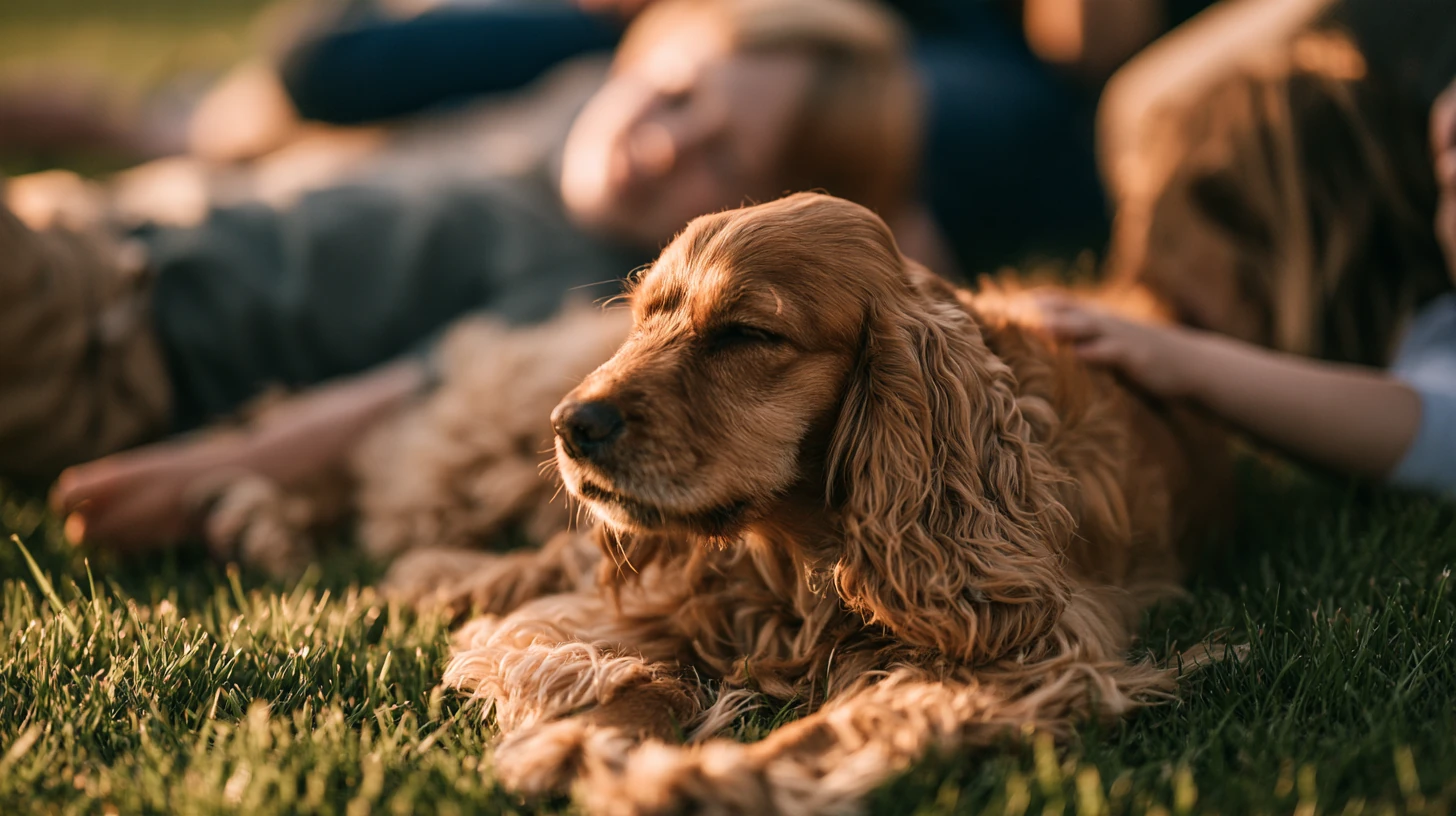
Breed dogs for pub dogs and dog-friendly lifestyle companions? Advertise here
Buyers and trainers use this page to find breeders whose lines do this work. List your kennel free, tick the industries your dogs work in, and advertise litters and stud dogs from proven working lines.
No breeders are listed here yet, so the first profiles get the page to themselves.
- Free basic profile: your breeder or company name, website, social media, location, breeds and industries.
- Litters and stud dogs advertised in their own sections, never mixed with puppies for sale.
- Premium showcase for your services and prices, previous customers, awards, video, gallery and health certificates, with your phone and email shown to buyers.
- Sponsored articles about your breed or industry, written and published by our team.
- Featured placement at the top of this page, labelled as sponsored.
Is it free to advertise here?
Yes. A breeder profile and your litter and stud dog adverts are free. Premium profiles, featured placement and sponsored articles are optional paid extras; see pricing.
Do I need a licence to advertise puppies?
In England you need a dog breeding licence from your council if you breed three or more litters in 12 months or breed and sell dogs as a business, and Wales, Scotland and Northern Ireland have their own schemes. Licensed breeders show their licence number and issuing council on every advert. Puppies must be at least eight weeks old before they go to new homes.
Is my listing already here?
We add licensed breeders from councils' public registers. Search for your kennel name; if it is listed you can claim it and edit everything.
About pub dogs and dog-friendly lifestyle companions
The best pub dog is the one lying quietly under the table while you finish your drink, unbothered by the dog at the next table, the dropped chips and the child who wants to say hello. If your idea of a good weekend involves dog friendly pubs, cafés and days out, you need a sociable, steady dog and the training to match. This page covers what makes a good pub dog, how the rules work in the UK and what to ask a breeder.
What this work involves
A dog-friendly lifestyle companion needs to:
- Settle on cue. Lie down on a mat or beside your chair for an hour or more.
- Ignore food. Leave dropped food alone and not beg from nearby tables.
- Take strangers in its stride. Accept a friendly hand, or be left alone, without jumping up or grumbling.
- Stay calm around other dogs. Pass other dogs in narrow spaces without lunging or barking.
- Cope with noise and crowds. Cheering, clinking glasses, music and busy doorways.
- Travel well. Car journeys, trains and unfamiliar places.
Well behaved dog breeds are a starting point, but manners are taught. A steady temperament from the breeder, plus plenty of calm outings as a youngster, makes the difference.
Who trains and supplies these dogs in the UK
Sociable companion dogs come from private breeders, from hobby breeders to licensed breeding businesses, and from rescues, and their owners train them. The Royal Kennel Club’s Good Citizen Dog Training Scheme, established in 1992 and described by the club as the largest dog training programme in the UK, helps owners train their dogs for everyday situations through Puppy Foundation, Bronze, Silver and Gold awards, and is promoted by more than 1,700 organisations. It is open to all dogs, pedigree or crossbreed.
Whether a pub or café admits pet dogs is up to the business. Food hygiene law requires food businesses to have procedures that keep domestic animals out of places where food is prepared, handled or stored; it does not specifically ban pet dogs from customer areas, so each operator sets its own policy. Canine Breeder lists breeders; it does not supply or train dogs.
Breeds and lines
These sociable dog breeds are common sights in dog-friendly venues:
- Labrador Retriever: friendly and food-obsessed, so the “leave it” cue needs work. Show lines are often calmer than working lines.
- Spaniel (Cocker): merry and affectionate; show-bred cockers usually settle more easily in company than working cockers.
- Staffordshire Bull Terrier: devoted to people and a classic pub dog, though some are not keen on other dogs, so early socialisation matters.
- Greyhound (retired racer): famously relaxed indoors and happy to lie on a blanket for hours.
- Cavalier King Charles Spaniel: gentle, small and sociable with everyone.
What to ask a breeder
- How do the parents behave with visitors, children and unfamiliar dogs?
- What noises, surfaces and experiences have the puppies had before leaving you?
- Are these show or working lines, and how does that affect energy and focus?
- Do any of your dogs hold Good Citizen Dog Training Scheme awards?
- Which health tests have both parents had, and how do the results compare with the Royal Kennel Club Health Standard for the breed?
Legal and welfare notes
Assistance dogs are not pets. Under the Equality Act 2010, businesses in Great Britain, including pubs, cafés and restaurants, must make reasonable adjustments for disabled people. The Equality and Human Rights Commission says it will often be reasonable to set aside a “no dogs” policy for assistance dog owners, and, citing the Chartered Institute of Environmental Health, that assistance dogs should be allowed into restaurants, cafés and other food premises. Pet dogs enter only at the business’s discretion, so respect the house rules.
The Staffordshire Bull Terrier is a Royal Kennel Club breed and is not one of the types banned under the Dangerous Dogs Act 1991, which include the Pit Bull Terrier and the XL Bully. Government guidance says whether a dog is a banned type depends on what it looks like rather than its breed or name, so when buying any bull breed, see the mother and, if possible, the father.
Frequently asked questions
What makes a good pub dog?
A sociable, steady dog that settles on a mat, ignores food and other dogs, and has had plenty of calm outings while young. Training matters as much as breed.
Are dogs allowed in pubs in the UK?
Food hygiene law requires dogs to be kept out of kitchens and food stores, but it does not ban pet dogs from customer areas, so each pub decides. Assistance dogs should be admitted.
Is a Staffordshire Bull Terrier a good pub dog?
Many are. Staffies love people and settle well, but some are wary of other dogs, so early, careful socialisation and training are important.
Breeders of sociable, steady lines that make good pub dogs and everyday companions are welcome to list on Canine Breeder.
Breeds used for pub dogs and dog-friendly lifestyle companions
More in companion and family dogs
- Companion and family dogs
- Boat and narrowboat dogs
- Dogs for first-time owners
- Dogs for older owners and retirees
- Dogs good with cats and other pets
- Family pet dogs and child-friendly breeds
- Film, TV and advertising animal actors
- Flat-friendly and small-space dogs
- Low-shedding and non-moulting coated dogs
- Poodle crosses and designer crossbreeds
- Retired and gun-shy working dog rehoming