Breed dogs for boat and narrowboat dogs? Advertise here
Buyers and trainers use this page to find breeders whose lines do this work. List your kennel free, tick the industries your dogs work in, and advertise litters and stud dogs from proven working lines.
No breeders are listed here yet, so the first profiles get the page to themselves.
- Free basic profile: your breeder or company name, website, social media, location, breeds and industries.
- Litters and stud dogs advertised in their own sections, never mixed with puppies for sale.
- Premium showcase for your services and prices, previous customers, awards, video, gallery and health certificates, with your phone and email shown to buyers.
- Sponsored articles about your breed or industry, written and published by our team.
- Featured placement at the top of this page, labelled as sponsored.
Is it free to advertise here?
Yes. A breeder profile and your litter and stud dog adverts are free. Premium profiles, featured placement and sponsored articles are optional paid extras; see pricing.
Do I need a licence to advertise puppies?
In England you need a dog breeding licence from your council if you breed three or more litters in 12 months or breed and sell dogs as a business, and Wales, Scotland and Northern Ireland have their own schemes. Licensed breeders show their licence number and issuing council on every advert. Puppies must be at least eight weeks old before they go to new homes.
Is my listing already here?
We add licensed breeders from councils' public registers. Search for your kennel name; if it is listed you can claim it and edit everything.
About boat and narrowboat dogs
Plenty of liveaboard and holiday boaters would not cruise without a dog on the roof or the back deck. The best dog for a narrowboat is compact enough to share a small cabin, light enough to lift out of the water, and steady on gangplanks, lock sides and busy towpaths. This page covers dogs on canal boats, the Canal & River Trust’s advice, and what to ask a breeder.
What this work involves
A narrowboat is only about two metres wide, and a boat dog needs to:
- Get on and off safely. Step between boat and bank, often across a gap or height difference, and manage steep cabin steps.
- Stay steady at locks. Locks are the most dangerous place for a dog, with deep water, moving gates and narrow edges.
- Share the towpath. Towpaths are shared with walkers, cyclists, anglers and wildlife.
- Settle at moorings. A liveaboard dog that barks at every passer-by soon upsets neighbours.
- Cope with temperature. Steel boats can be hot in summer and cold in winter.
Weight matters more afloat than ashore. A wet dog in the water is far harder to lift than the same dog on dry land, so make sure you can manage yours.
Who trains and supplies these dogs in the UK
No organisation breeds or trains boat dogs. Dogs for boating come from private breeders, from hobby breeders to licensed breeding businesses, and from rescues, and their owners train them for life afloat.
The Canal & River Trust, the charity that cares for canals and rivers in England and Wales, publishes the Boater’s Handbook, a basic boat handling and safety guide you can download free from its website. Its Waterway Code asks dog owners to clear up after their dogs and keep them under control, and says it is advisable for dogs to wear a personal flotation device. Its towpath advice asks owners to keep dogs on a short lead around busy spots such as locks and bridges. It also makes sense to choose a well-fitting dog lifejacket with a strong grab handle, to practise lifting your dog by it on dry land, and to use a harness as well as the collar on the towpath. Canine Breeder lists breeders; it does not supply or train dogs.
Breeds and lines
- Border Terrier: small, hardy and adaptable, with a harsh, weather-resistant coat.
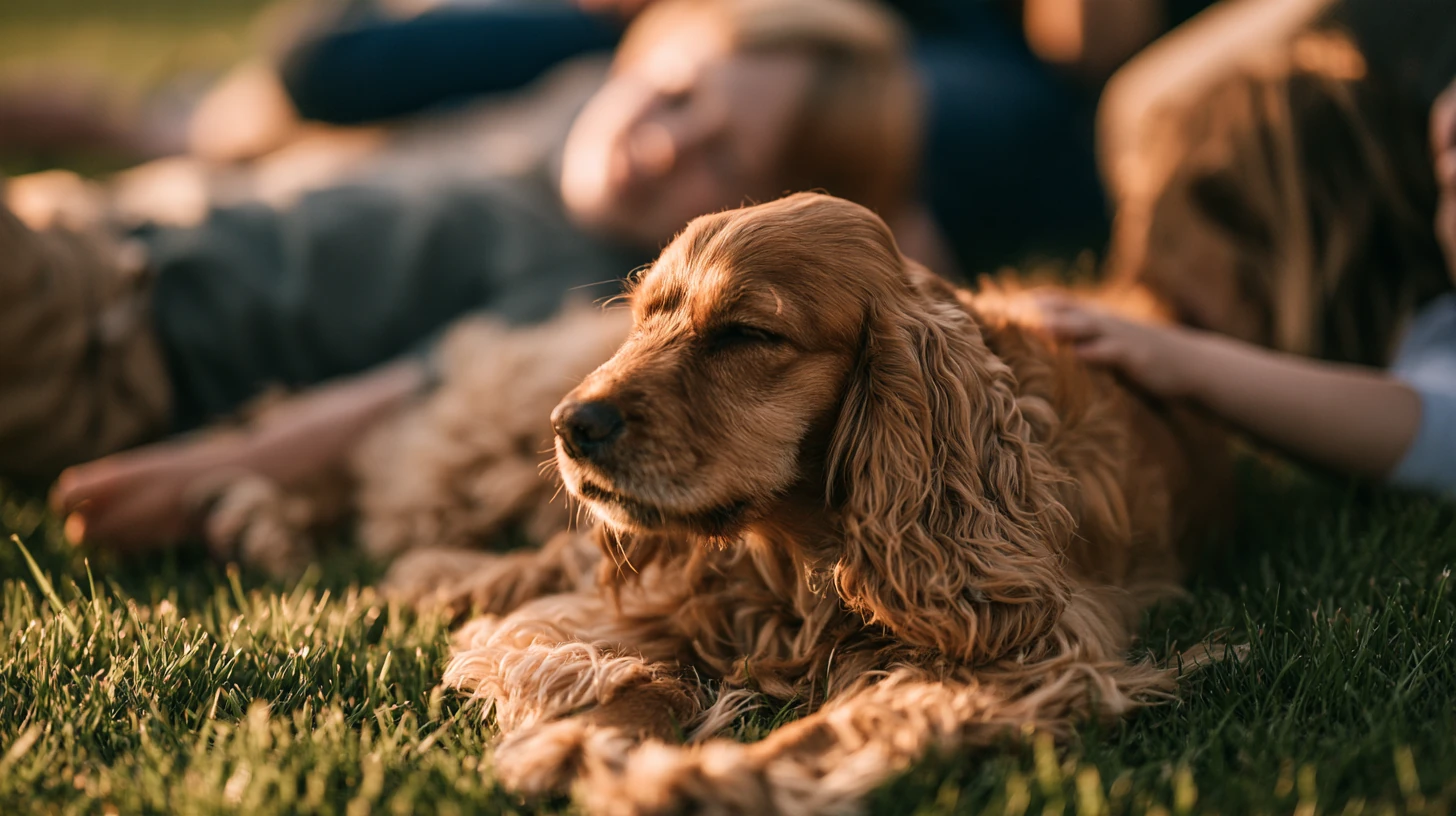
- Spaniel (Cocker): compact and cheerful. Working lines are busy and need plenty to do; show lines are often calmer.
- Labrador Retriever: steady and biddable, but heavy to lift, so best for crews confident they can manage one.
- Jack Russell Terrier: small and tough, with a strong urge to chase wildlife.
- Staffordshire Bull Terrier: compact, people-loving and easy to care for.
- Whippet: light, quiet indoors and easy to lift, but feels the cold and needs a coat in winter.
What to ask a breeder
- What will this dog weigh fully grown, and could I lift it out of the water in a lifejacket?
- How have the puppies coped with steps, slopes and unfamiliar surfaces?
- How do the parents react to cyclists, ducks and other dogs at close quarters?
- Do the parents bark much when people walk past?
- Are these working or show lines, and how much daily exercise will the dog need?
- How does the breed cope with heat and cold?
Legal and welfare notes
Boating on Canal & River Trust waters requires a licence, and the Trust asks boaters to keep dogs under control and clear up after them. Under the Control of Dogs Order 1992, a dog on a highway or in a place of public resort must wear a collar with the owner’s name and address on it or on an attached plate or badge. All dogs in the UK must also be microchipped and registered by eight weeks old, so keep your contact details up to date as you move. The Trust asks owners not to let dogs swim in its canals, for the sake of wildlife such as ducks, and its Boater’s Handbook warns that blue-green algae, which can bloom in warm weather, is known to have caused dog deaths.
Frequently asked questions
What is the best dog for a narrowboat?
Small to medium, biddable dogs that are confident on steps and calm at moorings. Border Terriers, Cocker Spaniels, Jack Russells, Staffordshire Bull Terriers and Whippets are classic boat dogs, with steady Labradors for crews who can lift them.
Do dogs need a lifejacket on a boat?
It is strongly advised. The Canal & River Trust’s Waterway Code says it is advisable for dogs to wear a personal flotation device. Choose a well-fitting one with a sturdy handle, and practise lifting your dog by it before you cruise.
Can a big dog live on a narrowboat?
Some do, but space is tight, cabin steps are steep and a large wet dog is very hard to lift out of a lock. Be honest about your own strength and the dog’s size before you commit.
Breeders whose dogs thrive as liveaboard and boating companions are welcome to list on Canine Breeder.
Breeds used for boat and narrowboat dogs
More in companion and family dogs
- Companion and family dogs
- Dogs for first-time owners
- Dogs for older owners and retirees
- Dogs good with cats and other pets
- Family pet dogs and child-friendly breeds
- Film, TV and advertising animal actors
- Flat-friendly and small-space dogs
- Low-shedding and non-moulting coated dogs
- Poodle crosses and designer crossbreeds
- Pub dogs and dog-friendly lifestyle companions
- Retired and gun-shy working dog rehoming