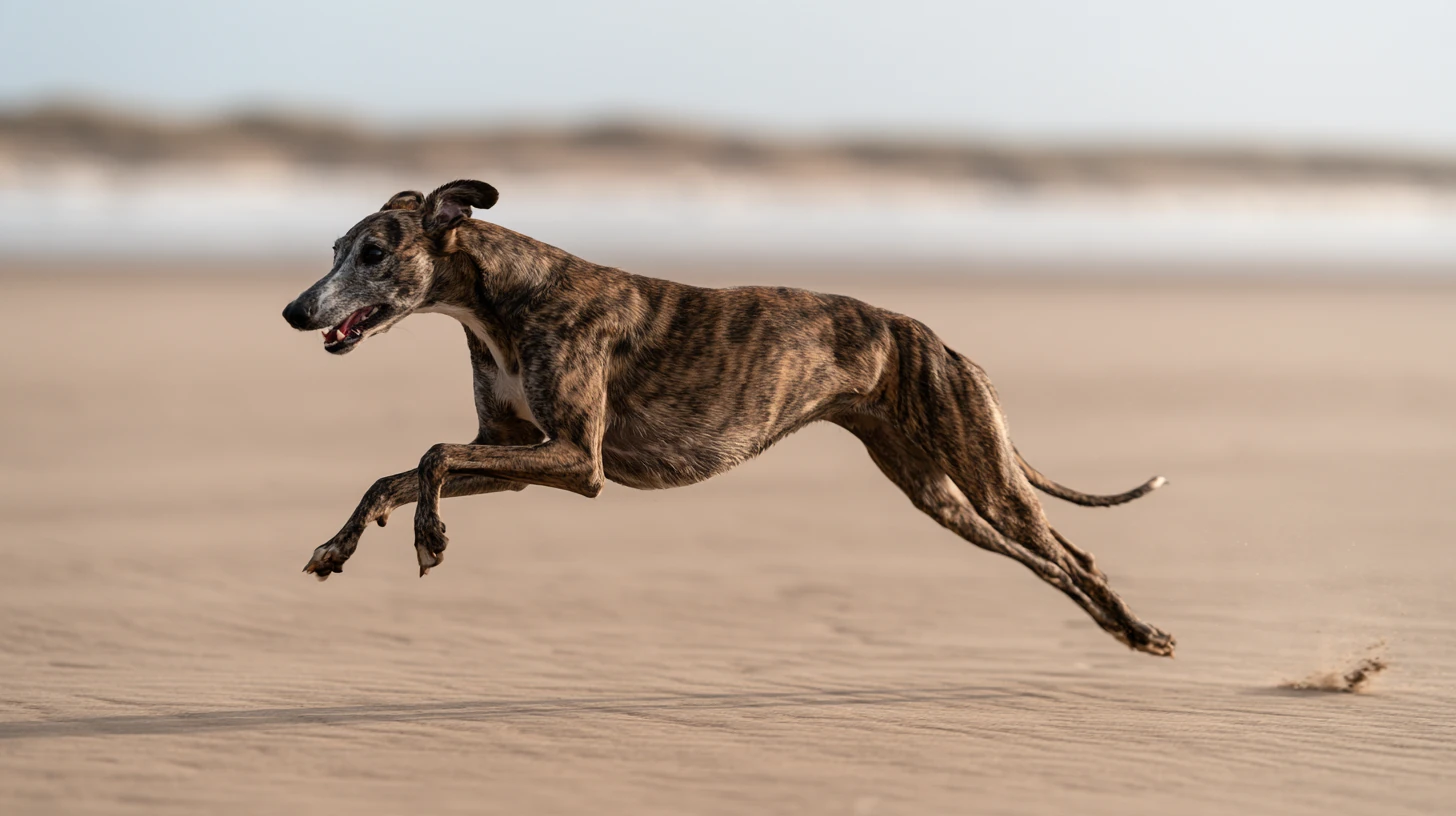
Breed dogs for racing greyhounds? Advertise here
Buyers and trainers use this page to find breeders whose lines do this work. List your kennel free, tick the industries your dogs work in, and advertise litters and stud dogs from proven working lines.
No breeders are listed here yet, so the first profiles get the page to themselves.
- Free basic profile: your breeder or company name, website, social media, location, breeds and industries.
- Litters and stud dogs advertised in their own sections, never mixed with puppies for sale.
- Premium showcase for your services and prices, previous customers, awards, video, gallery and health certificates, with your phone and email shown to buyers.
- Sponsored articles about your breed or industry, written and published by our team.
- Featured placement at the top of this page, labelled as sponsored.
Is it free to advertise here?
Yes. A breeder profile and your litter and stud dog adverts are free. Premium profiles, featured placement and sponsored articles are optional paid extras; see pricing.
Do I need a licence to advertise puppies?
In England you need a dog breeding licence from your council if you breed three or more litters in 12 months or breed and sell dogs as a business, and Wales, Scotland and Northern Ireland have their own schemes. Licensed breeders show their licence number and issuing council on every advert. Puppies must be at least eight weeks old before they go to new homes.
Is my listing already here?
We add licensed breeders from councils' public registers. Search for your kennel name; if it is listed you can claim it and edit everything.
About racing greyhounds
Licensed greyhound racing in Great Britain is a regulated, commercial sport, and its legal position changed in 2026. This page explains how a racing greyhound is bred, who trains it, how owners buy into the sport and what the new Welsh and Scottish laws mean. Canine Breeder is an independent directory: we do not sell greyhounds, train them or place dogs with trainers.
What this work involves
A racing greyhound chases a mechanical lure around an oval track. In Great Britain, licensed racing is regulated by the Greyhound Board of Great Britain (GBGB), which oversees 16 stadiums under its Rules of Racing, and every dog must be registered with GBGB before it can race on them. Young dogs run trials so the racing manager can assess and grade them.
Most racing greyhounds live at their trainer’s residential kennels, and owners visit them there. When a dog retires, GBGB’s rules require the owner, or the trainer on the owner’s behalf, to report the retirement to GBGB through the racing manager at a licensed track.
Who trains and supplies these dogs in the UK
Racing greyhounds are bred by private breeders in Ireland and Britain and sold to owners and trainers as pups, young dogs or established racers. British-bred litters are registered in the Greyhound Stud Book, which is administered by the National Coursing Club and was established in 1882. GBGB will only register a greyhound for racing if it is already named in the British or Irish Greyhound Stud Book, or another stud book GBGB approves, and an adult racing greyhound must be microchipped before GBGB registration.
GBGB licenses trainers. Its advice to new owners is to choose a GBGB licensed trainer attached to a local track, visiting kennels and talking to more than one trainer before deciding. You can own alone, in a partnership of up to four, or in a syndicate. Every trainer needs a GBGB licence, including an owner who wants to train their own dog: a Greyhound Trainer licence covers up to 12 greyhounds, while a Professional Trainer can train up to the capacity of their kennels, which must meet GBGB’s minimum standards.
Retirement is funded through GBGB’s Greyhound Retirement Scheme, launched in September 2020. Owners pay £210 when registering a greyhound, GBGB matches it, and the £420 bond goes to a GRS-approved homing centre when the dog arrives there. The Greyhound Trust, a national charity formed in 1975, rehomes retired racers and says it has found more than 100,000 homes for greyhounds.
Breeds and lines
Only one breed races on licensed tracks: the Greyhound. In practice, racing and show greyhounds are separate populations. Racing lines are recorded in the greyhound stud books and judged on the racing records of the sire and dam; show greyhounds are registered with The Royal Kennel Club and bred to the breed standard. Greyhound racing puppies come from racing-bred litters.
What to ask a breeder
- Is the litter registered with the Greyhound Stud Book or the Irish Greyhound Stud Book, and have the pups been earmarked and microchipped?
- What are the racing records of the sire and dam, and where did they race?
- Do you sell pups direct to owners, or only through GBGB licensed trainers?
- How are the pups reared and socialised, and what vaccinations and worming have they had?
- What happens to a young dog that is not fast enough to race, and will you help rehome it?
Legal and welfare notes
- England. The Welfare of Racing Greyhounds Regulations 2010, which apply in England, require a track to hold a local authority licence unless it is regulated by a body accredited by the United Kingdom Accreditation Service. GBGB is accredited by UKAS, so its tracks are regulated through GBGB, while independent tracks are licensed by councils.
- Wales. The Prohibition of Greyhound Racing (Wales) Act 2026 received Royal Assent on 27 April 2026. It makes it an offence to use, or knowingly permit the use of, a stadium or similar venue in Wales for greyhound racing, or to be involved in organising greyhound racing in Wales. The Welsh Ministers must bring the ban into force no earlier than 1 April 2027 and no later than 1 April 2030.
- Scotland. The Scottish Parliament passed the Greyhound Racing (Offences) (Scotland) Bill on 18 March 2026, and it received Royal Assent on 14 May 2026. The Act creates offences of knowingly causing or permitting a greyhound to run on an oval greyhound track, and of operating a track where this happens, from a date Scottish Ministers will set by regulations.
- Welfare law. The Animal Welfare Act 2006 (England and Wales) and the Animal Health and Welfare (Scotland) Act 2006 place a duty of care on whoever is responsible for a greyhound, racing or retired.
Frequently asked questions
How do I buy a racing greyhound?
GBGB advises choosing a licensed trainer at your nearest track first. It puts purchase prices at between £1,000 and £50,000, plus ongoing costs for training, food and board. Before your greyhound can race it must be registered with GBGB, and you pay the £210 retirement contribution at registration.
What does a GBGB licensed trainer do?
A licensed greyhound trainer kennels, trains and races greyhounds for owners at GBGB tracks. Each track keeps a list of its licensed trainers, on its website or through its racing office.
Is greyhound racing being banned in the UK?
Not everywhere. Wales and Scotland have passed laws to end racing on tracks, with the Welsh ban due by 1 April 2030 at the latest and the Scottish start date still to be set. Licensed racing continues in England.
If you breed greyhounds whose dogs race on licensed tracks, list your kennel on Canine Breeder and describe your lines and their racing background.