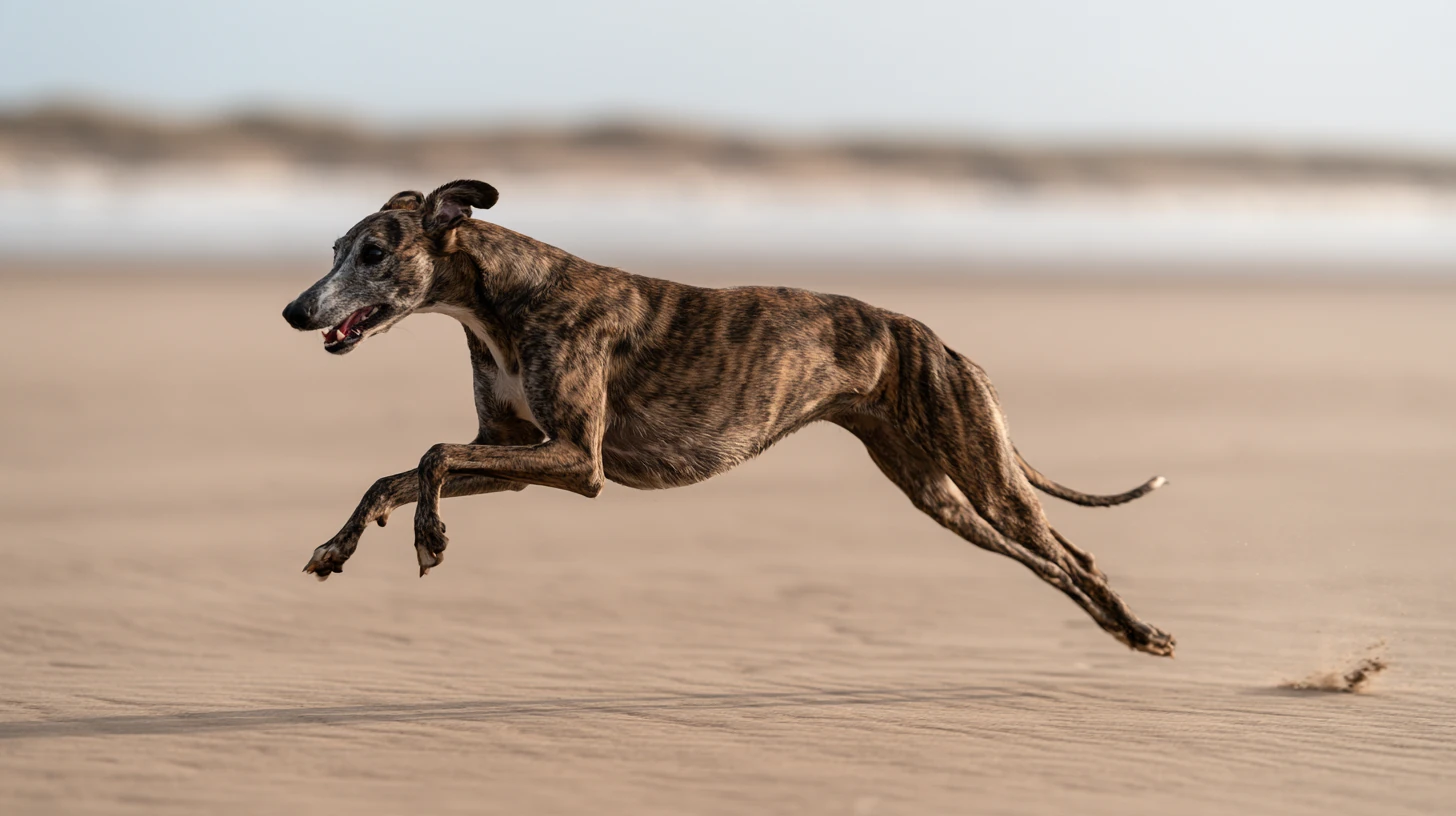
Breeders whose dogs work in racing and coursing breeds
- P & D Breeding & Racing Stud LimitedSandwell, West Midlands
- May Pigeons Racing & Breeding Centre LimitedSt Albans, Hertfordshire
- Kendarctic Siberian Huskies LimitedRother, East SussexSiberian Husky
- Beddy-Whippet LtdCeredigionWhippet
About racing and coursing breeds
Britain has two racing worlds. One is amateur whippet racing on Sunday afternoons, run by clubs for the love of it. The other is licensed greyhound racing, a commercial betting industry regulated by the Greyhound Board of Great Britain (GBGB) and now being legislated out of existence in Wales and Scotland. Canine Breeder takes no position in the greyhound debate; this hub sets out the facts so that buyers and breeders of sighthounds know the landscape.
What this discipline is
Sighthounds (Whippets, Greyhounds, Lurchers, Salukis, Afghan Hounds and others) hunt by sight and speed. Their sports in Britain are straight-track racing, oval-track racing and lure coursing, in which one or two dogs chase a plastic lure dragged round a course by machine. Coursing live hares has been illegal in England and Wales since the Hunting Act 2004, and in Scotland under its own legislation, so an advertised “coursing dog” should be understood as a lure-coursing or racing dog.
Who trains or supplies these dogs in the UK
Whippet racing splits by registration. The Whippet Club Racing Association (WCRA) administers racing for Royal Kennel Club-registered pedigree Whippets on behalf of The Whippet Club, founded in 1899; dogs are issued a WCRA passport at twelve months and must not exceed 21 inches at the shoulder. The British Whippet Racing Association (BWRA), formed in Halifax in 1967, races non-pedigree whippets (dogs with whippet in their make-up, often with bull terrier or greyhound ancestry) with a 32 lb weight limit for handicap racing; the National Pedigree Whippet Racing Association (NPWRA) followed in 2009. Club racing is open to all standards, with progression to open and championship racing and the title of Racing Champion. Owners train their own dogs; breeders of racing whippets are almost all racers themselves.
Licensed greyhound racing is regulated by GBGB, which licenses trainers, kennels and the licensed stadiums in England and Wales and, from 1 January 2026, applies new rules on licensing information, retirement and injury policies. Around 84.5 per cent of greyhounds registered to race on GBGB tracks in 2024 were bred in Ireland, so British breeding of racing greyhounds is a small activity. In its most recent annual figures GBGB reports 5,186 greyhounds retiring, 3,532 of them going straight to a homing centre, and its Greyhound Retirement Scheme attaches a £420 bond to each dog to fund rehoming.
The law is changing. The Prohibition of Greyhound Racing (Wales) Act 2026 became law on 27 April 2026, phasing the ban in between 1 April 2027 and 1 April 2030; GBGB has challenged it by judicial review. On 18 March 2026 MSPs backed a Scottish bill to end oval-track racing, which would close the last Scottish track at Thornton in Fife. Anyone breeding greyhounds for racing should follow both.
Breeds and lines
Pedigree Whippets bred for racing carry WCRA racing records in their pedigrees rather than show titles, and the best racing kennels can be traced through the WCRA results. Non-pedigree racing whippets have their own breeding databases outside the RKC. Racing greyhounds are registered in the Greyhound Stud Book, not with the RKC, and the show Greyhound is a separate population. Lurchers and longdogs are crossbreeds, mostly sighthound x collie or sighthound x sighthound, with no registry.
Health in sighthounds centres on hearts and eyes: heart screening under the Whippet Breed Council’s scheme, and any tests listed for the breed in the RKC Health Standard. Racing dogs also need sound feet and shoulders, so a breeder should be able to talk about injuries in the line.
What a buyer should ask a breeder
- Do you race, and with which association: WCRA, BWRA, NPWRA or GBGB?
- What racing record do the parents have, and can I check it?
- What health testing have the parents had?
- What happens to your dogs when they stop racing, and can I see retired dogs?
- Are you licensed by your council if your breeding requires it?
A racing whippet puppy is a pet first; racing comes later, if the dog wants to. For greyhounds, ask whether the breeder is GBGB-licensed and how they meet the retirement rules. Canine Breeder lists breeders, not racing, and takes no side in the debate.
What breeders can list here
Breeders may list their breed, racing association, the racing records in their lines, health results and their rehoming arrangements. They may not describe puppies as racing dogs, trained or certified, and Canine Breeder does not supply or vet racing dogs. This site is independent of the WCRA, BWRA, NPWRA, GBGB and every breed club.
If you breed Whippets, Greyhounds or other sighthounds for racing, lure coursing or the show ring, list your kennel in this discipline.
Breeds used for racing and coursing breeds
- German Shorthaired Pointer breeders
- Siberian Husky breeders
- Border Collie breeders
- Hungarian Vizsla breeders
- Labrador Retriever breeders
- Whippet breeders
- Saluki breeders
- Afghan Hound breeders
- Greyhound breeders
- Deerhound breeders
- Borzoi breeders
- Ibizan Hound breeders
- Alaskan Malamute breeders
- Samoyed breeders
- Greenland Dog breeders
- Canadian Eskimo Dog breeders