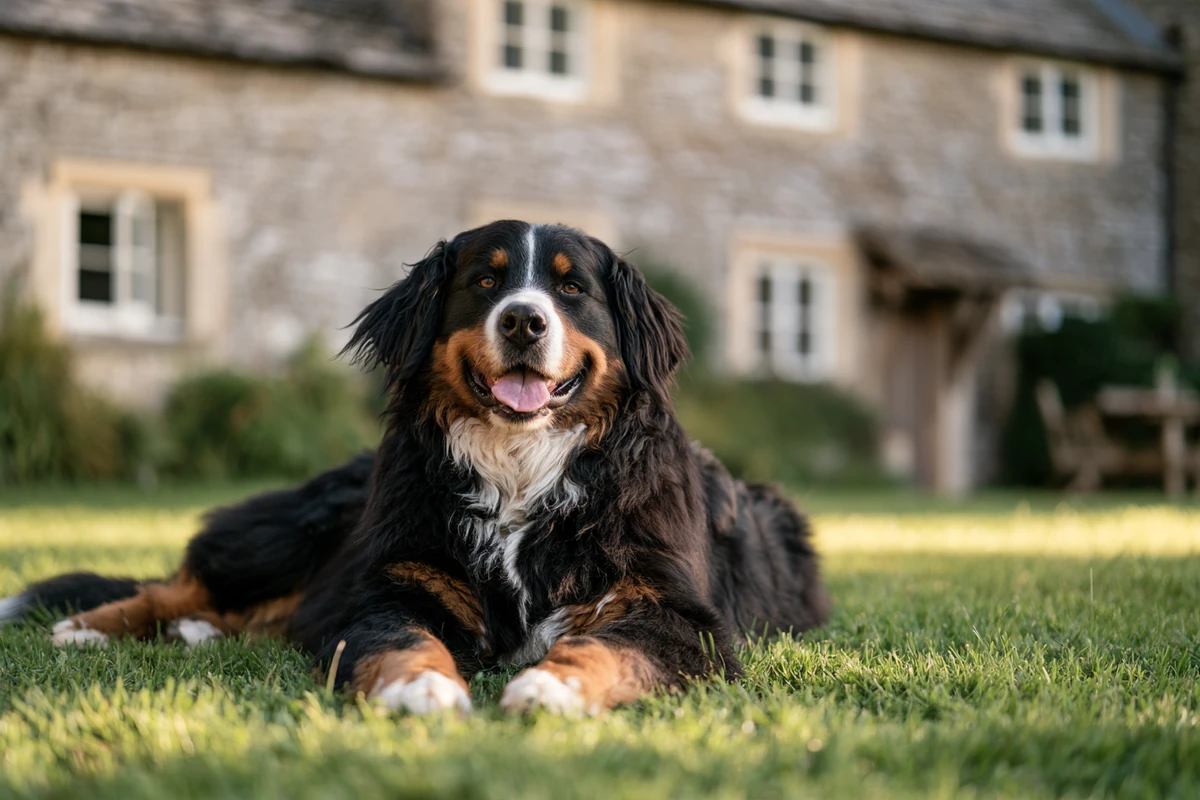
Advertise your Canadian Eskimo Dog puppies, litters and stud dogs
Do you breed Canadian Eskimo Dogs? List your kennel on caninebreeder.co.uk so people searching for Canadian Eskimo Dog puppies for sale, or for a Canadian Eskimo Dog stud dog in the UK, can find you. You can advertise Canadian Eskimo Dog puppies for sale, take enquiries for your waiting list, offer stud dogs and show your hip, eye and DM results. A basic listing shows your kennel name, location, website, social media and categories, and paid plans unlock more showcase features. Add your listing or see pricing.
No breeders are listed here yet, so the first profiles get the page to themselves.
- Free basic profile: your breeder or company name, website, social media, location, breeds and industries.
- Litters and stud dogs advertised in their own sections, never mixed with puppies for sale.
- Premium showcase for your services and prices, previous customers, awards, video, gallery and health certificates, with your phone and email shown to buyers.
- Sponsored articles about your breed or industry, written and published by our team.
- Featured placement at the top of this page, labelled as sponsored.
Is it free to advertise here?
Yes. A breeder profile and your litter and stud dog adverts are free. Premium profiles, featured placement and sponsored articles are optional paid extras; see pricing.
Do I need a licence to advertise puppies?
In England you need a dog breeding licence from your council if you breed three or more litters in 12 months or breed and sell dogs as a business, and Wales, Scotland and Northern Ireland have their own schemes. Licensed breeders show their licence number and issuing council on every advert. Puppies must be at least eight weeks old before they go to new homes.
Is my listing already here?
We add licensed breeders from councils' public registers. Search for your kennel name; if it is listed you can claim it and edit everything.
About the Canadian Eskimo Dog
The Canadian Eskimo Dog, also known as the Canadian Inuit Dog or Qimmiq, is the traditional sled dog of the Canadian Arctic, bred, as the Royal Kennel Club puts it, for endurance over long distances rather than speed. The Canadian Eskimo Dog Club of Great Britain says dogs of this type have lived in the Arctic for at least 4,000 years, and its breed profile describes them hauling for the Inuit, finding seal breathing holes and holding musk ox and polar bears at bay. The RKC links the breed's decline to faster Siberian Huskies brought in for sled racing and then, from the 1960s, snowmobiles; the Canadian Kennel Club and others stepped in, and the club credits a research foundation established in 1972 with rebuilding numbers. In 2000 Nunavut adopted the dog as its animal symbol. UK dogs descend from Canadian imports that began in the late 1990s, and the RKC says numbers remain small. The breed is in the Working group. Browse other Working breeders, compare the Greenland Dog and Alaskan Malamute, or read about sled dogs and dry-land mushing.
Size and build. The RKC calls it medium-sized, but the breed standard describes a powerful polar spitz: dogs 58–70 cm and 30–40 kg, bitches 50–60 cm and 18–30 kg. Bitches also have a much narrower skull. The large, bushy tail is normally carried up or over the back on the move.
Coat and grooming. A thick, dense undercoat sits under hard guard hairs 8–15 cm long, and males carry a mane over the neck and shoulders. All colours are accepted except merle. The RKC suggests grooming once a week; the club says the heavy shed, once a year or more depending on climate, needs daily grooming.
Exercise. The RKC suggests more than two hours a day, a country home, a large house and a large garden. The club recommends at least two long walks a day plus harness sports such as dry-land mushing, canicross, bikejoring and weight pull.
Temperament and suitability. The standard describes a tough working dog that becomes affectionate when mature, is pack-orientated, reacts very quickly to its surroundings and will hunt if given the chance. The club notes that some dogs have a prey drive and that the breed tends to howl rather than bark. This is a demanding breed for experienced, active owners. The RKC gives a lifespan of over 10 years.
Canadian Eskimo Dog health tests
The Royal Kennel Club's health guidance for the Canadian Eskimo Dog lists prioritising genetic diversity as good practice and hip scoring under the BVA/KC Hip Dysplasia Scheme as best practice. There is no breed-specific DNA test package, although individual DNA tests are available. The breed is in Breed Watch Category 1, meaning no breed-specific points of concern have been flagged for show judges.
The Canadian Eskimo Dog Club of Great Britain sets a higher bar for its members. Since 2018 its code of ethics has required hip scoring, eye testing and a DNA test for degenerative myelopathy (DM) before breeding, with a long coat gene test advised. The club says the breed has not shown serious signs of genetic disease so far. Its health page covers cryptorchidism, inherited cataracts, for which it calls yearly eye tests of breeding stock essential, and DM, for which carriers have been found and only clear or carrier dogs should be bred from. It also lists less common problems including bloat, detached retina, Addison's disease, allergies, fertility problems and cancer, and runs a breed health survey. Health tests reduce risk but are not a guarantee. You can look up recorded results on the RKC Health Test Results Finder.
- BVA/KC Hip Dysplasia Scheme (RKC best practice; required by the club's code of ethics)
- Genetic diversity: check the mating with the RKC inbreeding coefficient calculator (RKC good practice)
- BVA/KC/ISDS Eye Scheme (required by the club's code of ethics)
- DNA test: degenerative myelopathy (DM) (required by the club's code of ethics)
- DNA test: long coat (advised by the club)
- DNA test package: none listed by the RKC
- Breed Watch: Category 1
Choosing a Canadian Eskimo Dog breeder
The Canadian Eskimo Dog is rare in the UK and litters are few. The club's puppy page says waiting lists are often long and that its secretary can add buyers to the list and put them in touch with recommended breeders. A responsible breeder will show you hip scores, current eye certificates and DM results for both parents, which you can check on the RKC Health Test Results Finder, and will weigh temperament, type and soundness alongside test results. Expect to be asked about your experience, your garden, your time and how you plan to exercise the dog, because this is a strong, high-energy sled dog that needs a job to do. See the puppies with their mother, collect no earlier than eight weeks, and expect registration papers, a diet sheet and worming and vaccination records. In England, anyone who breeds three or more litters in 12 months and sells any of the puppies, or runs a business breeding and advertising dogs, needs a council licence and must show its number in adverts. Read our buyer safety guide before paying a deposit.
- Can I see hip scores, current eye certificates and DM results for both parents?
- Have the parents been tested for the long coat gene?
- What is the coefficient of inbreeding for this litter, and how does it compare with the breed average?
- Are the parents worked in harness, shown or kept as companions, and can I meet them?
- Have cryptorchidism, cataracts or bloat appeared in your lines?
Canadian Eskimo Dog questions
Is the Canadian Eskimo Dog the same as a Greenland Dog or Siberian Husky?
No. They are separate breeds. The Canadian Eskimo Dog Club of Great Britain says the first UK imports were shown alongside the Greenland Dog, with both called Eskimo Dogs, before they were split into two breeds with their own classes. The Canadian Eskimo Dog is a freighting sled dog built for hauling rather than speed, and the RKC notes that the arrival of faster Siberian Huskies for sled racing contributed to its decline.
How much exercise does a Canadian Eskimo Dog need?
The Royal Kennel Club suggests more than two hours a day and a country home with a large garden. The breed club recommends at least two long walks a day plus mental stimulation and dog sports such as dry-land mushing, canicross, bikejoring or weight pull.
What health tests should Canadian Eskimo Dog parents have?
The RKC lists hip scoring under the BVA/KC scheme as best practice and asks breeders to prioritise genetic diversity. The Canadian Eskimo Dog Club of Great Britain requires its members to hip score, eye test and DNA test for degenerative myelopathy before breeding, and advises a long coat test. The breed is in Breed Watch Category 1.
Is a Canadian Eskimo Dog suitable for a first-time owner?
It is a demanding choice for a first dog. The breed standard describes a tough, pack-orientated working dog that reacts very quickly to its surroundings and will hunt given the chance, and the RKC suggests more than two hours of exercise a day. It is best suited to experienced owners with time for long daily exercise and ideally an interest in sled dog sports.
More for Canadian Eskimo Dog owners and breeders
- Canadian Eskimo Dog: breeders
- Canadian Eskimo Dog: puppies for sale
- Canadian Eskimo Dog: stud dogs
- All Working group breeds
- Sled dogs and dryland mushing
Official sources
- Canadian Eskimo Dog breed information u2013 The Royal Kennel Club
- Canadian Eskimo Dog breed standard u2013 The Royal Kennel Club
- Canadian Eskimo Dog Club of Great Britain
- Canadian Eskimo Dog Club of Great Britain u2013 About the breed
- Canadian Eskimo Dog Club of Great Britain u2013 History to present day
- Canadian Eskimo Dog Club of Great Britain u2013 Health
- Canadian Eskimo Dog Club of Great Britain u2013 Breed health survey
- Canadian Eskimo Dog Club of Great Britain u2013 Puppies
- Canadian Eskimo Dog Club of Great Britain u2013 Working section
- BVA/KC Hip Dysplasia Scheme u2013 British Veterinary Association
- BVA/KC/ISDS Eye Scheme u2013 British Veterinary Association
- Health Test Results Finder u2013 The Royal Kennel Club
- Inbreeding coefficient calculators u2013 The Royal Kennel Club
- Dog breeding licence (England) u2013 GOV.UK