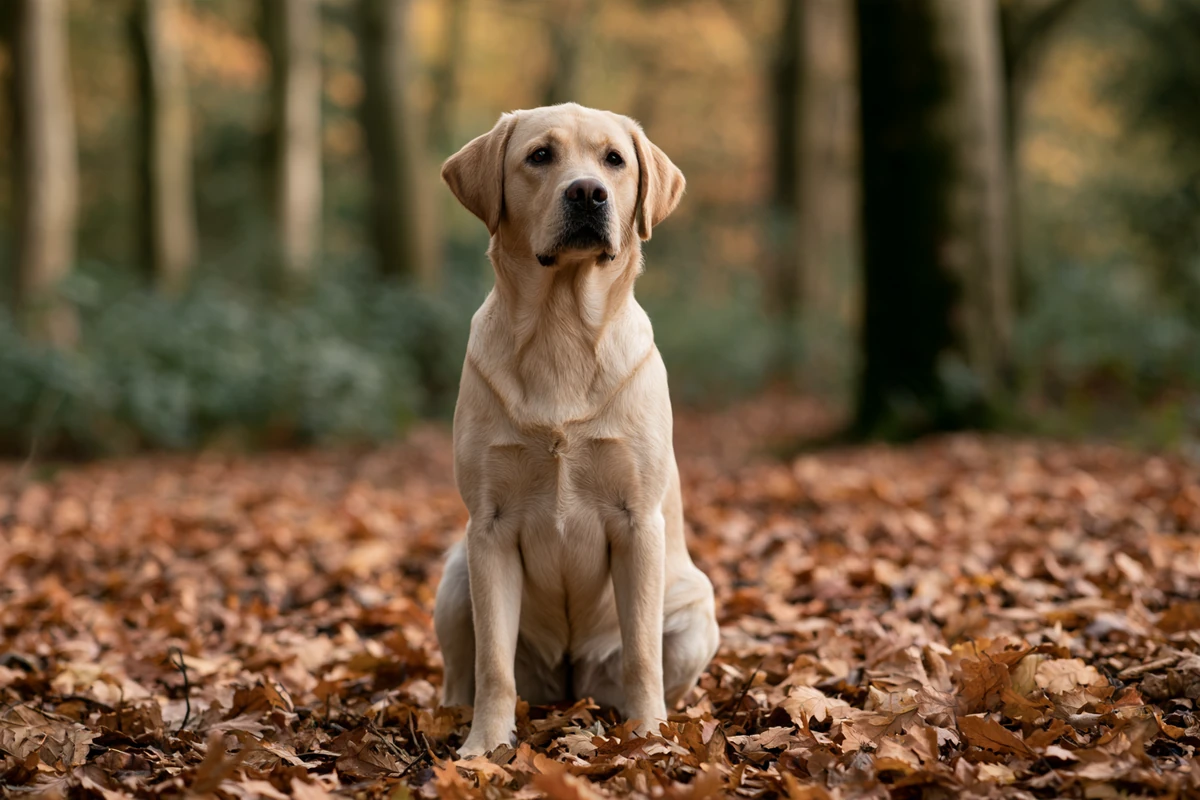

About the Hungarian Vizsla
The Hungarian Vizsla is a russet gold gundog from Hungary, bred to hunt fur and feather and to point and retrieve on land and from water. It sits in The Royal Kennel Club's (RKC) Gundog group, and the RKC notes evidence of Vizslas working with falconers on the central Hungarian plains as early as the 14th century. By the late 19th century numbers had fallen and some of the remaining dogs were mated to other pointing breeds. Many more were lost in the two World Wars, and the breed was rebuilt from dogs that Hungarian refugees took abroad.
Size and build. The RKC lists the Vizsla as a large breed, although the breed standard asks for a medium-sized, robust dog of medium bone. Dogs stand 57 to 64 cm at the withers and bitches 53 to 60 cm, and the standard gives a weight range of 20 to 30 kg.
Coat and grooming. The coat is short and dense, lies straight and smooth, and has a glossy, slightly greasy feel that suited work in the heat of the plains. The only accepted colour is russet gold, with small white marks on the chest and feet permitted. The RKC suggests grooming once a week and says the breed sheds; the Hungarian Vizsla Club recommends a velvet grooming glove, regular nail clipping and gentle ear cleaning.
Exercise. The RKC advises more than two hours of exercise a day and a large house with a large garden, in town or country. The Hungarian Vizsla Society says owners must be able to run their dog at least twice a day for 30 to 45 minutes at a time.
Temperament. The standard describes a lively, gentle-mannered and openly affectionate dog that is intelligent, sensitive and easy to train, as well as fearless and protective. The Society says Vizslas need a great deal of company and fret when left on their own for long spells, and it recommends patient, consistent training, warning that heavy-handed methods can make them nervous or overexcited. Its working background suits owners interested in HPR field trials or gundog working tests. The RKC gives a typical lifespan of over 12 years.
The UK has two breed clubs: the Hungarian Vizsla Club, founded in 1968, and the Hungarian Vizsla Society, registered with the Kennel Club in 1972. For the wire-coated relative, see our Hungarian Wirehaired Vizsla guide.
Hungarian Vizsla health tests
The RKC's health guidance lists three Good Practice schemes for the breed, the tests it strongly recommends breeders carry out as a minimum before breeding: hip scoring, elbow grading and an eye examination that includes gonioscopy. The BVA hip scheme scores X-rays of dogs aged one year or over from 0 to 106 (lower is better), and the RKC advises choosing breeding stock scored around or below the breed median. The BVA elbow scheme grades each dog from 0 to 3. Under the eye scheme, gonioscopy checks the eye's drainage angle; since January 2026 it has been graded 1 to 3, and grade 3 dogs are considered at risk of glaucoma. The RKC advises an eye examination within the 12 months before a mating. It offers no breed-specific DNA package, and there are no extra breed-specific breeding restrictions.
Both breed clubs, the Hungarian Vizsla Club and the Hungarian Vizsla Society, point to the Kennel Club's 2021 Breed Health and Conservation Plan, which named cancers (especially haemangiosarcoma and lymphoma), epilepsy, immune-mediated disease, Vizsla inflammatory polymyopathy, hip dysplasia and glaucoma as priorities. The RKC lists no screening for the first four of these, so ask about family history. The breed is in Breed Watch Category 1: no breed-specific points of concern have been flagged for show judges.
- BVA/KC Hip Dysplasia Scheme (RKC Good Practice)
- BVA/KC Elbow Dysplasia Scheme (RKC Good Practice)
- BVA/KC/ISDS Eye Scheme, including gonioscopy for PLA (RKC Good Practice)
- DNA tests: no RKC breed-specific package; individual tests are available
- Breed Watch: Category 1
Choosing a Hungarian Vizsla breeder
A careful Vizsla breeder will have both parents hip scored, elbow graded and eye tested with gonioscopy before the mating, and will be happy for you to check the results on the RKC Health Test Results Finder. The Hungarian Vizsla Society's code of conduct asks members not to mate a bitch before her second birthday, to breed no more than three litters from her and no more than one in any 12 months, and not to let puppies leave before eight weeks. Expect the puppy to be microchipped, which GOV.UK says must be done by eight weeks, and to come with RKC registration papers and a contract of sale; the Hungarian Vizsla Club's buying advice also looks for a promise to take the dog back if your circumstances change. A good breeder will ask about your working hours, exercise plans and family life, and the Society suggests visiting the mother and litter at least twice. In England, a council breeding licence is needed by anyone breeding three or more litters in any 12 months and selling puppies, or running a business that breeds and advertises dogs. Our buyer safety guide covers deposits and scams.
- Can I see the hip scores, elbow grades and latest eye and gonioscopy results for both parents?
- How old is the mother, and how many litters has she had?
- What is the inbreeding coefficient for this mating, and how does it compare with the breed average?
- Have epilepsy, cancer or immune-mediated disease appeared in the parents' close relatives?
- Will you take the dog back at any age if I cannot keep it?
Hungarian Vizsla questions
How much exercise does a Hungarian Vizsla need?
The Royal Kennel Club suggests more than two hours a day for an adult and recommends a large house with a large garden. The Hungarian Vizsla Society says owners must be able to run their dog at least twice a day for 30 to 45 minutes each time.
Can a Hungarian Vizsla be left alone during the day?
The Hungarian Vizsla Society says the breed needs a great deal of human company and frets when left on its own for long spells. Vizslas are better suited to homes where someone is around for much of the day, and a good breeder will ask about your routine before offering you a puppy.
What health tests should a Vizsla puppy's parents have?
The RKC's Good Practice tests for the breed are the BVA/KC Hip Dysplasia Scheme, the BVA/KC Elbow Dysplasia Scheme and the BVA/KC/ISDS Eye Scheme including gonioscopy. You can check a registered dog's results on the RKC Health Test Results Finder. There is no RKC breed-specific DNA package for the Vizsla.
What is the difference between a Hungarian Vizsla and a Hungarian Wirehaired Vizsla?
They are separate breeds with their own breed standards. The RKC says the wirehaired breed was developed from the Vizsla with German Wirehaired Pointer blood, starting with a cross made in 1904. It has a harsh wire coat with a beard, is slightly larger and stronger in bone, and the RKC lists a DNA test for hyperuricosuria (HUU) as Good Practice for that breed.
More for Hungarian Vizsla owners and breeders
- Hungarian Vizsla: breeders
- Hungarian Vizsla: puppies for sale
- Hungarian Vizsla: stud dogs
- All Gundog group breeds
- Canicross
- Field trial hunt, point and retrieve breeds
- Gundog working tests
- Peg dogs for standing guns
- Professional gundog trainers and residential training
- Rough shooting and walked-up dogs
- Working-bred gundog puppies and field trial lines
Official sources
- Hungarian Vizsla breed information - The Royal Kennel Club
- Hungarian Vizsla breed standard - The Royal Kennel Club
- Breed Watch Category 1 - The Royal Kennel Club
- BVA/KC Hip Dysplasia Screening Scheme - The Royal Kennel Club
- BVA/KC Elbow Dysplasia Screening Scheme - The Royal Kennel Club
- BVA/KC/ISDS Eye Screening Scheme - The Royal Kennel Club
- BVA Hip Dysplasia Scheme for dogs - BVA
- BVA Elbow Dysplasia Scheme for dogs - BVA
- Eye scheme - BVA Canine Health Schemes
- The Hungarian Vizsla Club
- Hungarian Vizsla Club - Health overview
- Hungarian Vizsla Club - Buying a puppy
- Hungarian Vizsla Club - Care
- The Hungarian Vizsla Society
- Hungarian Vizsla Society - Health information
- Hungarian Vizsla Society - Buyers guide
- Hungarian Vizsla Society - Code of conduct
- Health Test Results Finder - The Royal Kennel Club
- Inbreeding Coefficient (COI) lookup - The Royal Kennel Club
- Inbreeding calculators (COIs) - The Royal Kennel Club
- Dog breeding licence (England) - GOV.UK
- Get your dog or cat microchipped - GOV.UK