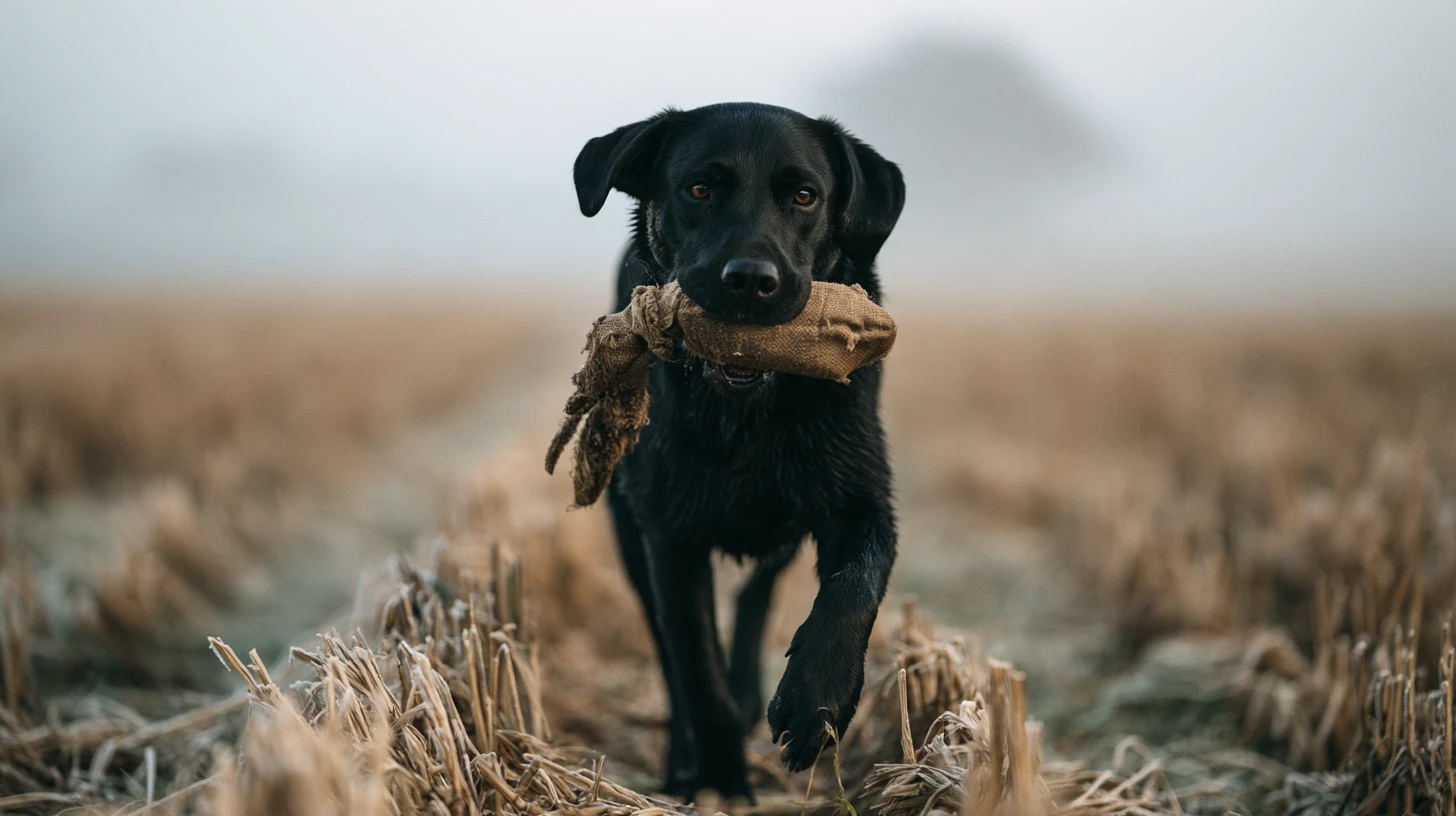
Breed dogs for peg dogs for standing guns? Advertise here
Buyers and trainers use this page to find breeders whose lines do this work. List your kennel free, tick the industries your dogs work in, and advertise litters and stud dogs from proven working lines.
No breeders are listed here yet, so the first profiles get the page to themselves.
- Free basic profile: your breeder or company name, website, social media, location, breeds and industries.
- Litters and stud dogs advertised in their own sections, never mixed with puppies for sale.
- Premium showcase for your services and prices, previous customers, awards, video, gallery and health certificates, with your phone and email shown to buyers.
- Sponsored articles about your breed or industry, written and published by our team.
- Featured placement at the top of this page, labelled as sponsored.
Is it free to advertise here?
Yes. A breeder profile and your litter and stud dog adverts are free. Premium profiles, featured placement and sponsored articles are optional paid extras; see pricing.
Do I need a licence to advertise puppies?
In England you need a dog breeding licence from your council if you breed three or more litters in 12 months or breed and sell dogs as a business, and Wales, Scotland and Northern Ireland have their own schemes. Licensed breeders show their licence number and issuing council on every advert. Puppies must be at least eight weeks old before they go to new homes.
Is my listing already here?
We add licensed breeders from councils' public registers. Search for your kennel name; if it is listed you can claim it and edit everything.
About peg dogs for standing guns
A peg dog sits beside its owner at the peg through a whole drive, watching birds fall and waiting to be sent. It sounds simple, yet it is one of the hardest jobs asked of a gundog, because the dog must stay still and silent while shots are fired and birds drop all around it. This page explains what makes a good dog for the peg, which breeds and lines suit it, and what to ask a breeder.
What this work involves
A peg dog’s first duty is steadiness. It should sit quietly, without whining, pulling or creeping forward, through every shot of the drive, and never run in. Meanwhile it should mark where birds fall, so that when the drive ends and guns are safe it can be sent to retrieve them cleanly to hand with a soft mouth. Each shoot sets its own rules on whether guns’ dogs may be sent during a drive; BASC’s picking-up code of practice says wounded birds take priority, and that if one must be retrieved during a drive, only an experienced dog should be sent, and only when it is safe.
A peg dog also has to fit in with the day: calm in the gun bus, relaxed among other dogs, and happy to leave birds for the pickers-up when asked. Many owners use a tie-out stake while a young dog learns, but the aim is a dog that stays put without one. Good peg dog training is built on patience: sitting through long spells of noise and movement, then working only when told.
Who trains and supplies these dogs in the UK
The supply model is private breeders and owner training. Most guns buy a puppy from a working kennel and train it themselves, often with a professional gundog trainer, or buy a part-trained young dog and finish it. No breeder on this site sells a trained or certified peg dog; a breeder can offer lines bred for the calm temperament the job demands.
- BASC, the UK’s largest shooting organisation, publishes gundog advice and a picking-up code of practice whose standards suit any shoot-day dog: trained, under control, silent while waiting, steady and soft-mouthed.
- The Royal Kennel Club licenses field trials, which it says resemble, as closely as possible, a day’s shooting and were developed to test the working ability of gundogs. Gundog working tests with dummies are a useful training goal and a way to see a breeder’s dogs work.
Breeds and lines
The Labrador Retriever is the most popular choice and, from good working lines, the steadiest labrador for shooting is hard to beat. The Golden Retriever and Flat Coated Retriever from working lines also make fine peg dogs, the flat-coat being more exuberant. The Hungarian Vizsla, a hunt, point and retrieve (HPR) breed, is used by some guns who also want a dog for rough shooting or stalking, but its hunting drive means steadiness at the peg needs extra work.
Look for a pedigree with field trial or working test awards and parents that work on shoots. Health testing should include BVA/KC hip and elbow scores, an eye certificate and the DNA tests the breed club recommends.
What to ask a breeder
- Do the parents work at the peg, and can I see them sit through a drive?
- How settled are the parents at home: do they switch off indoors?
- Are there field trial or working test results in recent generations?
- What hip, elbow, eye and DNA test results do the parents have?
- Would you recommend this litter for a first gundog, or for an experienced trainer?
- Do you offer any support or recommended trainers after purchase?
Frequently asked questions
What is the best breed for a peg dog?
A working-bred Labrador suits most guns, combining steadiness, a soft mouth and an easy temperament. The temperament of the parents matters more than the breed.
When should peg dog training start?
Basic obedience, sitting still and delivering to hand start in puppyhood, but a dog should not go to the peg until it is steady to thrown dummies and to gunfire at a distance, often in its second season.
Should I use a peg or tie-out stake?
It is a sensible safety net for a young dog, and many experienced guns still use one on busy drives. The goal is a dog steady enough not to need it.
If your retrievers or HPRs come from working lines known for steadiness and your dogs work at the peg, list your kennel on caninebreeder.co.uk so guns looking for their next dog can find you.
Breeds used for peg dogs for standing guns
More in working gundogs
- Working gundogs
- Beating dogs and beaters’ spaniels
- Deer stalking and deer tracking dogs
- Falconry and hawking dogs
- Field trial hunt, point and retrieve breeds
- Field trial pointers and setters
- Field trial retrievers
- Field trial spaniels
- Picking-up dogs for driven shoots
- Professional gundog trainers and residential training
- Rough shooting and walked-up dogs
- Wildfowling dogs
- Working-bred gundog puppies and field trial lines