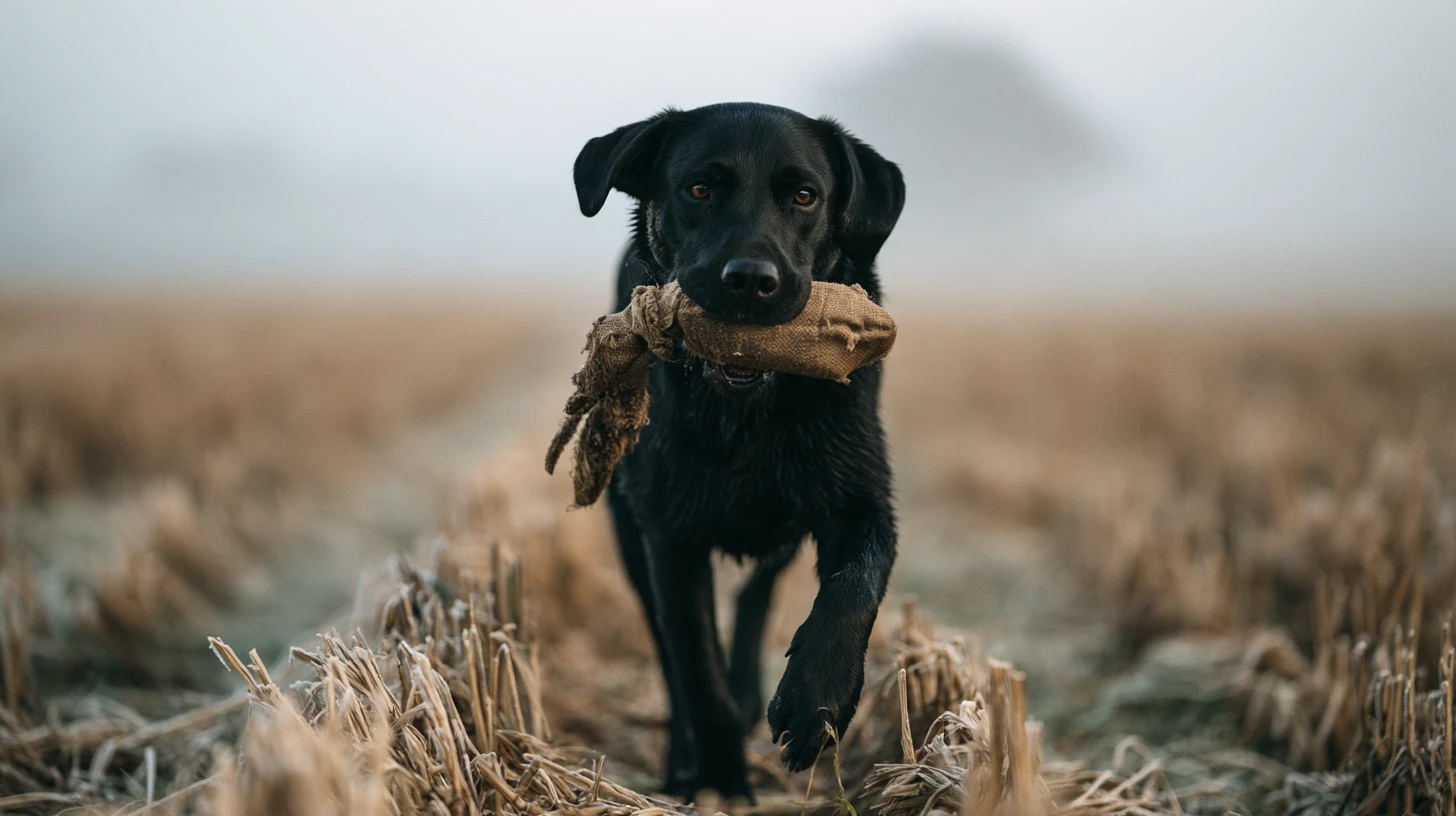
Breed dogs for field trial retrievers? Advertise here
Buyers and trainers use this page to find breeders whose lines do this work. List your kennel free, tick the industries your dogs work in, and advertise litters and stud dogs from proven working lines.
No breeders are listed here yet, so the first profiles get the page to themselves.
- Free basic profile: your breeder or company name, website, social media, location, breeds and industries.
- Litters and stud dogs advertised in their own sections, never mixed with puppies for sale.
- Premium showcase for your services and prices, previous customers, awards, video, gallery and health certificates, with your phone and email shown to buyers.
- Sponsored articles about your breed or industry, written and published by our team.
- Featured placement at the top of this page, labelled as sponsored.
Is it free to advertise here?
Yes. A breeder profile and your litter and stud dog adverts are free. Premium profiles, featured placement and sponsored articles are optional paid extras; see pricing.
Do I need a licence to advertise puppies?
In England you need a dog breeding licence from your council if you breed three or more litters in 12 months or breed and sell dogs as a business, and Wales, Scotland and Northern Ireland have their own schemes. Licensed breeders show their licence number and issuing council on every advert. Puppies must be at least eight weeks old before they go to new homes.
Is my listing already here?
We add licensed breeders from councils' public registers. Search for your kennel name; if it is listed you can claim it and edit everything.
About field trial retrievers
Retriever field trials are the hardest public test of a retriever’s working ability in the UK. Dogs are judged on real shooting days, on shot game, under the Royal Kennel Club’s field trial regulations, and the Field Trial Champion (FTCh) title is the benchmark for working retriever lines. This page explains what retriever field trials UK-wide ask of a dog, who breeds and trains them, and what to check before buying FTCh Labrador puppies.
What this work involves
At a trial the dog walks in line with the guns and judges, or sits at a drive, and must stay steady while game is shot around it. When sent, it hunts for dead or wounded game on land or in water and retrieves it tenderly to hand. Judges credit natural game-finding, marking, nose, drive and style, control, quick pick-ups and quiet handling.
The regulations list eliminating faults, including hard mouth, whining or barking, running in, chasing, being out of control, failing to enter water, refusing to retrieve and changing game during a retrieve. Being ‘eye-wiped’, where another dog finds game yours failed to find, is a major fault, as are unsteadiness at heel and noisy handling. Pinch, prong and electric shock collars are banned at every trial the Royal Kennel Club licenses.
Stakes include Puppy stakes (for dogs under two years old), Novice, All Aged and Open. Open stakes carry qualifications towards the FTCh title: two-day open stakes take 20 to 24 runners and one-day open stakes 10 to 16.
A retriever becomes a Field Trial Champion by winning the IGL Retriever Championship, which the International Gundog League organises on the Royal Kennel Club’s behalf, or by winning open stakes under three different A-panel judges: two 24-dog stakes, one 24-dog and one one-day stake, or three one-day stakes. One win must be in a stake open to all retriever breeds, and the dog must also hold a Water and Drive Certificate.
Who trains and supplies these dogs in the UK
Field trial retriever breeders are private kennels, often run by handlers who trial, pick up or shoot through the season. Puppies are sold privately, and buyers train them or pay a professional trainer. Nobody supplies ready-made trial dogs; the occasional trained dog changes hands privately.
The Royal Kennel Club licenses retriever trials, sets the regulations, approves judges and records awards, and dogs placed at trials qualify for entry in its Stud Book, so claims about the parents can be checked. The trials are run by retriever breed clubs and field trial societies under its rules. In summer many of the same clubs run gundog working tests on dummies, and the Royal Kennel Club’s Working Gundog Certificate is another way for a dog to show its competence.
Breeds and lines
The Labrador Retriever is the breed most people picture at a retriever trial, and a field trial Labrador is usually lighter and faster than its show-bred cousin, bred for drive, nose and biddability. The Golden Retriever has its own trialling following, while the Flat Coated Retriever and Chesapeake Bay Retriever are run by smaller groups of enthusiasts. For trial purposes the Irish Water Spaniel also runs with the retrievers.
Health matters as much as titles. For Labradors, the RKC Health Standard’s Good Practice level includes hip and elbow scoring under the BVA/RKC schemes, eye testing, and DNA tests for conditions including centronuclear myopathy, exercise-induced collapse and progressive retinal atrophy (prcd-PRA).
What to ask a breeder
- Which awards do the sire and dam hold, in which stakes, and what are their registered names so I can check them?
- Are the parents’ hip, elbow, eye and DNA results available?
- How steady and quiet are the parents in the line and at a drive?
- What is the litter’s coefficient of inbreeding?
- Is this litter bred to produce trial dogs, or picking-up and shooting dogs?
- Can I meet the dam and, ideally, see her work?
Frequently asked questions
What does FTCh mean on a pedigree?
Field Trial Champion. The Royal Kennel Club awards it to a retriever that has won the Championship or the required open stakes and also holds a Water and Drive Certificate. It tells you what that dog achieved, not what its puppies will do.
Is a field trial Labrador a good family pet?
In an active home that gives it work, often yes. Trial-bred Labradors can be very driven, so a quieter shooting line may suit a family with no interest in gundog training.
How do I find field trial retriever breeders?
Watch trials and working tests, contact retriever breed clubs, and check every breeder’s claims against the parents’ registered names and awards.
If you breed retrievers whose lines have proved themselves in field trials, list your kennel so people searching for field trial retriever breeders can find you. Add your listing.
Breeds used for field trial retrievers
More in working gundogs
- Working gundogs
- Beating dogs and beaters’ spaniels
- Deer stalking and deer tracking dogs
- Falconry and hawking dogs
- Field trial hunt, point and retrieve breeds
- Field trial pointers and setters
- Field trial spaniels
- Peg dogs for standing guns
- Picking-up dogs for driven shoots
- Professional gundog trainers and residential training
- Rough shooting and walked-up dogs
- Wildfowling dogs
- Working-bred gundog puppies and field trial lines