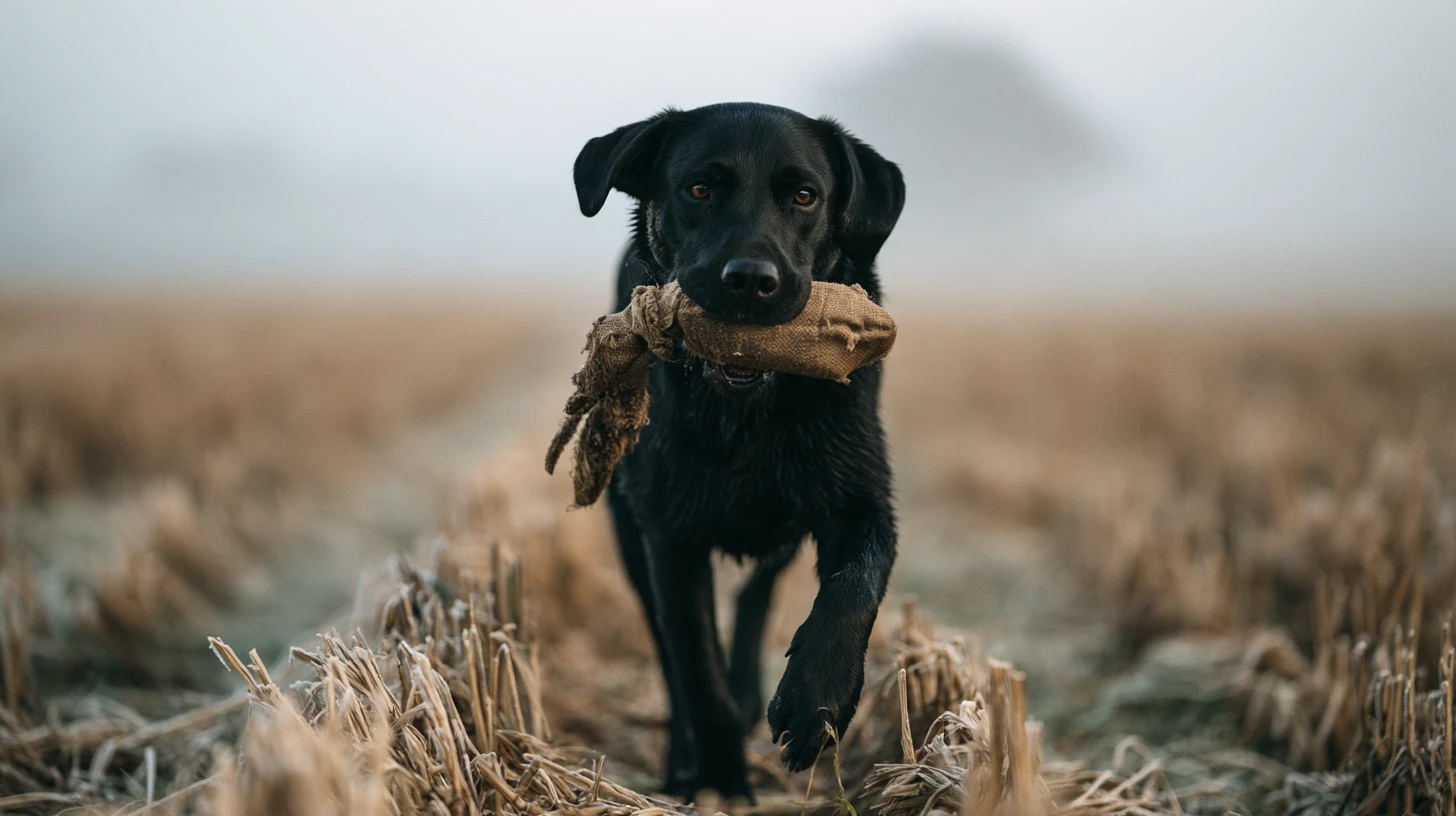
Breed dogs for professional gundog trainers and residential training? Advertise here
Buyers and trainers use this page to find breeders whose lines do this work. List your kennel free, tick the industries your dogs work in, and advertise litters and stud dogs from proven working lines.
No breeders are listed here yet, so the first profiles get the page to themselves.
- Free basic profile: your breeder or company name, website, social media, location, breeds and industries.
- Litters and stud dogs advertised in their own sections, never mixed with puppies for sale.
- Premium showcase for your services and prices, previous customers, awards, video, gallery and health certificates, with your phone and email shown to buyers.
- Sponsored articles about your breed or industry, written and published by our team.
- Featured placement at the top of this page, labelled as sponsored.
Is it free to advertise here?
Yes. A breeder profile and your litter and stud dog adverts are free. Premium profiles, featured placement and sponsored articles are optional paid extras; see pricing.
Do I need a licence to advertise puppies?
In England you need a dog breeding licence from your council if you breed three or more litters in 12 months or breed and sell dogs as a business, and Wales, Scotland and Northern Ireland have their own schemes. Licensed breeders show their licence number and issuing council on every advert. Puppies must be at least eight weeks old before they go to new homes.
Is my listing already here?
We add licensed breeders from councils' public registers. Search for your kennel name; if it is listed you can claim it and edit everything.
About professional gundog trainers and residential training
Most gundogs in Britain are bred by private breeders and trained by their owners, often with help from a professional. Whether you are searching for a gundog trainer near me, weighing up residential gundog training or looking for gundog training classes, it helps to know how gundog training in the UK is organised. Canine Breeder is a directory of breeders: we do not train, assess or sell dogs, and no listing certifies a dog’s working ability.
What this work involves
Residential training. The dog lives at the trainer’s kennels for a period and learns the foundations of fieldwork: steadiness, heelwork, stopping on the whistle, delivering to hand, hunting within range and taking directions at a distance. Good trainers finish with handover sessions so the dog learns to work for you.
Classes and one-to-one coaching. You train your own dog under a trainer’s eye. This is the usual route for first-time owners and pet gundogs.
Part-trained and trained adults. Some trainers and breeders sell young dogs they have started, and a few sell dogs with a season or more in the field. There is no national standard for “part trained”: adverts for part trained gundogs for sale can mean anything from a dog that retrieves a dummy to one that has picked up game on shoot days.
Who trains and supplies these dogs in the UK
Puppies come from private breeders, usually from shooting, picking-up or field trial lines, and leave untrained. Training is then done by the owner, a professional trainer, or both. Dog training is not a licensed profession in the UK, so standards vary.
The Gundog Club’s graded training scheme is open to all gundogs, with or without pedigree papers, and helps handlers train their dogs in achievable steps, from complete beginners and six-month-old puppies upwards, by passing a series of graded field tests. There are separate candidate manuals for retrievers, hunting retrievers and hunt-point-retrieve (HPR) breeds. In 2026 the Gundog Club stopped trading and the Gundog Trust, the charity that owned it, closed. The club now only maintains the scheme’s standards; former instructors listed on its website offer graded assessments, which you arrange directly with them.
BASC (the British Association for Shooting and Conservation) publishes a gundog code of practice and working-dog advice, and runs training sessions and working-dog events open to members and non-members.
The Royal Kennel Club (RKC) licenses field trials, which resemble a day’s shooting in the field and were developed to test the working ability of gundogs.
Breeds and lines
- Labrador Retriever: a familiar sight on shoot days, used for picking-up and as a peg dog.
- Spaniel (English Springer): the classic rough-shooting and beating dog, flushing game within gunshot.
- Spaniel (Cocker): smaller and quick, used for flushing and picking-up in thick cover.
- Retriever (Golden): working lines are usually lighter and more driven than show-bred Goldens.
- Hungarian Vizsla: an HPR breed that hunts, points and retrieves.
Working and show lines differ in several of these breeds, so for a field dog look for parents that work on shoots or have working test or field trial results.
What to ask a breeder
- What do the sire and dam do: rough shooting, beating, picking-up, working tests or field trials? Can I see them work?
- Which health tests have both parents had, such as hip and elbow scores under the BVA/KC schemes, eye tests under the BVA/KC/ISDS Eye Scheme and breed-relevant DNA tests?
- Which trainers or classes do your puppy buyers use, and have any taken Gundog Club graded assessments?
- For a part-trained dog: what exactly can it do today, on dummies and on game, and can I handle it before deciding?
- If you recommend a residential trainer, what methods do they use, do they use electronic collars, and are their kennels licensed by the council?
- Is there a written contract, and what happens if the dog does not suit the work?
Legal and welfare notes
- Electric shock collars. Their use has been banned in Wales since the Animal Welfare (Electronic Collars) (Wales) Regulations 2010. In England, draft regulations laid in 2023 were not brought into force, and no ban is in force as of September 2026; the government’s Animal Welfare Strategy for England, published in December 2025, says it will consult later in this Parliament on whether to ban them.
- Duty of care. In England and Wales, the Animal Welfare Act 2006 applies to anyone responsible for a dog, including a trainer who has it in their charge.
- Boarding. In England, providing accommodation for other people’s dogs in the course of a business needs a council licence under the Animal Welfare (Licensing of Activities Involving Animals) (England) Regulations 2018. If a residential trainer has none, ask why.
Frequently asked questions
How long does residential gundog training take?
There is no fixed length. Trainers usually assess the dog and quote a period based on its age, experience and the work you want, plus handover lessons.
Is a part-trained gundog better than a puppy?
It can suit owners who need a working dog sooner, but the term is loose. Watch the dog work, handle it yourself, and ask what it has met, such as live game, water and gunfire.
Does Canine Breeder sell trained or certified gundogs?
No. We list breeders, some of whom breed from lines used for shooting and field trials. We do not train, test or certify dogs; owners and independent trainers do the training.
Do you breed gundogs from lines used in the shooting field, or whose puppies go on to residential training and Gundog Club graded assessments? List your kennel on Canine Breeder and tell buyers about your lines, health testing and the work your dogs do.
Breeds used for professional gundog trainers and residential training
More in working gundogs
- Working gundogs
- Beating dogs and beaters’ spaniels
- Deer stalking and deer tracking dogs
- Falconry and hawking dogs
- Field trial hunt, point and retrieve breeds
- Field trial pointers and setters
- Field trial retrievers
- Field trial spaniels
- Peg dogs for standing guns
- Picking-up dogs for driven shoots
- Rough shooting and walked-up dogs
- Wildfowling dogs
- Working-bred gundog puppies and field trial lines