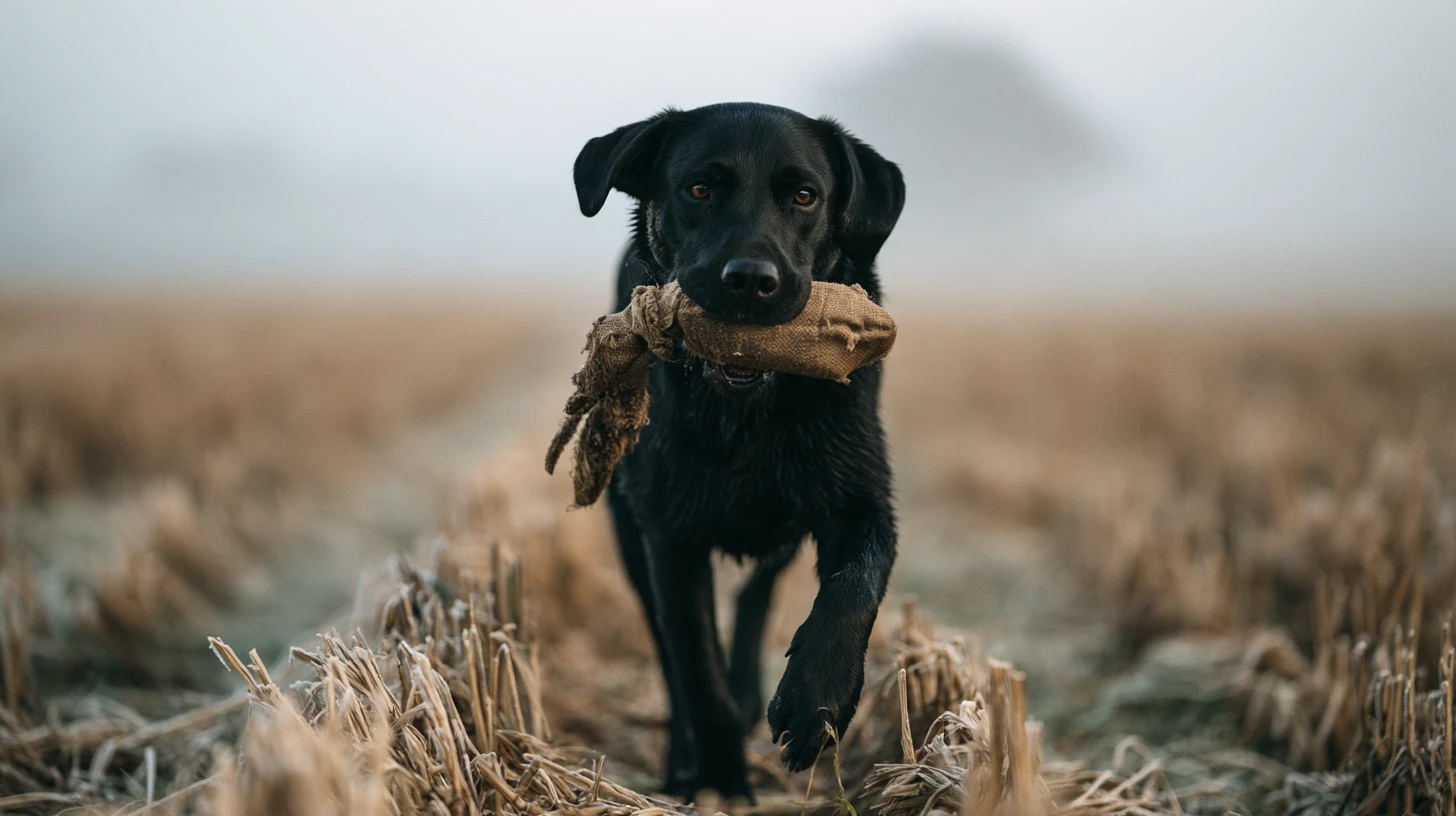
Breed dogs for deer stalking and deer tracking dogs? Advertise here
Buyers and trainers use this page to find breeders whose lines do this work. List your kennel free, tick the industries your dogs work in, and advertise litters and stud dogs from proven working lines.
No breeders are listed here yet, so the first profiles get the page to themselves.
- Free basic profile: your breeder or company name, website, social media, location, breeds and industries.
- Litters and stud dogs advertised in their own sections, never mixed with puppies for sale.
- Premium showcase for your services and prices, previous customers, awards, video, gallery and health certificates, with your phone and email shown to buyers.
- Sponsored articles about your breed or industry, written and published by our team.
- Featured placement at the top of this page, labelled as sponsored.
Is it free to advertise here?
Yes. A breeder profile and your litter and stud dog adverts are free. Premium profiles, featured placement and sponsored articles are optional paid extras; see pricing.
Do I need a licence to advertise puppies?
In England you need a dog breeding licence from your council if you breed three or more litters in 12 months or breed and sell dogs as a business, and Wales, Scotland and Northern Ireland have their own schemes. Licensed breeders show their licence number and issuing council on every advert. Puppies must be at least eight weeks old before they go to new homes.
Is my listing already here?
We add licensed breeders from councils' public registers. Search for your kennel name; if it is listed you can claim it and edit everything.
About deer stalking and deer tracking dogs
Most shots at deer are clean, but not all. When a deer runs on after the shot and goes into cover, a deer tracking dog on a long line is often the quickest way to find it and end its suffering.
What this work involves
A dog for deer stalking does two jobs. On the stalk it walks silently at heel or lies still beside the rifle, often indicating deer by scent before the stalker sees them. After the shot it becomes a tracker: in a harness on a long line, it follows the ground scent and blood of a wounded animal, sometimes many hours old, until it finds the deer. A stalking dog must be quiet, steady to the shot and trustworthy around livestock.
Deer dog training builds up in stages, using artificial blood trails left to age. UK Deer Track & Recovery (UKDTR) assesses handler-and-dog teams on a trail of about 400 metres laid at least three hours earlier, with two turns, and, at the higher level, about 800 metres laid at least 20 hours earlier, with turns and a short backtrack. Handlers must show control at heel, and a dog that chases game or livestock does not complete the test.
Who trains and supplies these dogs in the UK
No organisation supplies trained deer dogs. Puppies come from private breeders, and training is done by the owner, usually a stalker, keeper or deer manager, with help from clubs and experienced handlers.
- Bavarian Mountain Hound Society of Great Britain. Runs training days at venues including Cannock Chase and the Forest of Dean, and holds Schweisshund (wounded-game tracking) tests. Only Kennel Club or FCI-registered dogs can receive a pass certificate; unregistered dogs can take part but receive a letter of completion instead.
- UK Deer Track & Recovery (UKDTR). A voluntary, non-profit organisation whose tracking teams offer stalkers and deer managers a free service to track, locate and, where needed, dispatch wounded deer. Any breed or crossbreed may be put forward for its tests, provided the dog is healthy and fit for the work.
- The British Deer Society. Trains stalkers through courses including the DSC1 Deer Stalking Certificate and practical skills development for DSC2. It trains people, not dogs.
Breeds and lines
The Bavarian Mountain Hound is a specialist scent hound, developed to track wounded game. Its breed society warns that these hounds need to live as part of the family, do not make good kennel dogs, and do not suit an owner who will take them out only occasionally.
Many stalkers use a breed they already know. Labrador Retrievers are common stalking companions, while German Wirehaired Pointers and Hungarian Wirehaired Vizslas combine tracking with general gundog work. Some stalkers work smaller dogs such as the Wire Haired Dachshund.
Look for breeders whose dogs work in deer management and who can show tracking test results for the parents. A pedigree of working names is a starting point, not proof.
What to ask a breeder
- Have the sire and dam passed a tracking test, with which organisation, and on how old a trail?
- Do the parents track real deer, and how many recoveries have they made?
- How do the parents behave with livestock, in a vehicle and at the shot?
- Which health tests have the parents had? For the Bavarian Mountain Hound, the Royal Kennel Club’s Health Standard asks breeders to prioritise genetic diversity and recommends hip scoring under the BVA/KC scheme.
- Are both parents registered, so the puppy can earn a pass certificate at society tests?
Legal and welfare notes
- In England and Wales, the Deer Act 1991 sets close seasons and the firearms and ammunition that may be used on deer. The Deer (Scotland) Act 1996 does the same in Scotland, where the close season for male deer was removed from 21 October 2023; female deer still have close seasons.
- The Hunting Act 2004 bans hunting wild mammals with dogs in England and Wales, subject to the exemptions in Schedule 1. Stalking or flushing out a deer is exempt only for purposes such as preventing serious damage or obtaining meat, with no more than two dogs, on land where you have permission, and if reasonable steps are taken to have it shot dead as soon as possible. Hunting a wild mammal you reasonably believe is injured, to relieve its suffering, is also exempt, with the same two-dog limit.
- The Hunting with Dogs (Scotland) Act 2023 allows up to two dogs, under control and with the landowner’s permission, for deer stalking and for relieving the suffering of injured wild mammals. Licences to use more than two dogs are available only for wild mammal management and environmental benefit, from the Scottish Ministers or NatureScot.
Frequently asked questions
What is the best dog for deer stalking?
The one you will train and work consistently. The Bavarian Mountain Hound is the specialist; Labradors, HPRs and wire-haired dachshunds are also used by many stalkers.
How do I start deer dog training?
Begin with short, fresh blood trails and build up age and length gradually. Society training days and UKDTR tests give you milestones and experienced people to learn from.
Who can I call if I cannot find a shot deer?
UKDTR’s find-a-tracker service lists volunteer tracking teams near you, and it makes no charge for tracking. Its guidance is to mark the strike site and call a team rather than search at random, which can spoil the trail.
If your dogs work in deer management, or you breed from tracking-tested parents, list your kennel so stalkers looking for a deer tracking dog can find you. Add your listing.
Breeds used for deer stalking and deer tracking dogs
More in working gundogs
- Working gundogs
- Beating dogs and beaters’ spaniels
- Falconry and hawking dogs
- Field trial hunt, point and retrieve breeds
- Field trial pointers and setters
- Field trial retrievers
- Field trial spaniels
- Peg dogs for standing guns
- Picking-up dogs for driven shoots
- Professional gundog trainers and residential training
- Rough shooting and walked-up dogs
- Wildfowling dogs
- Working-bred gundog puppies and field trial lines