Breed dogs for working-bred gundog puppies and field trial lines? Advertise here
Buyers and trainers use this page to find breeders whose lines do this work. List your kennel free, tick the industries your dogs work in, and advertise litters and stud dogs from proven working lines.
No breeders are listed here yet, so the first profiles get the page to themselves.
- Free basic profile: your breeder or company name, website, social media, location, breeds and industries.
- Litters and stud dogs advertised in their own sections, never mixed with puppies for sale.
- Premium showcase for your services and prices, previous customers, awards, video, gallery and health certificates, with your phone and email shown to buyers.
- Sponsored articles about your breed or industry, written and published by our team.
- Featured placement at the top of this page, labelled as sponsored.
Is it free to advertise here?
Yes. A breeder profile and your litter and stud dog adverts are free. Premium profiles, featured placement and sponsored articles are optional paid extras; see pricing.
Do I need a licence to advertise puppies?
In England you need a dog breeding licence from your council if you breed three or more litters in 12 months or breed and sell dogs as a business, and Wales, Scotland and Northern Ireland have their own schemes. Licensed breeders show their licence number and issuing council on every advert. Puppies must be at least eight weeks old before they go to new homes.
Is my listing already here?
We add licensed breeders from councils' public registers. Search for your kennel name; if it is listed you can claim it and edit everything.
About working-bred gundog puppies and field trial lines
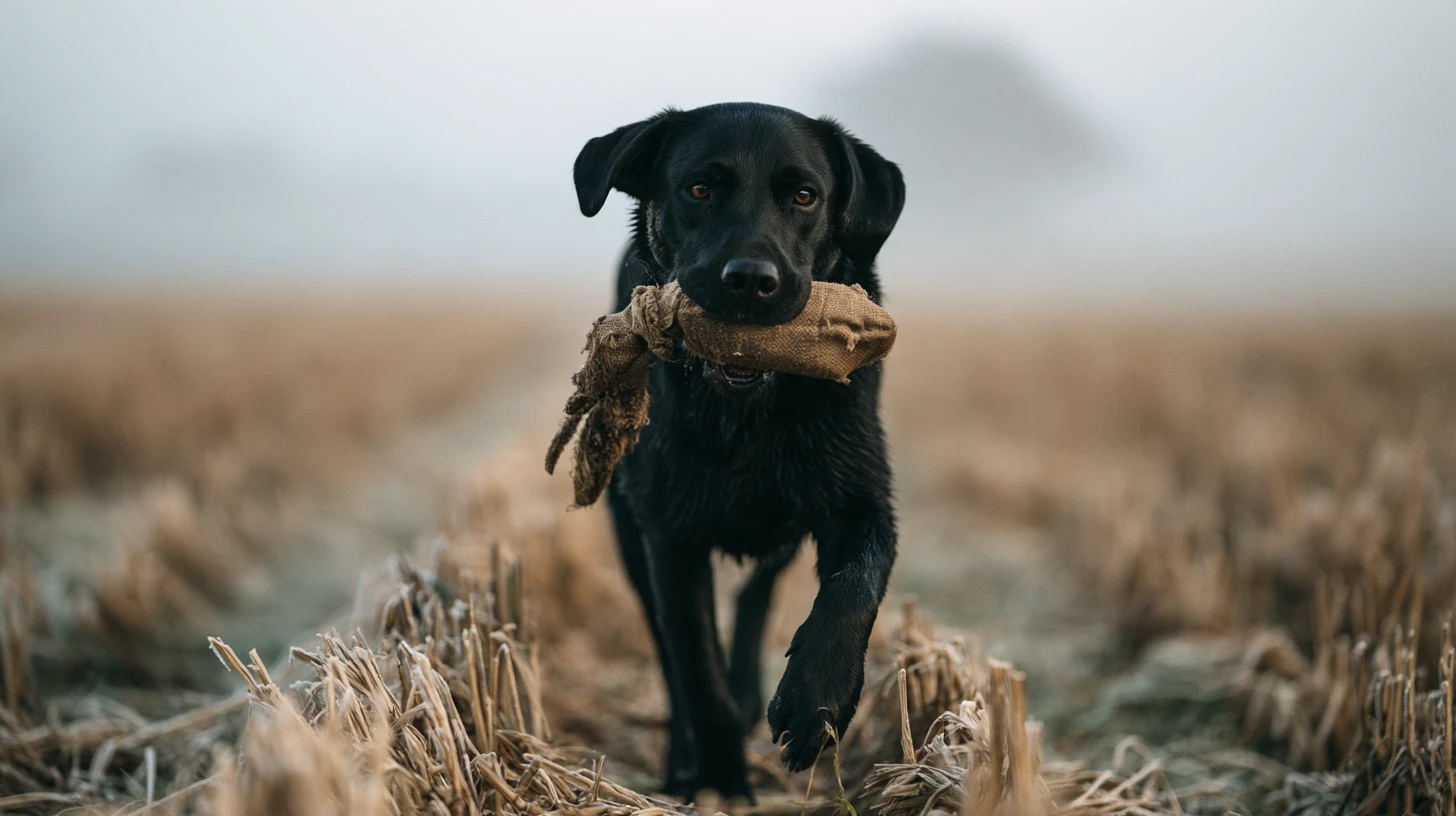
A working-bred gundog puppy comes from parents and grandparents selected for their work in the shooting field or at field trials, rather than for the show ring. Working Labrador puppies and working cocker puppies are the best-known examples. The challenge for buyers is separating genuine working lines from marketing, and this page explains how to check.
What this work involves
Working line gundog puppies are bred to hunt, flush or point and retrieve with drive, nose and a soft mouth, and to be trainable. As adults they may go picking up or beating, work on rough shoots, compete in field trials and working tests, or live as active family dogs with a job to do.
‘FTCh bred puppies’ is a phrase to read carefully. It may mean a parent is a Field Trial Champion, or only that one appears several generations back. A Field Trial Champion has won a Royal Kennel Club championship or the required open stakes. What counts most is what the parents do now, whether that is trialling, working tests or a full season on a shoot.
Who trains and supplies these dogs in the UK
Working-bred puppies are sold by private breeders, from people with one litter a year to established trialling kennels. The buyer trains the puppy or pays a professional trainer; trained dogs occasionally change hands privately, but no organisation supplies trained gundogs to the public. Canine Breeder lists breeders; it does not breed, train or sell dogs.
- The Royal Kennel Club registers litters, records field trial awards and publishes a Health Standard for each breed, with Good Practice and Best Practice tests. Its online health test results finder lets you check the parents.
- The Gundog Club graded training scheme takes pet and working gundogs in achievable steps from six-month-old puppies to fully trained dogs. The club stopped trading in 2026 but still maintains the scheme’s standards, and former club instructors offer assessments, arranged directly with them.
- BASC offers gundog advice, a gundog code of practice and guidance on breeding regulations, and runs the free BASC Breeder Club for working dog breeders with Agria Pet Insurance, which includes five weeks’ free insurance cover for puppies.
Breeds and lines
The main working-bred breeds are the Labrador Retriever, English Springer Spaniel, Cocker Spaniel, German Shorthaired Pointer and Hungarian Vizsla. In most of them working and show lines have drifted apart, and the difference shows in size, coat and temperament. Working-bred dogs make excellent companions for active people but can be too much for a quiet home.
Health counts as much as pedigree. For Labradors, the RKC Health Standard’s Good Practice level includes hip, elbow and eye testing and six DNA tests; for Cockers, DNA tests for acral mutilation syndrome and prcd-PRA; for English Springers, hips, elbows and eyes.
What to ask a breeder
- Are the puppies registered with the Royal Kennel Club, and what are the parents’ registered names?
- What does each parent actually do: trials, working tests, picking up, beating or rough shooting?
- Can I see the parents’ health test results, and do they meet the Health Standard for the breed?
- Do you hold a breeding licence and, if so, what is the number and issuing council?
- Will I see the puppies with their mother, where they were raised?
- Will the puppy be microchipped and registered before it leaves?
Legal and welfare notes
- Licensing. In England you need a licence to breed three or more litters in any 12 months, unless you can show that none of the puppies were sold, or to breed dogs and advertise a business of selling dogs. In Scotland the trigger is three or more litters in 12 months. In Wales a licence is needed if you keep three or more breeding bitches and breed three or more litters in any 12 months, advertise or supply puppies from three or more litters, or advertise a breeding business. Northern Ireland uses similar tests, also starting at three breeding bitches.
- Buying direct. Rules in force in England since 6 April 2020, and in Scotland (1 September 2021) and Wales (10 September 2021), stop licensed sellers selling puppies they did not breed themselves. Licensed breeders in England may not sell a puppy under eight weeks old.
- Microchipping. In England, Scotland and Wales, puppies must be microchipped and registered on a database by eight weeks old. Northern Ireland has its own microchipping and dog licensing rules.
- Tail docking. In England and Wales a vet may dock a puppy of a specified working type, such as a spaniel or HPR, at no more than five days old, only on evidence that it is likely to work, for example in lawful shooting. Scotland’s rules differ.
Frequently asked questions
What is the difference between working and show gundog lines?
Working lines are selected for performance in the field, show lines for conformation to the breed standard. They often look and behave differently, so decide what you want the dog to do before choosing a line.
Are working cocker puppies good family pets?
They can be, in an active home that trains them and gives them work. They are busy, clever dogs and do not suit long hours alone.
What does FTCh bred mean?
That a Field Trial Champion appears in the pedigree. Ask exactly where: a champion parent tells you far more than a champion four generations back.
If you breed working-bred gundogs and can show the parents’ working record, list your kennel so buyers searching for gundog breeders UK-wide can find you. Add your listing.
Breeds used for working-bred gundog puppies and field trial lines
More in working gundogs
- Working gundogs
- Beating dogs and beaters’ spaniels
- Deer stalking and deer tracking dogs
- Falconry and hawking dogs
- Field trial hunt, point and retrieve breeds
- Field trial pointers and setters
- Field trial retrievers
- Field trial spaniels
- Peg dogs for standing guns
- Picking-up dogs for driven shoots
- Professional gundog trainers and residential training
- Rough shooting and walked-up dogs
- Wildfowling dogs