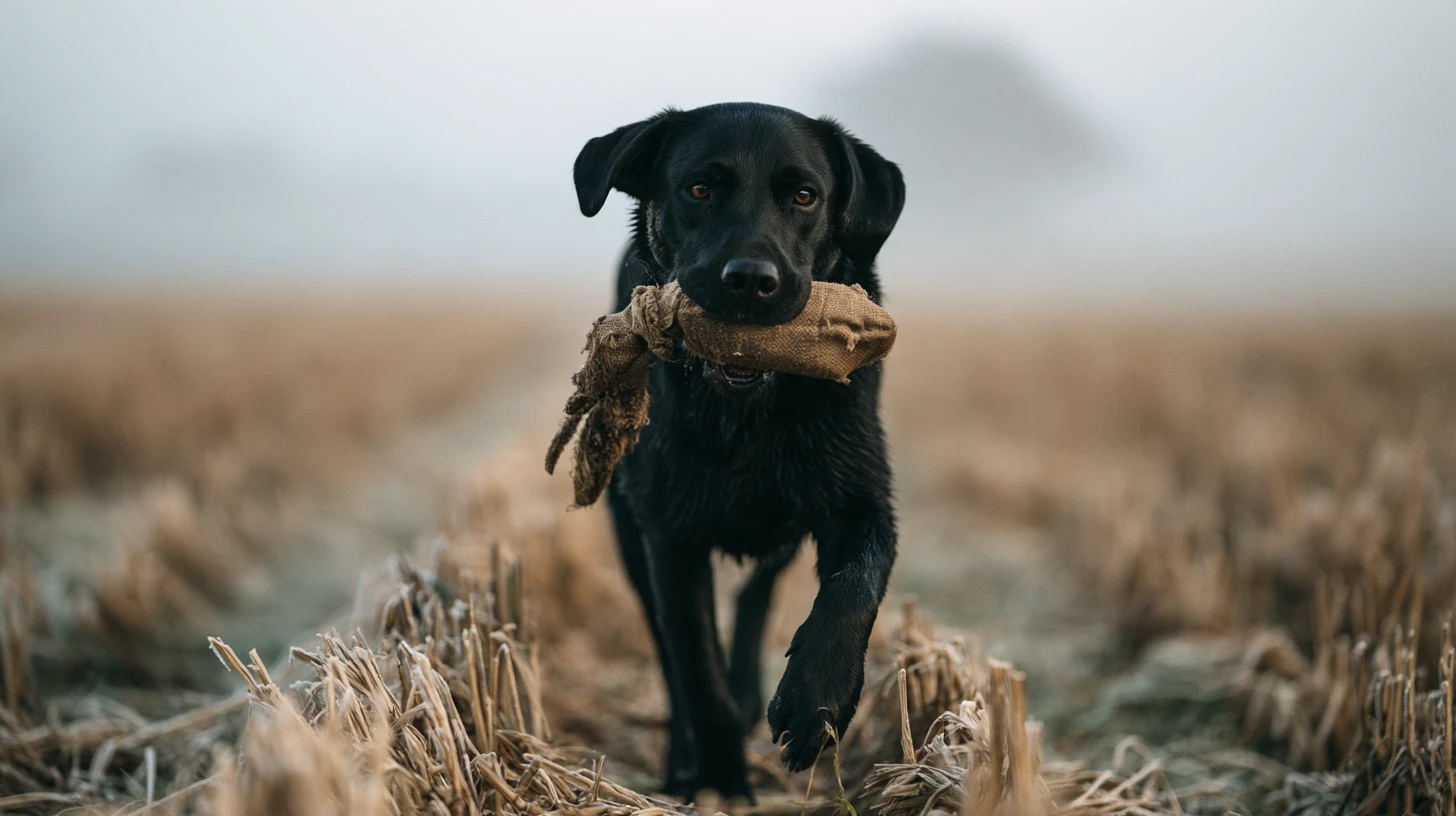
Breed dogs for rough shooting and walked-up dogs? Advertise here
Buyers and trainers use this page to find breeders whose lines do this work. List your kennel free, tick the industries your dogs work in, and advertise litters and stud dogs from proven working lines.
No breeders are listed here yet, so the first profiles get the page to themselves.
- Free basic profile: your breeder or company name, website, social media, location, breeds and industries.
- Litters and stud dogs advertised in their own sections, never mixed with puppies for sale.
- Premium showcase for your services and prices, previous customers, awards, video, gallery and health certificates, with your phone and email shown to buyers.
- Sponsored articles about your breed or industry, written and published by our team.
- Featured placement at the top of this page, labelled as sponsored.
Is it free to advertise here?
Yes. A breeder profile and your litter and stud dog adverts are free. Premium profiles, featured placement and sponsored articles are optional paid extras; see pricing.
Do I need a licence to advertise puppies?
In England you need a dog breeding licence from your council if you breed three or more litters in 12 months or breed and sell dogs as a business, and Wales, Scotland and Northern Ireland have their own schemes. Licensed breeders show their licence number and issuing council on every advert. Puppies must be at least eight weeks old before they go to new homes.
Is my listing already here?
We add licensed breeders from councils' public registers. Search for your kennel name; if it is listed you can claim it and edit everything.
About rough shooting and walked-up dogs
Rough shooting is shooting at its simplest: one or two guns walking hedgerows, rushes and woodland edges, taking whatever the dog finds. The dog has to hunt, find, flush or point, stay steady and then retrieve, which is why the best rough shooting dog is usually an all-round gundog rather than a specialist.
What this work involves
On a walked-up day the dog works within range of the gun. A spaniel quarters the cover in front, flushes game, stops to the flush and the shot, marks the fall and retrieves on command. A hunt, point and retrieve (HPR) dog ranges wider, points game and holds the point until the gun is in position, flushes on command and retrieves from land or water. A Labrador used as a hunting dog for rough shooting is taught to hunt close as well as retrieve.
Quarry depends on the ground and the season: pheasant, partridge, woodcock, snipe, duck on a flight pond or rabbits. BASC describes rough shooting, usually with spaniels or Labradors, as one of the most popular, rewarding and cheapest forms of live quarry shooting in the UK, and a good walked-up shooting dog is what makes it work.
The Royal Kennel Club’s rules show how closely HPR work and rough shooting overlap: HPR field trials are meant to run as nearly as possible like an ordinary day’s rough shooting for no more than four guns. That is one reason an HPR for rough shooting is such a popular choice.
Who trains and supplies these dogs in the UK
Rough shooting dogs are bred by private breeders and almost always trained by their owners. No organisation supplies trained rough shooting dogs, but there is plenty of help:
- BASC (the British Association for Shooting and Conservation) publishes rough shooting and gundog advice, including a gundog code of practice covering welfare, control and the law.
- The Gundog Club graded training scheme takes handlers in achievable steps from six-month-old puppies to fully trained gundogs, and is open to pet gundogs and crossbreeds. The club stopped trading in 2026 but still maintains the scheme’s standards, and former club instructors offer graded assessments, arranged directly with them.
- The Royal Kennel Club offers the Working Gundog Certificate, assessed at shoots, working tests or dedicated days, as evidence that dog and handler are a competent partnership.
Breeds and lines
The English Springer Spaniel is the classic rough shooting spaniel, tireless in cover and quick to learn. The Cocker Spaniel is smaller and suits tight cover. The German Shorthaired Pointer and Hungarian Vizsla are the best-known HPRs, strong on open ground and in water. The Labrador Retriever is steady and powerful in water, a sound choice where plenty of duck is shot.
Whichever breed you choose, look for working lines whose parents are shot over regularly, not only titled in the show ring or at trials.
What to ask a breeder
- Are the parents worked on rough shoots or walked-up days, and can I see them work?
- Do they hunt within gunshot, and are they steady to flush and shot?
- Do they hold training or working awards, such as Gundog Club grades, an RKC Working Gundog Certificate or field trial placings?
- What health test results do the parents have under the RKC Health Standard for the breed?
- How do the parents behave with livestock and in water?
- Is this litter suited to a first-time trainer, or bred for experienced handlers?
Legal and welfare notes
- In England and Wales the Game Act 1831 sets seasons for game birds: pheasant from 1 October to 1 February, partridge from 1 September to 1 February and grouse from 12 August to 10 December. The Wildlife and Countryside Act 1981 lists other birds that may be shot in season, such as woodcock, snipe and inland ducks and geese. Scotland and Northern Ireland set different dates for some species.
- Under the Hunting Act 2004, hunting rabbits with dogs is exempt on land where you have permission, and so is retrieving a hare that has been shot. Flushing other wild mammals to guns is exempt only for purposes such as preventing serious damage or obtaining meat, with no more than two dogs, and the animal must be shot as soon as possible. In Scotland, rabbits count as wild mammals under the Hunting with Dogs (Scotland) Act 2023, flushing them for shooting is limited to two dogs, and reasonable steps must be taken to stop those dogs joining others to form a larger pack.
- BASC’s gundog code of practice reminds owners that dogs must be microchipped and registered on a database by eight weeks old.
Frequently asked questions
What is the best all-round gundog for rough shooting?
Spaniels suit thick cover and close work, HPRs suit open ground and mixed quarry, and a Labrador suits a gun who shoots a lot of duck.
Is an HPR good for rough shooting?
Yes. HPR breeds were developed to hunt, point and retrieve for a single hunter, which is exactly what walked-up shooting asks. They need consistent training and plenty of work.
Can a first-time owner train a rough shooting dog?
Many do. A graded training scheme, a local gundog class and an experienced instructor make it far easier.
If your dogs are worked on rough shoots and walked-up days, list your kennel so people looking for a rough shooting dog can find you. Add your listing.
Breeds used for rough shooting and walked-up dogs
More in working gundogs
- Working gundogs
- Beating dogs and beaters’ spaniels
- Deer stalking and deer tracking dogs
- Falconry and hawking dogs
- Field trial hunt, point and retrieve breeds
- Field trial pointers and setters
- Field trial retrievers
- Field trial spaniels
- Peg dogs for standing guns
- Picking-up dogs for driven shoots
- Professional gundog trainers and residential training
- Wildfowling dogs
- Working-bred gundog puppies and field trial lines