Breed dogs for court and witness support facility dogs? Advertise here
Buyers and trainers use this page to find breeders whose lines do this work. List your kennel free, tick the industries your dogs work in, and advertise litters and stud dogs from proven working lines.
No breeders are listed here yet, so the first profiles get the page to themselves.
- Free basic profile: your breeder or company name, website, social media, location, breeds and industries.
- Litters and stud dogs advertised in their own sections, never mixed with puppies for sale.
- Premium showcase for your services and prices, previous customers, awards, video, gallery and health certificates, with your phone and email shown to buyers.
- Sponsored articles about your breed or industry, written and published by our team.
- Featured placement at the top of this page, labelled as sponsored.
Is it free to advertise here?
Yes. A breeder profile and your litter and stud dog adverts are free. Premium profiles, featured placement and sponsored articles are optional paid extras; see pricing.
Do I need a licence to advertise puppies?
In England you need a dog breeding licence from your council if you breed three or more litters in 12 months or breed and sell dogs as a business, and Wales, Scotland and Northern Ireland have their own schemes. Licensed breeders show their licence number and issuing council on every advert. Puppies must be at least eight weeks old before they go to new homes.
Is my listing already here?
We add licensed breeders from councils' public registers. Search for your kennel name; if it is listed you can claim it and edit everything.
About court and witness support facility dogs
A court dog, or justice facility dog, is a calm, professionally trained dog that helps vulnerable witnesses and victims through interviews, waiting rooms and hearings. The idea is well established in the United States, but UK use is small and largely research-led. This page explains what a facility dog is, what is happening in the UK, and why a witness support dog cannot simply be bought from a breeder.
What this work involves
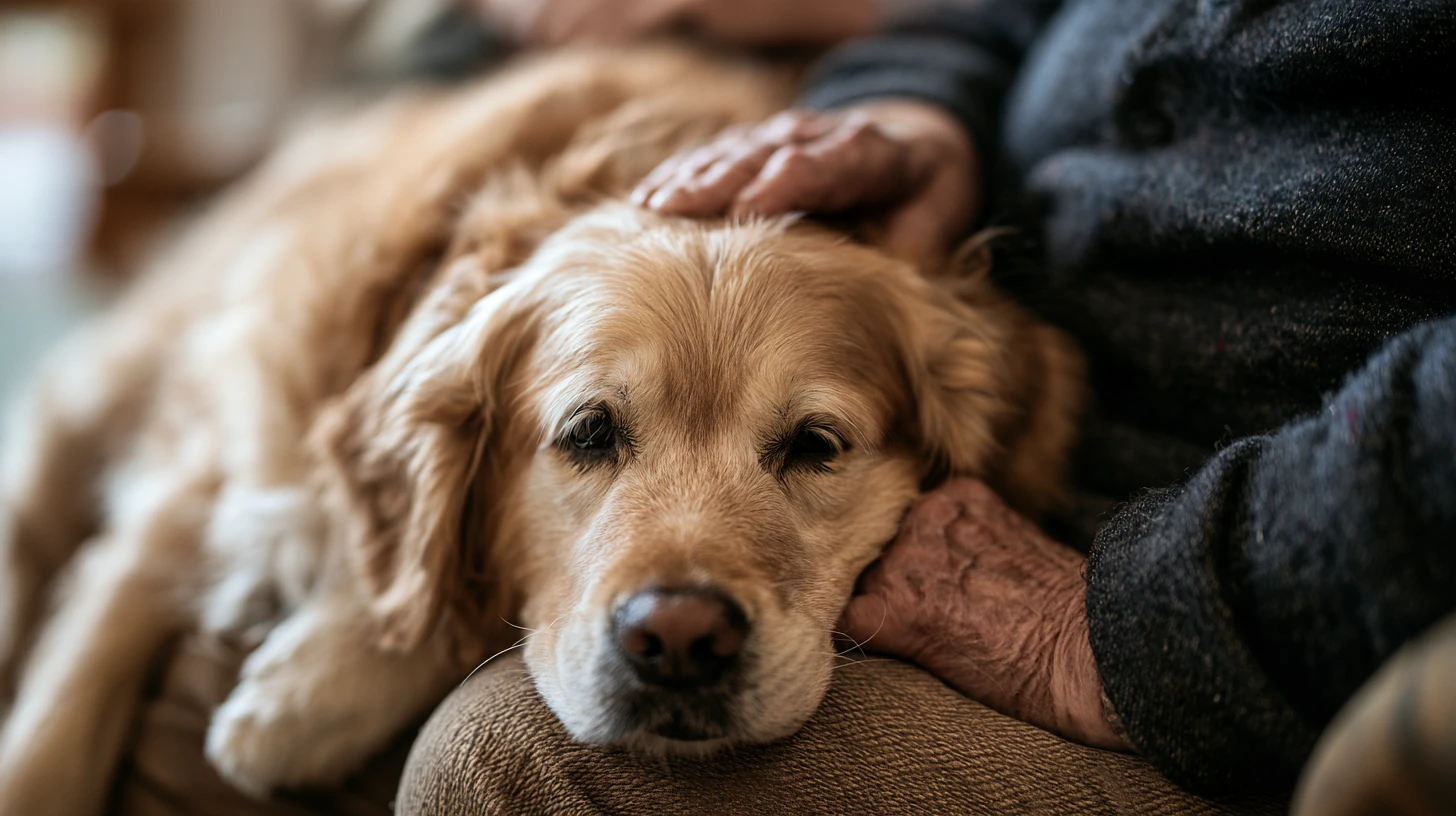
A facility dog sits quietly beside a witness, often a child or a vulnerable adult, while they wait, give an interview or give evidence. It must settle for long periods, ignore distractions, stay silent and accept being stroked by someone under great stress. The US-based Courthouse Dogs Foundation describes courthouse facility dogs as professionally trained dogs that graduate from assistance dog organisations belonging to Assistance Dogs International (ADI), handled by professionals working in the legal system.
A therapy dog at court is different: a volunteer’s assessed pet offering comfort in waiting areas or during breaks, without the same level of training or a professional handler.
Who trains and supplies these dogs in the UK
At Canterbury Christ Church University, facility-dog work has centred on Oliver, a black Labrador Retriever trained and donated by Duo Dogs, a US organisation accredited by ADI, and handled by psychology lecturer Dr Elizabeth Spruin, who founded Justice Facility Dogs UK. The university described him as the first justice facility dog in Europe and the first placed at a university. Much of his work was with Kent Police, supporting children and vulnerable adults during interviews, as part of a pilot to build an evidence base for facility dogs in the UK criminal justice system. He received the PDSA Order of Merit in 2022.
Therapy Dogs Nationwide (registered charity 1167622) has introduced seven therapy dogs and their volunteer handlers at South London Coroner’s Court, where it says stroking a dog during a hearing has helped many attendees cope. The service was planned with risk assessments, staff training and a structured introduction.
The supply model follows the assistance-dog world. Facility dogs come from accredited assistance-dog programmes that breed their own dogs or select puppies from outside breeders, then raise and train them over many months. No UK breeder supplies trained court dogs, and no statutory body certifies them. A breeder can contribute only by offering a suitable puppy to such a programme.
Breeds and lines
Facility dogs usually come from the breeds that dominate assistance-dog programmes, such as Labrador Retrievers, Golden Retrievers and Labrador x Golden Retriever crosses; Oliver is a Labrador Retriever. The traits that matter are a low startle response, the ability to lie still for long periods, quiet sociability and a gentle manner.
Lines used for assistance work are the natural source. Health counts too: a dog expected to work for years in formal settings needs sound hips and elbows, good eyes and clear results on relevant DNA tests. Ask whether both parents meet the Royal Kennel Club Health Standard for the breed.
What to ask a breeder
- Have dogs from this line been selected by assistance-dog or facility-dog programmes, and did they qualify?
- How do both parents behave when asked to settle for long periods in unfamiliar places?
- What are the parents’ hip, elbow, eye and DNA results?
- How were the puppies introduced to hard floors, echoing rooms, lifts and people in uniform?
- Would you offer a puppy for assessment by an accredited programme?
Legal and welfare notes
No statutory scheme covers court dogs. In England and Wales, the special measures for vulnerable and intimidated witnesses under the Youth Justice and Criminal Evidence Act 1999 (screens, live links, evidence in private, removal of wigs and gowns, video-recorded evidence, intermediaries and aids to communication) do not include a dog. Scotland and Northern Ireland have their own rules. Any use of a dog in court is at the court’s discretion, and the organisation responsible for the dog must plan its welfare, rest and exposure to distressing situations.
Frequently asked questions
Are there court dogs in the UK?
Yes, but on a small scale, through projects such as Canterbury Christ Church University’s facility-dog work with police and volunteer therapy dogs at South London Coroner’s Court. There is no national court dog service.
What is the difference between a facility dog and a therapy dog?
A facility dog is trained by an accredited assistance-dog programme and handled by a professional in the justice system. A therapy dog is a volunteer’s pet, assessed by a charity, that visits to offer comfort.
Can I train my own dog to be a court dog?
Not in any recognised sense. A calm pet can be assessed as a therapy dog and volunteer where a court invites visits, but facility dog work relies on accredited programmes.
Do your lines produce the steady, quiet temperament that assistance and facility-dog programmes select for? List your breeding on caninebreeder.co.uk and set out your health results and any history with accredited programmes. We don’t certify working dogs, but we help programmes and families find breeders whose dogs show the right aptitude.