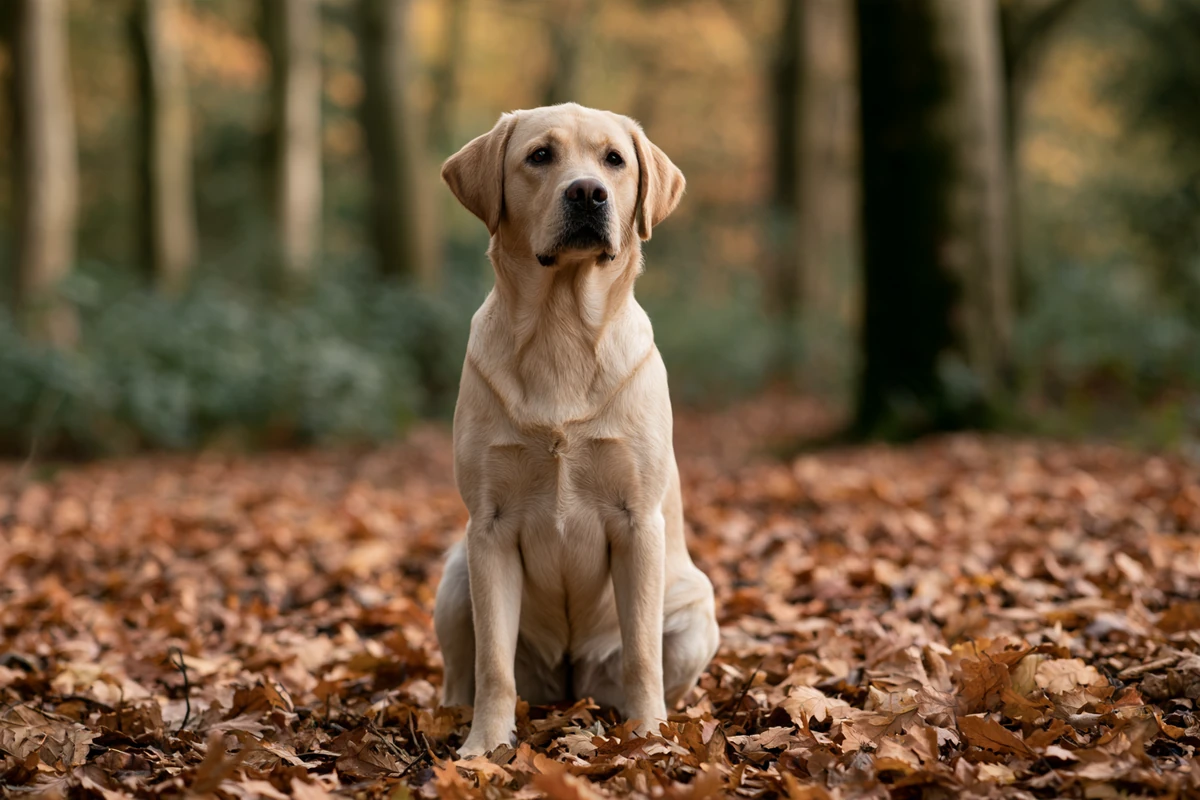
Advertise your Clumber Spaniel puppies, litters and stud dogs
Breeding Clumber Spaniels? Help buyers find this vulnerable native breed by listing your kennel on caninebreeder.co.uk. You can advertise Clumber Spaniel puppies for sale when a litter is planned or ready, and list your Clumber Spaniel stud dog for other breeders to consider. Adding RKC registration details and hip, elbow, eye, EIC and PDP-1 results lets buyers and bitch owners see the health checks you carry out before they contact you.
No breeders are listed here yet, so the first profiles get the page to themselves.
- Free basic profile: your breeder or company name, website, social media, location, breeds and industries.
- Litters and stud dogs advertised in their own sections, never mixed with puppies for sale.
- Premium showcase for your services and prices, previous customers, awards, video, gallery and health certificates, with your phone and email shown to buyers.
- Sponsored articles about your breed or industry, written and published by our team.
- Featured placement at the top of this page, labelled as sponsored.
Is it free to advertise here?
Yes. A breeder profile and your litter and stud dog adverts are free. Premium profiles, featured placement and sponsored articles are optional paid extras; see pricing.
Do I need a licence to advertise puppies?
In England you need a dog breeding licence from your council if you breed three or more litters in 12 months or breed and sell dogs as a business, and Wales, Scotland and Northern Ireland have their own schemes. Licensed breeders show their licence number and issuing council on every advert. Puppies must be at least eight weeks old before they go to new homes.
Is my listing already here?
We add licensed breeders from councils' public registers. Search for your kennel name; if it is listed you can claim it and edit everything.
About the Clumber Spaniel
Origins and purpose
The Clumber Spaniel is named after Clumber Park in Nottinghamshire, once home to the Dukes of Newcastle. The Royal Kennel Club (RKC) says the breed appeared in the UK in the late eighteenth century and credits the 2nd Duke with introducing and developing it. The Clumber Spaniel Club notes that its precise origins are uncertain: dogs were imported to Clumber Park from mainland Europe in the 1760s, but the familiar tale of spaniels sent from France to escape the Revolution finds no support in the Dukes' papers. The RKC describes the Clumber as the heaviest spaniel, used to flush game from dense cover; the club says its original job was beating rather than retrieving, though Clumbers train readily to retrieve. The first Kennel Club stud book, published in 1874, listed 65 Clumbers, and the Clumber Spaniel Club was formed in 1904.
The Clumber is in the RKC Gundog group and is one of the RKC's vulnerable native breeds: British or Irish breeds with under 300 RKC registrations a year.
Size and coat
The RKC classes the Clumber as a large breed. The breed standard gives an ideal weight of 29.5 to 34 kg for dogs and 25 to 29.5 kg for bitches, on a long, strong, deep-chested body with short, well-boned legs and a large, square head. The dense coat is straight and silky, with feathering on the legs and chest. It is white, marked with lemon or orange, mostly on the head.
Exercise and grooming
The RKC suggests up to an hour of exercise a day and grooming more than once a week. The breed club is frank about the downsides: the white coat sheds heavily for most of the year, the low, feathered underside collects mud, and Clumbers tend to drool and snore. It advises limiting exercise for a young puppy and increasing it gradually after about six months of age.
Temperament and suitability
The breed standard describes a steady, kind and dignified dog of high intelligence, more reserved than other spaniels, which works quietly and has a very good nose. The club adds that Clumbers are eager to please yet can be independent and stubborn, and generally get on well with other dogs. The RKC suggests a large house with a small to medium garden, ideally in the country, and gives a lifespan of over 10 years. The club advises against small or top-floor flats and against leaving a Clumber alone all day.
Clumber Spaniel health tests
Health
The Clumber Spaniel is in Breed Watch Category 2. The RKC asks show judges to watch for eyelids that roll inwards or outwards instead of sitting against the eye, obvious ear irritation, excess weight, and faulty hind construction or poor movement behind.
The RKC's good-practice list covers hip and elbow X-rays, a clinical eye examination and, since December 2025, a DNA test for exercise induced collapse (EIC), which was added to the list in June 2025. The RKC says EIC is highly prevalent in the breed and advises breeding it out gradually, which includes using tested carriers mated to clear dogs, so that genetic diversity is not lost too quickly. A DNA test for PDP-1 is listed as best practice; the Clumber Spaniel Club describes PDP-1 as rare in the breed and usually fatal before three months of age. The club's health guide lists ear infections, skin allergies and eyelid problems among the issues commonly reported, along with dry eye, and says disc disease has been found more often than in most breeds. Screening lowers the risk of inherited disease but cannot guarantee a healthy puppy.
RKC-listed tests and schemes
- Good practice: prioritising genetic diversity
- Good practice: BVA/KC Hip Dysplasia Scheme
- Good practice: BVA/KC Elbow Dysplasia Scheme
- Good practice: BVA/KC/ISDS Eye Scheme
- Good practice: DNA test for Exercise induced collapse (EIC), applied from December 2025
- Best practice: DNA test for Pyruvate dehydrogenase deficiency (PDP-1)
- RKC Breed Watch: Category 2
Choosing a Clumber Spaniel breeder
Choosing a breeder
A good Clumber breeder has the parents' hips and elbows X-rayed under the BVA/KC schemes, keeps eye examinations under the BVA/KC/ISDS Eye Scheme up to date, and DNA tests for EIC and PDP-1, with the results to show you. They should know how their dogs' hip scores compare with the breed median, and pay attention to the Breed Watch points of eyelids, ears, weight and hind movement. In a vulnerable breed they should also check the inbreeding coefficient of each planned mating, aiming for a figure at or below the breed average as the RKC advises. Expect to meet the mother and see where the puppies are raised. The Clumber Spaniel Club says puppies should be at least eight weeks old before leaving and should go with their RKC registration, a pedigree, a diet sheet and worming details. It also cautions against settling on the first litter you come across.
- Can I see the hip scores, elbow grades and eye certificates for both parents?
- What are the parents' EIC and PDP-1 DNA results?
- What is the inbreeding coefficient of this mating compared with the breed average?
- Can I meet the mother, and how do the parents move and carry their weight?
- Will you stay in touch after the sale and take the dog back if needed?
Clumber Spaniel questions
Why is the Clumber Spaniel a vulnerable native breed?
The RKC uses the term for British and Irish breeds with under 300 RKC registrations a year. The Clumber has stayed below that figure in every year of the RKC's published figures from 2016 to 2025.
How big does a Clumber Spaniel get?
The RKC classes it as a large breed. The breed standard gives an ideal weight of 29.5 to 34 kg for dogs and 25 to 29.5 kg for bitches.
Do Clumber Spaniels shed and drool?
Yes. The Clumber Spaniel Club says the coat sheds heavily for most of the year and that Clumbers tend to slobber. The RKC recommends grooming more than once a week.
Which health tests should a Clumber's parents have?
The RKC lists hip and elbow scoring under the BVA/KC schemes, an eye examination under the BVA/KC/ISDS Eye Scheme and a DNA test for exercise induced collapse (EIC) as good practice, and a DNA test for PDP-1 as best practice.
More for Clumber Spaniel owners and breeders
- Clumber Spaniel: breeders
- Clumber Spaniel: puppies for sale
- Clumber Spaniel: stud dogs
- All Gundog group breeds
- Field trial spaniels
- Vulnerable native breeds
Official sources
- Spaniel (Clumber) breed information
- Spaniel (Clumber) breed standard
- Breed Watch: Spaniel (Clumber), Category 2
- Vulnerable native breeds
- DNA test: exercise induced collapse (EIC)
- DNA test: PDP-1
- Health Test Results Finder
- Inbreeding coefficient calculator
- Clumber Spaniel Club
- Clumber Spaniel Club: health A to Z
- Clumber Spaniel Club: buying a puppy
- Clumber Spaniel Club: stud dog list
- Working Clumber Spaniel Society
- BVA/KC Hip Dysplasia Scheme
- BVA/KC Elbow Dysplasia Scheme
- BVA/KC/ISDS Eye Scheme