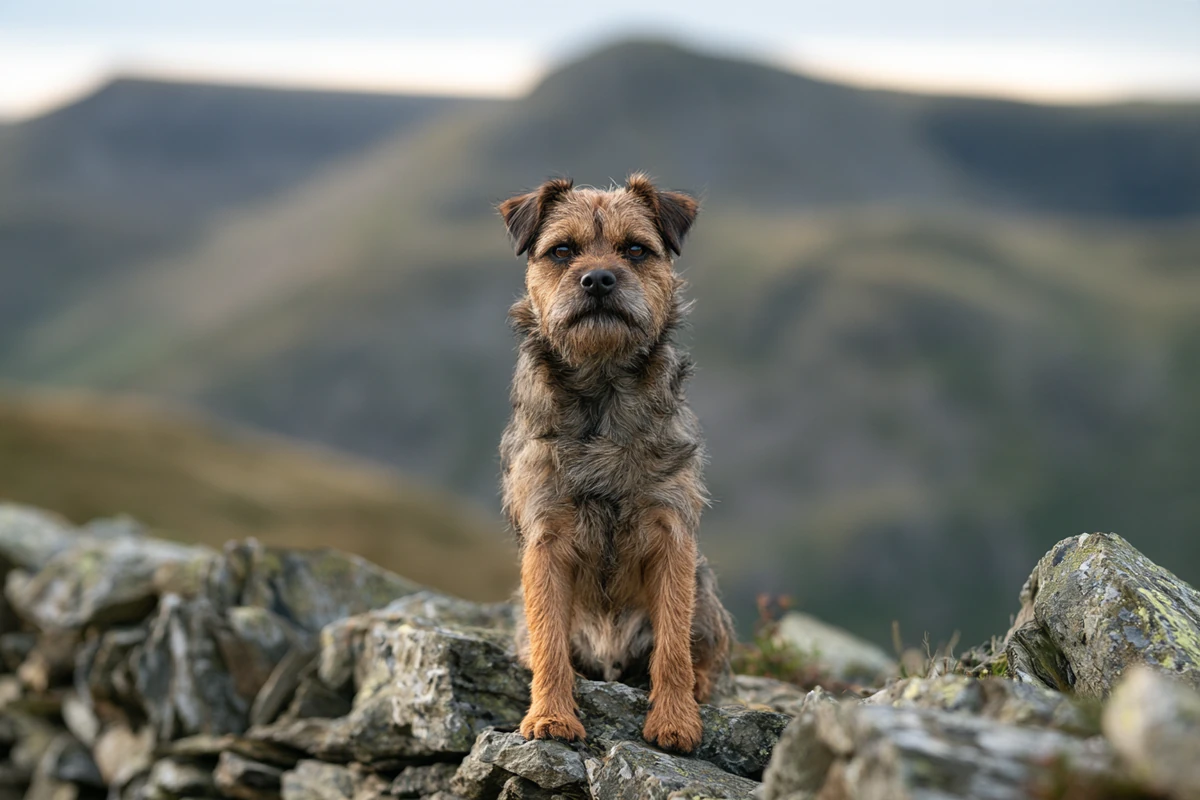
Advertise your Glen Of Imaal Terrier puppies, litters and stud dogs
Do you breed Glen of Imaal Terriers? List your kennel on caninebreeder.co.uk so buyers searching for Glen of Imaal Terrier puppies for sale, and breeders looking for a Glen of Imaal Terrier stud dog, can find you. In a vulnerable native breed every litter matters, so advertise planned litters, puppies and stud dogs and show your crd3 and eye results. A basic listing shows your kennel name, location, website, social media and categories, and paid plans unlock more showcase features. Add your listing or see pricing.
No breeders are listed here yet, so the first profiles get the page to themselves.
- Free basic profile: your breeder or company name, website, social media, location, breeds and industries.
- Litters and stud dogs advertised in their own sections, never mixed with puppies for sale.
- Premium showcase for your services and prices, previous customers, awards, video, gallery and health certificates, with your phone and email shown to buyers.
- Sponsored articles about your breed or industry, written and published by our team.
- Featured placement at the top of this page, labelled as sponsored.
Is it free to advertise here?
Yes. A breeder profile and your litter and stud dog adverts are free. Premium profiles, featured placement and sponsored articles are optional paid extras; see pricing.
Do I need a licence to advertise puppies?
In England you need a dog breeding licence from your council if you breed three or more litters in 12 months or breed and sell dogs as a business, and Wales, Scotland and Northern Ireland have their own schemes. Licensed breeders show their licence number and issuing council on every advert. Puppies must be at least eight weeks old before they go to new homes.
Is my listing already here?
We add licensed breeders from councils' public registers. Search for your kennel name; if it is listed you can claim it and edit everything.
About the Glen Of Imaal Terrier
The Glen of Imaal Terrier is an Irish breed from County Wicklow, and The Royal Kennel Club places it in the Terrier group. The RKC says it was developed there to hunt badger from a terrier type known locally since the 17th century, and that the Irish Kennel Club recognised it at Dublin's St Patrick's Day show in 1934. Until badger trials were banned in 1966, a Glen had to earn a working certificate before it could become a champion. The breed may share ancestry with the Soft Coated Wheaten, Kerry Blue and Irish Terriers. The Glen of Imaal Terrier Association adds that it was an all-purpose farm dog that guarded crops, herded stock and killed vermin. The Glen is on the RKC's vulnerable native breeds list, for breeds with fewer than 300 registrations a year; there were 61 in 2025. Browse other terrier breeders, the Irish Terrier, Kerry Blue Terrier and Soft Coated Wheaten Terrier, or our page on vulnerable native breeds.
Size and build. The RKC classes it as small, yet the breed standard describes a medium-sized terrier of great strength and substance, longer in body than it is tall, with 35 to 36 cm (14 in) at the shoulder as the maximum height. The forelegs are short and slightly bowed, and the association describes Glens as long, low and quite chunky.
Coat and grooming. The coat is medium length and harsh, over a soft undercoat, in blue, brindle or any shade of wheaten. The RKC lists it as non-shedding and suggests grooming more than once a week. The association's grooming guide recommends regular combing to stop the undercoat matting, and hand stripping about every nine to twelve months, expected for the show ring but optional for pets. See our page on low-shedding breeds.
Exercise. The RKC suggests up to an hour a day, lists a small house with a small to medium garden, and names the country rather than town as the better setting. Because Glens are slow to mature, the association's puppy exercise advice is to keep outings short, avoid stairs and jumping off furniture, and replace long sessions of throwing toys with scent and puzzle games.
Temperament and suitability. The standard asks for a game, spirited dog with great courage when called upon but otherwise gentle and docile, and silent when working. The RKC gives a lifespan of over ten years.
Glen Of Imaal Terrier health tests
The RKC Glen of Imaal Terrier page sets out brief requirements under the Health Standard. Good practice is to prioritise genetic diversity, which carries extra weight in a vulnerable breed that recorded between 36 and 115 RKC registrations a year from 2016 to 2025. Best practice adds the DNA test for progressive retinal atrophy (PRA crd3) and eye examination under the BVA/KC/ISDS Eye Scheme. The crd3 test is the only one in the RKC's DNA testing package for the breed. The Glen is in Breed Watch Category 1, meaning no conformation-related concerns are flagged for judges.
The Glen of Imaal Terrier Association's health page explains that crd3 is late onset, with sight lost later in life, and that the DNA test shows a dog as clear, carrier or affected. Its code of ethics requires parents to be DNA tested unless hereditarily clear and asks that carriers and affected dogs are mated only to clear partners. The association and the Enthusiasts and Fanciers of the Glen, the two UK breed clubs, are working with the RKC and its geneticists to find out how common degenerative myelopathy, a spinal disease affecting the hind legs, is in the breed; this is not an RKC requirement. Its general health page also covers elbows, hip scoring and seasonal hair loss in bitches.
- Prioritising genetic diversity (RKC good practice)
- DNA test: progressive retinal atrophy, PRA crd3 (RKC best practice)
- BVA/KC/ISDS Eye Scheme (RKC best practice)
- Breed Watch: Category 1
Choosing a Glen Of Imaal Terrier breeder
With so few Glen litters born each year, expect a good breeder to take time getting to know you, and be prepared to wait. The Glen of Imaal Terrier Association urges buyers to see an adult Glen before choosing a puppy, as the breed is short but surprisingly chunky, and says it only recommends puppies from parents of sound temperament that have had the relevant DNA testing. Your puppy should come with RKC registration papers showing the parents' DNA and eye status, a three- or five-generation pedigree, a diet sheet, and a sales contract and receipt. Under the association's code of ethics, members do not sell to commercial dealers, give written advice on diet and responsible ownership, and help rehome a dog if circumstances change. A good breeder should also explain how to protect a growing Glen's joints. In England a council licence is needed to breed three or more litters in 12 months and sell any puppies, or to run a business breeding and advertising dogs, and the licence number must appear in adverts. Check the parents on the RKC Health Test Results Finder and read our buyer safety guide.
- Have both parents been DNA tested for PRA crd3, and what were the results?
- When were the parents last examined under the BVA/KC/ISDS Eye Scheme?
- What is the coefficient of inbreeding for this mating, and how does it compare with the breed average?
- Can I meet the mother, and how would you describe both parents' temperaments?
- How should I exercise the puppy while it grows, and will you help if the dog ever needs a new home?
Glen Of Imaal Terrier questions
Is the Glen of Imaal Terrier a rare breed?
It is uncommon in the UK. The Royal Kennel Club lists it as a vulnerable native breed, a category for breeds with fewer than 300 registrations a year. There were 61 in 2025, and the yearly figure has not gone above 115 since 2016, so expect to wait for a puppy.
How much exercise does a Glen of Imaal Terrier need?
The RKC suggests up to an hour a day for an adult. The Glen of Imaal Terrier Association advises building up gradually in puppies, avoiding stairs and jumping off furniture, and using scent or puzzle games rather than long sessions of throwing toys, because the breed is slow to mature.
Does a Glen of Imaal Terrier need hand stripping?
The RKC lists the coat as non-shedding and suggests grooming more than once a week. The breed association recommends regular combing and says a Glen typically needs stripping every nine to twelve months, which is expected for showing but optional for pets.
What health tests should Glen of Imaal Terrier parents have?
The RKC asks breeders to prioritise genetic diversity and, as best practice, to DNA test for PRA crd3 and have the eyes examined under the BVA/KC/ISDS Eye Scheme. The two UK breed clubs are also working with the RKC to find out how common degenerative myelopathy is in the breed, but this is not an RKC requirement.
More for Glen Of Imaal Terrier owners and breeders
- Glen Of Imaal Terrier: breeders
- Glen Of Imaal Terrier: puppies for sale
- Glen Of Imaal Terrier: stud dogs
- All Terrier group breeds
- Vulnerable native breeds
Official sources
- Glen of Imaal Terrier breed information u2013 The Royal Kennel Club
- Glen of Imaal Terrier breed standard u2013 The Royal Kennel Club
- Vulnerable native breeds u2013 The Royal Kennel Club
- Glen of Imaal Terrier DNA testing package u2013 The Royal Kennel Club
- The Royal Kennel Club Health Standard
- Breed Watch Category 1 u2013 The Royal Kennel Club
- Health Test Results Finder u2013 The Royal Kennel Club
- Inbreeding coefficient calculators u2013 The Royal Kennel Club
- Using your dog as a stud u2013 The Royal Kennel Club
- Glen of Imaal Terrier Association
- The breed u2013 Glen of Imaal Terrier Association
- Puppies u2013 Glen of Imaal Terrier Association
- Puppy exercise u2013 Glen of Imaal Terrier Association
- Meet a Glen u2013 Glen of Imaal Terrier Association
- Grooming u2013 Glen of Imaal Terrier Association
- Code of ethics u2013 Glen of Imaal Terrier Association
- Glen health u2013 Glen of Imaal Terrier Association
- General health u2013 Glen of Imaal Terrier Association
- Eye Scheme u2013 British Veterinary Association
- Dog breeding licence (England) u2013 GOV.UK