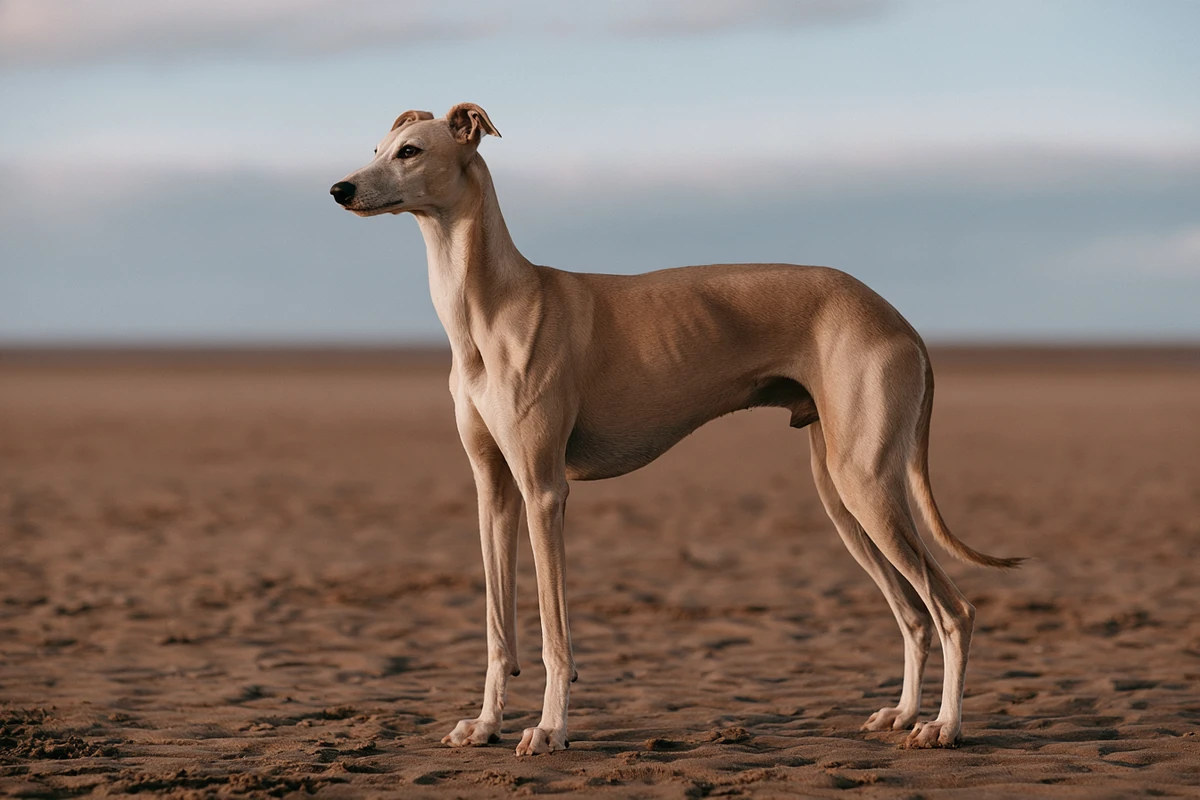
Advertise your Griffon Fauve De Bretagne puppies, litters and stud dogs
Do you breed Griffon Fauve de Bretagnes? Because the breed is still on the RKC Imported Breed Register, buyers can find it hard to locate a UK breeder. List your kennel on caninebreeder.co.uk to advertise Griffon Fauve de Bretagne puppies for sale, share planned litters, or promote a Griffon Fauve de Bretagne stud dog to other owners. Your basic profile shows your kennel or company name, location, website, social media and categories, so buyers can contact you directly. Add your listing or see our pricing.
No breeders are listed here yet, so the first profiles get the page to themselves.
- Free basic profile: your breeder or company name, website, social media, location, breeds and industries.
- Litters and stud dogs advertised in their own sections, never mixed with puppies for sale.
- Premium showcase for your services and prices, previous customers, awards, video, gallery and health certificates, with your phone and email shown to buyers.
- Sponsored articles about your breed or industry, written and published by our team.
- Featured placement at the top of this page, labelled as sponsored.
Is it free to advertise here?
Yes. A breeder profile and your litter and stud dog adverts are free. Premium profiles, featured placement and sponsored articles are optional paid extras; see pricing.
Do I need a licence to advertise puppies?
In England you need a dog breeding licence from your council if you breed three or more litters in 12 months or breed and sell dogs as a business, and Wales, Scotland and Northern Ireland have their own schemes. Licensed breeders show their licence number and issuing council on every advert. Puppies must be at least eight weeks old before they go to new homes.
Is my listing already here?
We add licensed breeders from councils' public registers. Search for your kennel name; if it is listed you can claim it and edit everything.
About the Griffon Fauve De Bretagne
Origin and purpose
The Griffon Fauve de Bretagne is a rough-coated French scent hound in the Hound group of the Royal Kennel Club (RKC). It comes from Brittany, the same region as the smaller Basset Fauve de Bretagne, and the two share a rough, red wheaten coat. The RKC records that the breed was used to hunt wolves from the 14th century. Its numbers fell as wolves disappeared, and in 1949 a small group of enthusiasts set about reviving it.
In the UK the RKC lists the breed as Griffon Fauve De Bretagne (Imp). The suffix marks the Imported Breed Register, where newly recognised breeds stay until the RKC judges them established enough for the main Breed Register, and the RKC calls the breed a relative newcomer to UK show rings. Dogs on this register can compete in working trials, obedience, agility, flyball and rally, but at shows they are limited to certain classes, matches and companion dog shows.
Size, coat and grooming
The breed standard describes a strongly built, muscular and active hound, a little longer than it is tall and made for hunting over difficult ground. Height is 48 to 56 cm (19 to 22 in), with a 2 cm tolerance. The standard wants a harsh, rough coat of fairly short length, with no woolliness or curl and no obvious trimming. The RKC breed page lists fawn, golden fawn, red and red fawn as breed standard colours. It classes the breed as medium sized, notes that it sheds, and suggests grooming about once a week.
Exercise and home
RKC guidance is up to an hour of exercise a day. It suggests a country setting with a small to medium garden, and says a small house can suit. Life expectancy is given as over 10 years.
Temperament and suitability
The standard describes a gentle, sociable and affectionate temperament, and a brave, adaptable hunter with a keen nose and a voice it uses freely. It suits owners who are happy with a hound that gives voice and who can give it regular chances to use its nose. In England and Wales the Hunting Act 2004 bans hunting wild mammals with dogs, apart from limited exemptions, so owners may look instead to RKC activities such as working trials. Browse other hound breeders or read our buyer safety guide before you start looking.
Griffon Fauve De Bretagne health tests
The RKC's pre-breeding list for the Griffon Fauve de Bretagne contains no DNA tests or screening schemes, and the RKC does not offer a breed-specific DNA testing package, although individual DNA tests are available. Its only pre-breeding advice, at Good Practice level, is to prioritise genetic diversity. For a breed still on the Imported Breed Register, that means checking the coefficient of inbreeding (COI) of every planned mating with the RKC's online COI lookup, aiming at or below the breed's annual average, and avoiding heavy use of a few popular stud dogs. The RKC's breeding for health framework names support for genetic diversity in small populations as one of its 2026 priorities.
The breed is in Breed Watch Category 1, meaning no breed-specific points of concern have been flagged for show judges, and the RKC lists no additional breed-specific breeding restrictions. Breeders may also choose voluntary screening, such as hip scoring under the BVA/KC Hip Dysplasia Scheme, which accepts dogs of any breed from one year old. Ask what has been done and look up registered dogs on the RKC Health Test Results Finder. Screening reduces risk but cannot guarantee a puppy's future health.
Health tests and schemes for the Griffon Fauve de Bretagne (RKC):
- Prioritising genetic diversity (RKC Good Practice), for example checking the COI of a planned mating with the RKC inbreeding coefficient calculator
- No breed-specific RKC DNA testing package is currently offered
- Breed Watch: Category 1
- No additional breed-specific breeding restrictions
Choosing a Griffon Fauve De Bretagne breeder
Griffon Fauve de Bretagne litters are hard to find in the UK, so expect to wait and possibly to travel. When we checked in September 2026 the RKC Find a Puppy search showed no litters, and the RKC notes that for breeds on the Imported Breed Register its services do not yet include breeder, judge or club details. A careful breeder will register the litter with the RKC, explain how they chose the stud with genetic diversity in mind and tell you the COI of the mating. They will be open about any voluntary screening on the parents, let you see the puppies with their mother, and ask about your home, your routine and how you feel about a hound that uses its voice. In England, anyone who breeds three or more litters in any 12-month period and sells any of the puppies, or runs a business that breeds and advertises dogs for sale, needs a licence from their local council and must show the licence number in adverts. Our buyer safety guide sets out the paperwork to expect.
Questions to ask a Griffon Fauve de Bretagne breeder:
- What is the coefficient of inbreeding for this mating, and how does it compare with the breed average?
- Will the litter be registered with the RKC, and when will I receive the paperwork?
- Have the parents had any voluntary health screening, and where can I see the results?
- Can I see the puppies with their mother, and how are they being socialised?
- How do your adult dogs behave off lead and around other pets, and how much exercise do they get?
Griffon Fauve De Bretagne questions
Is the Griffon Fauve de Bretagne recognised by the Royal Kennel Club?
Yes. It is in the Hound group and is on the RKC Imported Breed Register, which is why the RKC lists it as Griffon Fauve De Bretagne (Imp). Dogs on that register can compete in activities such as working trials, obedience, agility and rally, but at shows they are limited to certain classes, matches and companion dog shows until the breed moves to the main Breed Register.
How big is a Griffon Fauve de Bretagne?
The breed standard gives a height of 48 to 56 cm (19 to 22 in), with a 2 cm tolerance. The RKC classes it as a medium-sized breed. The standard describes the ideal, so individual dogs may be larger or smaller.
How much exercise and grooming does the breed need?
RKC guidance is up to an hour of exercise a day and grooming about once a week. The coat is rough and harsh and sheds, and the breed standard asks for no obvious signs of trimming.
What health tests should the parents have?
The RKC lists no breed-specific DNA tests or screening schemes. Its Good Practice advice is to prioritise genetic diversity, so ask for the coefficient of inbreeding of the mating. The breed is in Breed Watch Category 1. Some breeders also choose voluntary screening such as BVA/KC hip scoring.
More for Griffon Fauve De Bretagne owners and breeders
- Griffon Fauve De Bretagne: breeders
- Griffon Fauve De Bretagne: puppies for sale
- Griffon Fauve De Bretagne: stud dogs
- All Hound group breeds
Official sources
- Griffon Fauve De Bretagne (Imp) breed information - Royal Kennel Club
- Griffon Fauve De Bretagne (Imp) breed standard - Royal Kennel Club
- Imported Breed Register policy - Royal Kennel Club
- Find a Puppy: Griffon Fauve De Bretagne (Imp) - Royal Kennel Club
- Breed Watch Category 1 - Royal Kennel Club
- Manage and maintain genetic diversity - Royal Kennel Club
- Inbreeding Coefficient (COI) lookup - Royal Kennel Club
- Health Test Results Finder - Royal Kennel Club
- Breeding for health framework - Royal Kennel Club
- Hip scheme (BVA/KC Hip Dysplasia Scheme) - British Veterinary Association
- Dog breeding licence (England) - GOV.UK