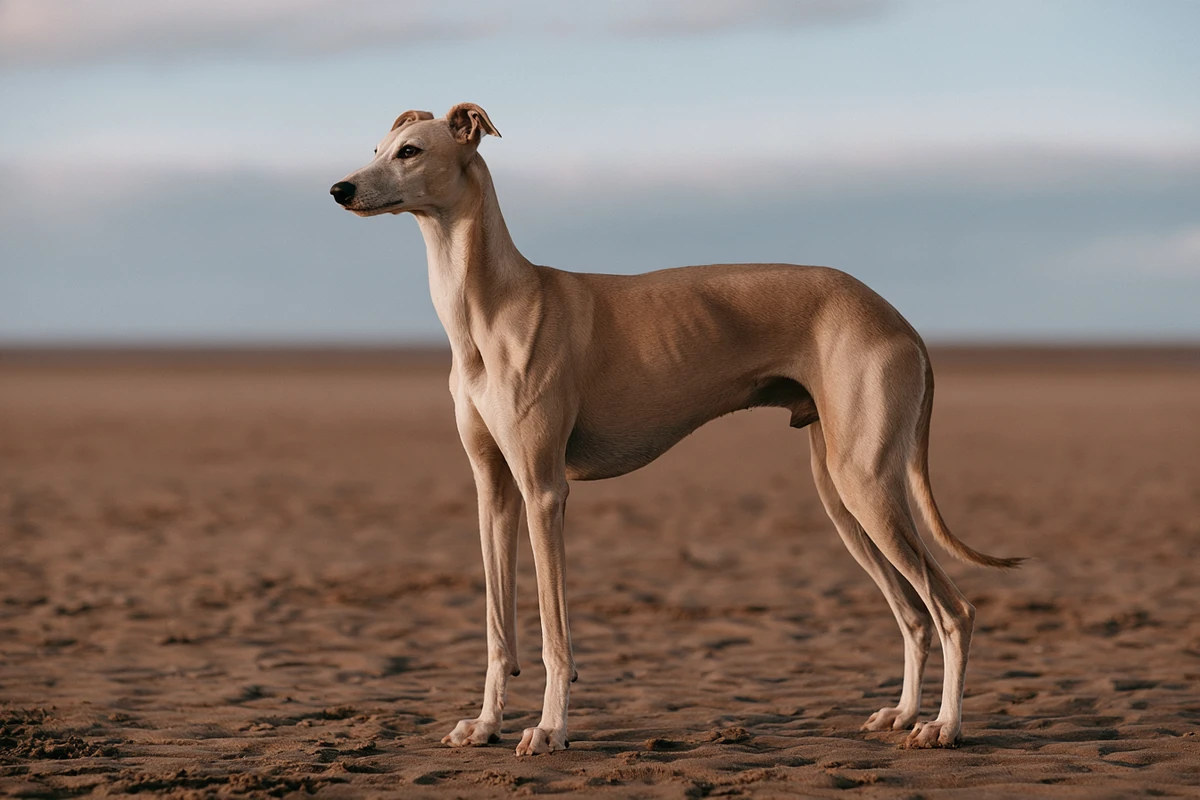
Advertise your Bloodhound stud dog
Offer your Bloodhound at stud to owners of health-tested bitches. Show his registration, health test results and achievements, and link the listing to your free breeder profile.
No breeders are listed here yet, so the first profiles get the page to themselves.
- Free basic profile: your breeder or company name, website, social media, location, breeds and industries.
- Litters and stud dogs advertised in their own sections, never mixed with puppies for sale.
- Premium showcase for your services and prices, previous customers, awards, video, gallery and health certificates, with your phone and email shown to buyers.
- Sponsored articles about your breed or industry, written and published by our team.
- Featured placement at the top of this page, labelled as sponsored.
Is it free to advertise here?
Yes. A breeder profile and your litter and stud dog adverts are free. Premium profiles, featured placement and sponsored articles are optional paid extras; see pricing.
Do I need a licence to advertise puppies?
In England you need a dog breeding licence from your council if you breed three or more litters in 12 months or breed and sell dogs as a business, and Wales, Scotland and Northern Ireland have their own schemes. Licensed breeders show their licence number and issuing council on every advert. Puppies must be at least eight weeks old before they go to new homes.
Is my listing already here?
We add licensed breeders from councils' public registers. Search for your kennel name; if it is listed you can claim it and edit everything.
Using a Bloodhound stud dog
In a small population, choosing a Bloodhound stud dog means weighing health results and genetic diversity together. Before agreeing a mating, ask to see the stud's BVA/KC hip and elbow scores and a current BVA/KC/ISDS eye certificate, and confirm them on the RKC Health Test Results Finder. Check that he is RKC registered so the litter can be registered too. Run the pairing through the RKC's online inbreeding coefficient calculator, which shows the breed average alongside each result; the RKC advises aiming at or below that average. With the Breed Watch points of concern in mind, look closely at the stud's eyelids, skin, rear movement and temperament. Heart screening and a DM DNA result are useful extras that the breed club encourages. Agree the stud fee and any repeat-mating terms in writing before the bitch is due.
Health tests for a Bloodhound stud
The RKC recommends pre-breeding screening in two tiers. It strongly recommends the Good Practice tier as a minimum: prioritising genetic diversity, plus hip and elbow scoring. The Best Practice tier adds an eye examination, and the RKC says responsible breeders should complete both. There is no breed-specific RKC DNA testing package for the Bloodhound and no additional breed-specific breeding restrictions.
The Bloodhound is in Breed Watch Category 2. The Bloodhound Club reports that the breed moved there from Category 3 on 1 January 2025, and that the RKC highlighted low uptake of hip and elbow scoring and some concerns about temperament. The points judges are asked to look for are eyelids turned inwards or outwards, excessive skin on the head or body, dermatitis in skin folds, nervous temperament, and incorrect hind conformation or poor rear movement.
The Bloodhound Club's surveys identify cancer and gastric torsion (bloat) as the main causes of death, and the club warns that bloat is usually fatal unless a vet is called at once. The Bloodhound Joint Breed Health Group also covers skin conditions and eyelid problems such as entropion and ectropion, and the club lists heart testing and a DNA test for degenerative myelopathy (DM) among the checks responsible breeders like to carry out.
- BVA/KC Hip Dysplasia Scheme (RKC Good Practice)
- BVA/KC Elbow Dysplasia Scheme (RKC Good Practice)
- Prioritising genetic diversity, for example with the RKC inbreeding coefficient calculator (RKC Good Practice)
- BVA/KC/ISDS Eye Scheme (RKC Best Practice)
- Breed Watch: Category 2
- Status: RKC vulnerable native breed
More for Bloodhound owners and breeders
- Bloodhound: breeders
- Bloodhound: puppies for sale
- Bloodhound: stud dogs
- All Hound group breeds
- Trailing dogs and bloodhound trailing
- Vulnerable native breeds
Official sources
- Bloodhound breed profile - The Royal Kennel Club
- Bloodhound breed standard - The Royal Kennel Club
- Bloodhound - Breed Watch Category 2 - The Royal Kennel Club
- Bloodhound working trials - The Royal Kennel Club
- Vulnerable British and Irish native breeds competition returns in 2025 - The Royal Kennel Club
- The Bloodhound Club
- Considering a Bloodhound - The Bloodhound Club
- Health information - The Bloodhound Club
- Association of Bloodhound Breeders
- Bloodhound Joint Breed Health Group
- BVA/KC Hip Dysplasia Scheme - BVA
- BVA/KC Elbow Dysplasia Scheme - BVA
- BVA/KC/ISDS Eye Scheme - BVA
- Health Test Results Finder - The Royal Kennel Club
- Inbreeding coefficient calculators - The Royal Kennel Club
- Dog breeding licence (England) - GOV.UK