
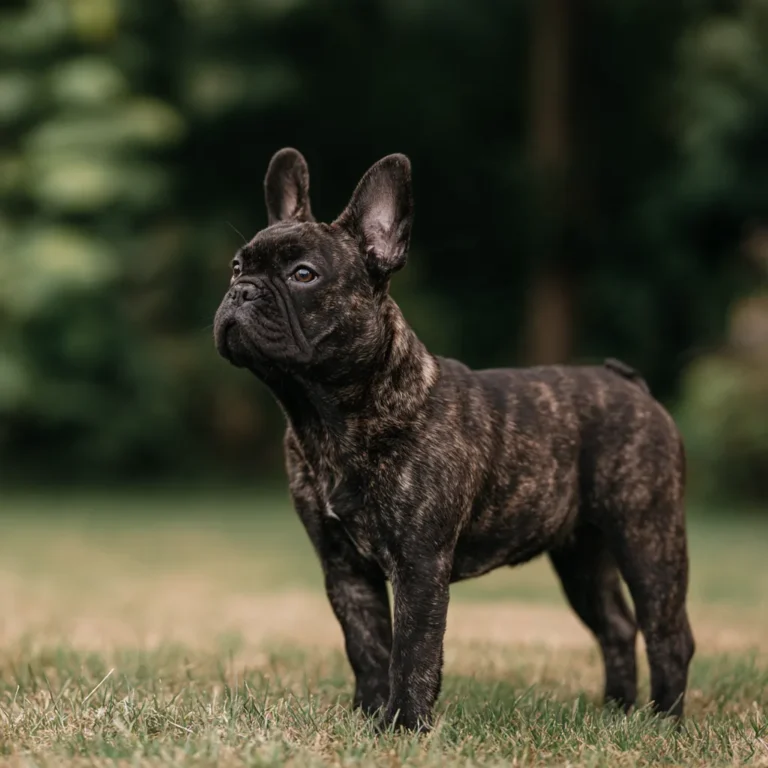
No French Bulldog stud dogs are listed right now
14 breeders list the French Bulldog. Ask them if they have a stud dog.
French Bulldog breeders
- Bulldog · French BulldogSpecialities: not listed yet
Colourbulls UK
Berkshire - French Bulldog · PugSpecialities: Companion and family dogs
Prestons K9 Fertility Services Limited
Preston, Lancashire - Cavapoo · Cockapoo · Cavalier King Charles Spaniel +6Specialities: Companion and family dogsMixed breeder
Cuckoo K9 LTD
Eastleigh, Hampshire - French BulldogSpecialities: not listed yetLicensed breeder
Atikan Frenchies & Dachshunds
Dalry, North Ayrshire - French BulldogSpecialities: not listed yetLicensed breeder
Amity French Bulldogs
Dumfries and Galloway - French BulldogSpecialities: not listed yetLicensed breeder5-star licence
Badbear Frenchies
Maghull, Merseyside - Bulldog · French Bulldog · Jack Russell Terrier +2Specialities: not listed yetLicensed breeder3-star licence
Marhol Kennels
North Northamptonshire, Northamptonshire - Cocker Spaniel · French Bulldog · German Shepherd Dog +3Specialities: not listed yetLicensed breeder5-star licence
Archfairy
Chesterfield, Derbyshire



14 listed. See all
Do you breed the French Bulldog? Add a stud dog free.
Using a French Bulldog stud dog
French Bulldog stud dogs on this page are advertised by their owners. Before booking, ask for the dog's grade under the Respiratory Function Grading Scheme and the date he was assessed. The RKC advises that, ideally, both parents of a litter should have been graded, publishes a colour-coded guide to the risk of each pairing of grades and does not recommend breeding from grade 3. Ask too for his HC-HSF4-2 hereditary cataract DNA result and any hip, elbow and eye scheme results, and check them on the RKC Health Test Results Finder. Make sure he is RKC registered and a breed standard colour, remembering that the RKC will not register merle puppies. Use the RKC inbreeding coefficient calculator to see how closely he is related to your bitch. Put the fee, the number of matings and the terms if no litter results in writing before the mating.
Health tests for a French Bulldog stud
As a brachycephalic (flat-faced) breed, the French Bulldog is at risk of brachycephalic obstructive airway syndrome (BOAS), a lifelong, progressive breathing problem that can limit exercise, play, eating and sleep. The RKC also highlights skin fold infections, overcrowded teeth and eye problems linked to shallow eye sockets.
The RKC's minimum Good Practice test is the Respiratory Function Grading Scheme, which it runs jointly with the University of Cambridge. A specially trained vet listens to the dog's breathing at rest and again after three minutes of brisk exercise, then grades it from 0 (no signs) to 3 (severe signs). The RKC does not recommend breeding from a grade 3 dog. Grading is available from 12 months of age, with a repeat assessment advised every two years while the dog is used for breeding. Best Practice adds a hereditary cataract DNA test and hip, elbow and eye screening.
The breed has been in Breed Watch Category 3 since 1 January 2025. Points of concern for show judges include signs of breathing difficulty, pinched nostrils, protruding eyes, skin fold dermatitis, a short neck, an exaggerated roach back, an excessively undershot jaw, and tails that are too short, screwed, inverted or tight. Testing lowers risk but cannot guarantee a healthy puppy.
Health tests and schemes for the French Bulldog (RKC):
- Respiratory Function Grading Scheme, for BOAS (RKC Good Practice, the minimum)
- DNA test for hereditary cataracts (HC-HSF4-2) (RKC Best Practice)
- BVA/KC Hip Dysplasia Scheme (RKC Best Practice)
- BVA/KC Elbow Dysplasia Scheme (RKC Best Practice)
- BVA/KC/ISDS Eye Scheme (RKC Best Practice)
- Breed Watch: Category 3
- Breed club: French Bulldog Club of England Health Scheme (Bronze, Silver and Gold levels)
More for French Bulldog owners and breeders
- French Bulldog: breeders
- French Bulldog: puppies for sale
- French Bulldog: stud dogs
- All Utility group breeds
Official sources
- French Bulldog breed information - Royal Kennel Club
- French Bulldog breed standard - Royal Kennel Club
- French Bulldog Breed Watch Category 3 - Royal Kennel Club
- Breed Watch (health and welfare of show dogs) - Royal Kennel Club
- Respiratory Function Grading Scheme - Royal Kennel Club
- Brachycephalic breeds hub - Royal Kennel Club
- Buying a flat-faced puppy - Royal Kennel Club
- Rare and unusual colours - Royal Kennel Club
- The French Bulldog Club of England
- Health - The French Bulldog Club of England
- French Bulldog Health Scheme information - The French Bulldog Club of England
- Buying a puppy - The French Bulldog Club of England
- BVA/KC Hip Dysplasia Scheme - British Veterinary Association
- BVA/KC Elbow Dysplasia Scheme - British Veterinary Association
- BVA/KC/ISDS Eye Scheme - British Veterinary Association
- Health Test Results Finder - Royal Kennel Club
- Inbreeding coefficient calculator - Royal Kennel Club
- Dog breeding licence (England) - GOV.UK