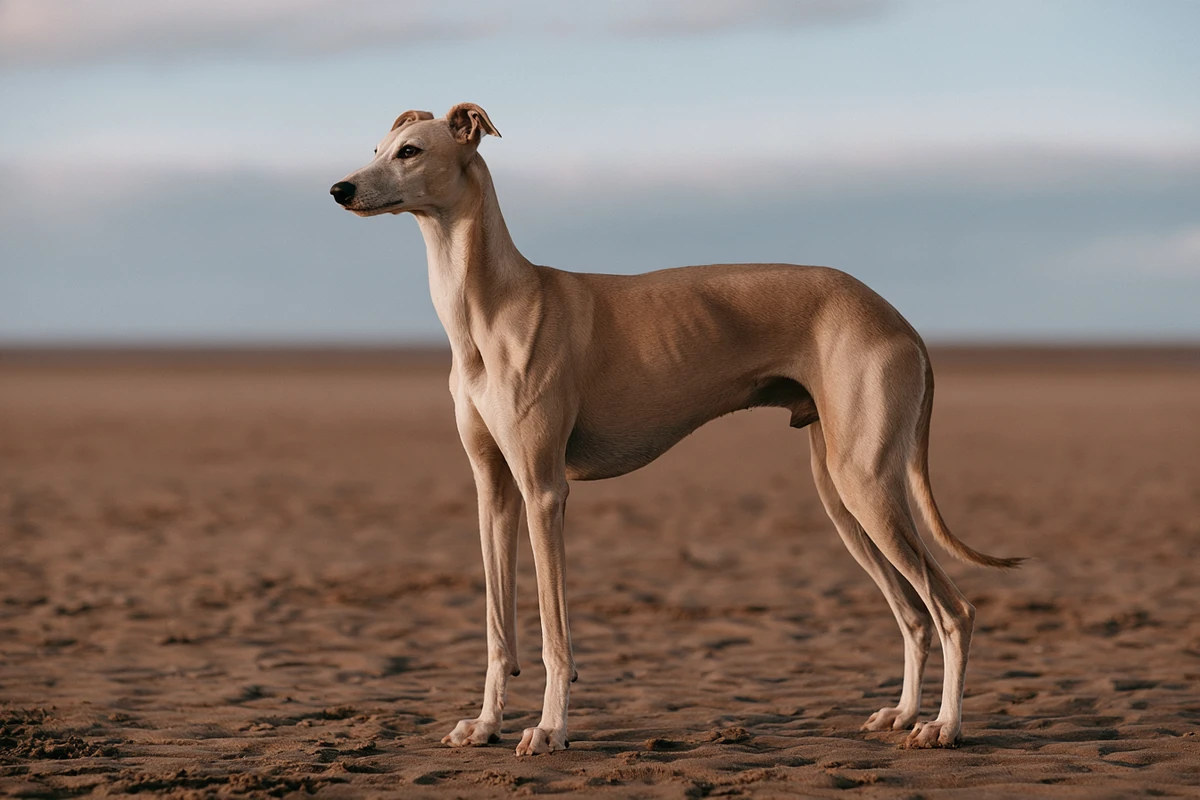
Advertise your Miniature Wire Haired Dachshund stud dog
Offer your Miniature Wire Haired Dachshund at stud to owners of health-tested bitches. Show his registration, health test results and achievements, and link the listing to your free breeder profile.
No breeders are listed here yet, so the first profiles get the page to themselves.
- Free basic profile: your breeder or company name, website, social media, location, breeds and industries.
- Litters and stud dogs advertised in their own sections, never mixed with puppies for sale.
- Premium showcase for your services and prices, previous customers, awards, video, gallery and health certificates, with your phone and email shown to buyers.
- Sponsored articles about your breed or industry, written and published by our team.
- Featured placement at the top of this page, labelled as sponsored.
Is it free to advertise here?
Yes. A breeder profile and your litter and stud dog adverts are free. Premium profiles, featured placement and sponsored articles are optional paid extras; see pricing.
Do I need a licence to advertise puppies?
In England you need a dog breeding licence from your council if you breed three or more litters in 12 months or breed and sell dogs as a business, and Wales, Scotland and Northern Ireland have their own schemes. Licensed breeders show their licence number and issuing council on every advert. Puppies must be at least eight weeks old before they go to new homes.
Is my listing already here?
We add licensed breeders from councils' public registers. Search for your kennel name; if it is listed you can claim it and edit everything.
Using a Miniature Wire Haired Dachshund stud dog
This page lists Miniature Wire Haired Dachshund stud dogs offered by UK owners. The first thing to check is the dog's Lafora DNA result. Dachshund Health UK says stud owners share responsibility for knowing the status of any visiting bitch and should refuse pairings that could produce affected puppies, since a carrier or affected dog mated to another carrier or affected dog can produce them. Ask too for the dog's grade under the RKC IVDD scheme, his cord1 PRA result and an eye certificate from within 12 months of the mating, as the RKC advises, and confirm them on the Health Test Results Finder. Check that he is registered with The Royal Kennel Club and use the RKC's online inbreeding coefficient calculator to keep the litter's inbreeding at or below the breed average. Do not mate two dapples; the RKC will not register the puppies. Put the fee and terms in writing.
Health tests for a Miniature Wire Haired Dachshund stud
The RKC lists two Good Practice tests. The first is spine screening for intervertebral disc disease (IVDD), in which spinal discs harden early and can herniate. In the breed council's DachsLife 2018 survey, cited by the RKC, 16.5% of Miniature Wires over three had IVDD reported. The IVDD scheme X-rays dogs aged 24 to 48 months and grades the spine from 0 to 3 by the number of calcified discs; the RKC notes that screening lowers risk but cannot guarantee an unaffected puppy.
The second is a DNA test for Lafora disease, an inherited, late-onset epilepsy that Dachshund Health UK identifies in Miniature Wires. Signs usually appear from about five years and include sudden jerking, which flashing lights, noise or movement near the head can trigger, and the disease may progress to wider neurological decline. It is recessive, and because it shows so late, testing all breeding stock before mating is the only reliable way to avoid affected puppies.
All three miniature varieties can also be affected by cord1 PRA, which can cause blindness; Dachshund Health UK also advises NPHP4 PRA (day blindness) testing for wires with Scandinavian pedigrees. The RKC places the variety in Breed Watch Category 2: judges watch for thin dogs, eye irritation, poor hind movement and inadequate ground clearance.
- Spine screening under the KC intervertebral disc disease (IVDD) screening scheme, supported by Dachshund Health UK (RKC Good Practice)
- DNA test for Lafora's disease (RKC Good Practice)
- DNA test for progressive retinal atrophy PRA (cord1) (RKC Best Practice)
- Eye testing under the BVA/KC/ISDS Eye Scheme (RKC Best Practice)
- Genetic diversity: check the pairing on the RKC inbreeding coefficient calculator
- Breed Watch: Category 2
- Colour Watch: Category 0 (no non-breed-standard colour registration options)
More for Miniature Wire Haired Dachshund owners and breeders
- Miniature Wire Haired Dachshund: breeders
- Miniature Wire Haired Dachshund: puppies for sale
- Miniature Wire Haired Dachshund: stud dogs
- All Hound group breeds
Official sources
- Dachshund (Miniature Wire Haired) breed information u2013 The Royal Kennel Club
- Dachshund (Miniature Wire Haired) breed standard u2013 The Royal Kennel Club
- Breed Watch: Dachshund (Miniature Wire Haired) Category 2 u2013 The Royal Kennel Club
- IVDD Scheme for Dachshunds u2013 The Royal Kennel Club
- DNA test: Lafora's disease u2013 The Royal Kennel Club
- DNA test: PRA (cord1) u2013 The Royal Kennel Club
- BVA/KC/ISDS Eye Screening Scheme u2013 The Royal Kennel Club
- BVA Eye Scheme
- Health Test Results Finder u2013 The Royal Kennel Club
- Inbreeding calculators u2013 The Royal Kennel Club
- Colour Watch u2013 The Royal Kennel Club
- Dachshund Health UK
- Lafora disease u2013 Dachshund Health UK
- Dachshund health priorities u2013 Dachshund Health UK
- Breeding from your Dachshund u2013 Dachshund Health UK
- UK Dachshund breed clubs u2013 Dachshund Breed Council
- The Wire Haired Dachshund Club
- Information and links u2013 The Wire Haired Dachshund Club
- The Miniature Dachshund Club
- Dog breeding licence (England) u2013 GOV.UK
- Get your dog or cat microchipped u2013 GOV.UK