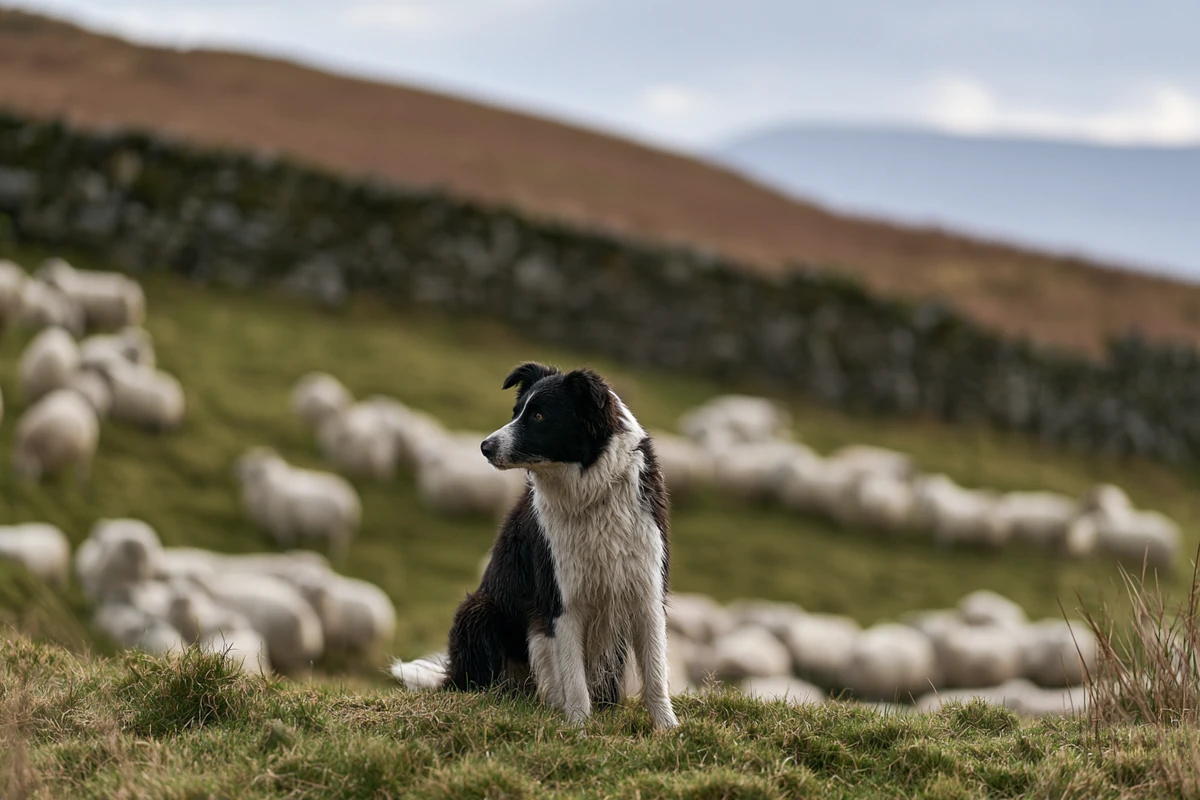
Advertise your Lancashire Heeler puppies, litters and stud dogs
Do you breed Lancashire Heelers? List your kennel on caninebreeder.co.uk so buyers searching for Lancashire Heeler puppies for sale, and breeders looking for a Lancashire Heeler stud dog, can find you. You can advertise planned litters, puppies and stud dogs and show your PLL, CEA and eye test results. A basic listing shows your kennel name, location, website, social media and categories, and paid plans unlock more showcase features. Add your listing or see pricing.
No breeders are listed here yet, so the first profiles get the page to themselves.
- Free basic profile: your breeder or company name, website, social media, location, breeds and industries.
- Litters and stud dogs advertised in their own sections, never mixed with puppies for sale.
- Premium showcase for your services and prices, previous customers, awards, video, gallery and health certificates, with your phone and email shown to buyers.
- Sponsored articles about your breed or industry, written and published by our team.
- Featured placement at the top of this page, labelled as sponsored.
Is it free to advertise here?
Yes. A breeder profile and your litter and stud dog adverts are free. Premium profiles, featured placement and sponsored articles are optional paid extras; see pricing.
Do I need a licence to advertise puppies?
In England you need a dog breeding licence from your council if you breed three or more litters in 12 months or breed and sell dogs as a business, and Wales, Scotland and Northern Ireland have their own schemes. Licensed breeders show their licence number and issuing council on every advert. Puppies must be at least eight weeks old before they go to new homes.
Is my listing already here?
We add licensed breeders from councils' public registers. Search for your kennel name; if it is listed you can claim it and edit everything.
About the Lancashire Heeler
The Lancashire Heeler is a small, sturdy cattle dog from north-west England and a member of The Royal Kennel Club's (RKC) Pastoral group. The RKC says the breed is thought to come from crosses between Welsh Corgis and Manchester Terriers, made in the days when cattle were driven from Wales to the markets around Ormskirk, and it was known locally as the Ormskirk Heeler. From the corgi it took its low build and heeling instinct, and from the terrier the dark "thumb marks" on its front legs. The Lancashire Heeler Club describes heelers nipping at the back of the herd to drive cattle on while collies worked the flanks, and farmers also kept them as ratters. The club was formed in the 1970s and wrote a breed standard in 1978.
A vulnerable native breed. The Lancashire Heeler is on the RKC's list of vulnerable native breeds, British and Irish breeds with fewer than 300 registrations a year. The RKC recorded 92 registrations in 2025 and 75 in 2024. Our vulnerable native breeds page explains why these numbers matter.
Size and build. The breed standard asks for a small, powerful, sturdily built worker, slightly longer than it is tall, with an ideal height of 30 cm for dogs and 25 cm for bitches. The ears are erect or carried with an alert lift, and the natural tail curves over the back when the dog is alert.
Coat and grooming. A short, hard, flat, weather-resistant topcoat covers a fine undercoat. The accepted colours are black and tan or liver and tan. The RKC suggests grooming once a week and notes that the breed sheds.
Exercise and temperament. The RKC suggests up to an hour of exercise a day and says the breed can live in a flat, in town or country, with a small to medium garden. The standard describes a courageous, happy dog that is affectionate to its owner and combines cattle-working instincts with a terrier's interest in rabbits and rats, so secure fencing and a reliable recall are worth planning for. The RKC gives a lifespan of over 12 years, and the club says many heelers reach 15 or more.
See also our Manchester Terrier, Cardigan Welsh Corgi and Pembroke Welsh Corgi guides, and our pages on droving and heritage herding breeds and flat-friendly dogs.
Lancashire Heeler health tests
The RKC's health guidance lists two Good Practice measures for the Lancashire Heeler, the minimum it strongly recommends before breeding: prioritising genetic diversity and an eye examination under the BVA/KC/ISDS Eye Scheme. Its Best Practice level adds DNA tests for primary lens luxation (PLL) and Collie eye anomaly/choroidal hypoplasia (CEA/CH). Both conditions are recessive, so a puppy is affected only if it inherits the faulty gene from both parents. In PLL the lens can slip out of place, leading to glaucoma and loss of sight; the RKC says complete luxation usually happens between three and eight years of age. CEA is present from birth, and most affected dogs keep normal vision, but the RKC warns that mildly affected dogs can produce severely affected puppies.
The BVA's 2026 list of known inherited eye diseases names CEA and PLL for this breed, and its litter screening checklist includes the breed for CEA, with puppies examined at 5 to 12 weeks. The RKC advises an adult eye test in the 12 months before mating. Both breed clubs, the Lancashire Heeler Club and the Lancashire Heeler Association, also mention persistent pupillary membrane, hereditary cataract and patellar luxation, which the DNA tests above do not cover. The breed is in Breed Watch Category 1, and the RKC lists no extra breed-specific breeding restrictions.
- Prioritising genetic diversity: check the inbreeding coefficient before mating (RKC Good Practice)
- BVA/KC/ISDS Eye Scheme, adult examination within 12 months before mating (RKC Good Practice)
- DNA test for primary lens luxation (PLL) (RKC Best Practice)
- DNA test for Collie eye anomaly/choroidal hypoplasia (CEA/CH) (RKC Best Practice)
- Breed Watch: Category 1
Choosing a Lancashire Heeler breeder
The RKC has registered fewer than 150 Lancashire Heelers in every year of the last decade, so litters are few and a waiting list is normal. A careful breeder will know the PLL and CEA DNA status of both parents before the mating and will show you a current eye certificate for each; you can check any registered dog on the RKC Health Test Results Finder. The Lancashire Heeler Association's code of ethics asks members to tell buyers the PLL and CEA status of their puppies. In a small population relatedness matters too, so ask about the inbreeding coefficient of the mating. Both RKC-listed breed clubs, the Lancashire Heeler Club and the Lancashire Heeler Association, publish lists of member breeders, and the Association points out that a listing is not an endorsement. The puppy must be microchipped and registered by eight weeks old (GOV.UK), and in England anyone breeding three or more litters in any 12 months and selling any of the puppies needs a council breeding licence. Read our buyer safety guide before paying anything.
- Are both parents DNA tested for PLL and CEA, and what does that mean for the puppies?
- When were the parents last eye tested, and was the litter screened for CEA?
- What is the inbreeding coefficient of this mating, and how does it compare with the breed average?
- Has patellar luxation or any eye problem appeared in the parents' close relatives?
- Will the puppy be RKC registered, and will you take it back at any age if I cannot keep it?
Lancashire Heeler questions
Is the Lancashire Heeler a rare breed?
Yes. The Royal Kennel Club lists it as a vulnerable native breed, meaning a British or Irish breed with fewer than 300 registrations a year. The RKC recorded 92 Lancashire Heeler registrations in 2025 and 75 in 2024, so finding a puppy usually means joining a waiting list.
Can a Lancashire Heeler live in a flat?
The RKC classes it as a small breed that can live in a flat, in town or country, with a small to medium garden, and suggests up to an hour of exercise a day. It is still a working dog with cattle-herding and terrier instincts, so it needs daily walks, training and mental activity.
What health tests should a Lancashire Heeler puppy's parents have?
The RKC's Good Practice measures are an eye examination under the BVA/KC/ISDS Eye Scheme and prioritising genetic diversity before mating. Its Best Practice level adds DNA tests for primary lens luxation (PLL) and Collie eye anomaly/choroidal hypoplasia (CEA/CH). You can check a registered dog's results on the RKC Health Test Results Finder.
How long do Lancashire Heelers live?
The RKC gives a lifespan of over 12 years, and the Lancashire Heeler Club says many heelers live to 15 or more.
More for Lancashire Heeler owners and breeders
- Lancashire Heeler: breeders
- Lancashire Heeler: puppies for sale
- Lancashire Heeler: stud dogs
- All Pastoral group breeds
- Cattle dogs and stock dogs
- Droving and heritage herding breeds
- Smallholding and farmyard dogs
- Vulnerable native breeds
Official sources
- Lancashire Heeler breed information - The Royal Kennel Club
- Lancashire Heeler breed standard - The Royal Kennel Club
- Breed Watch Category 1 - The Royal Kennel Club
- Vulnerable native breeds - The Royal Kennel Club
- BVA/KC/ISDS Eye Screening Scheme - The Royal Kennel Club
- DNA test for primary lens luxation (PLL) - The Royal Kennel Club
- DNA test for Collie eye anomaly/choroidal hypoplasia (CEA/CH) - The Royal Kennel Club
- Genetic diversity: managing and maintaining - The Royal Kennel Club
- BVA/KC/ISDS Eye Scheme
- Known inherited ocular diseases 2026 - BVA
- Eye scheme litter screening checklist 2026 - BVA
- The Lancashire Heeler Club
- Lancashire Heeler Club - About the club and the breed
- Lancashire Heeler Club - Health
- Lancashire Heeler Club - Member breeders
- The Lancashire Heeler Association
- Lancashire Heeler Association - Health information
- Lancashire Heeler Association - Breeders
- Lancashire Heeler Association - Code of ethics (PDF)
- Find a Club - The Royal Kennel Club
- Health Test Results Finder - The Royal Kennel Club
- Inbreeding Coefficient (COI) calculator - The Royal Kennel Club
- Inbreeding calculators - The Royal Kennel Club
- Dog breeding licence (England) - GOV.UK
- Get your dog or cat microchipped - GOV.UK