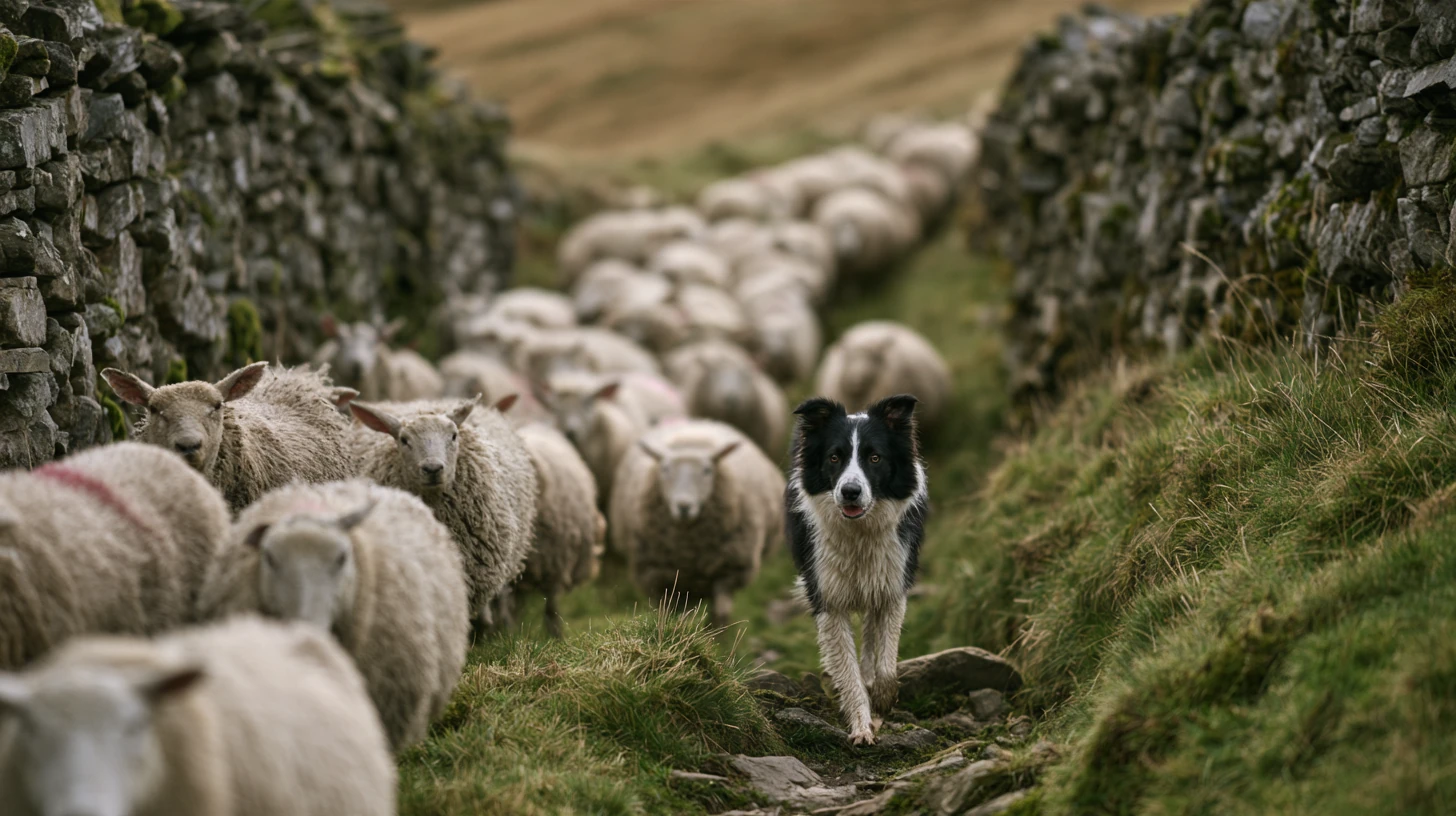
Breed dogs for droving and heritage herding breeds? Advertise here
Buyers and trainers use this page to find breeders whose lines do this work. List your kennel free, tick the industries your dogs work in, and advertise litters and stud dogs from proven working lines.
No breeders are listed here yet, so the first profiles get the page to themselves.
- Free basic profile: your breeder or company name, website, social media, location, breeds and industries.
- Litters and stud dogs advertised in their own sections, never mixed with puppies for sale.
- Premium showcase for your services and prices, previous customers, awards, video, gallery and health certificates, with your phone and email shown to buyers.
- Sponsored articles about your breed or industry, written and published by our team.
- Featured placement at the top of this page, labelled as sponsored.
Is it free to advertise here?
Yes. A breeder profile and your litter and stud dog adverts are free. Premium profiles, featured placement and sponsored articles are optional paid extras; see pricing.
Do I need a licence to advertise puppies?
In England you need a dog breeding licence from your council if you breed three or more litters in 12 months or breed and sell dogs as a business, and Wales, Scotland and Northern Ireland have their own schemes. Licensed breeders show their licence number and issuing council on every advert. Puppies must be at least eight weeks old before they go to new homes.
Is my listing already here?
We add licensed breeders from councils' public registers. Search for your kennel name; if it is listed you can claim it and edit everything.
About droving and heritage herding breeds
Before railways and livestock lorries, cattle and sheep were walked to market along Britain’s drove roads, and the dogs that moved them gave us some of our oldest native breeds. Today most of these breeds live as companions and show dogs, and several are so scarce that the Royal Kennel Club (RKC) lists them as vulnerable. If you are looking for Lancashire Heeler breeders, Cardigan corgi breeders or other native herding breeds, this page explains the breeds and how to find a responsible breeder. Canine Breeder lists breeders; we do not sell dogs or certify working ability.
What this work involves
Droving meant moving stock over long distances, often for days at a time. Heelers such as the Welsh corgis and the Lancashire Heeler nipped at the heels of cattle and, being low to the ground, ducked under kicks. Larger breeds worked stock too: the RKC notes that the Old English Sheepdog may have been a drover’s dog taking cattle to market, and the Smooth Collie worked as a herding dog alongside its cousin the Rough Collie.
Very few of these heritage herding breeds work stock now. Many still carry a strong herding instinct, which can show up as circling, heel-nipping or trying to round up children and other pets. Owners channel it through training, long walks and dog sports.
Who trains and supplies these dogs in the UK
These breeds are bred by small numbers of private breeders, many of them long-standing breed club members, and trained by their owners. There is no working registry for them.
The Royal Kennel Club registers every breed on this page and keeps a list of vulnerable native breeds: breeds of British and Irish origin with fewer than 300 registrations a year. Breeds with 300 to 450 are placed “at watch”. The RKC’s 2025 figures include:
- Collie (Smooth): 56 registrations
- Welsh Corgi (Cardigan): 80
- Lancashire Heeler: 92
- Old English Sheepdog: 218
All four are on the vulnerable list. The Welsh Corgi (Pembroke), with 758 registrations in 2025, is on neither the vulnerable nor the at-watch list.
Breed clubs for the Lancashire Heeler, the Welsh Corgis and the Collies run shows, gather health information and can often point buyers towards planned litters. Because these breeds are small, the breed club is usually the best place to start.
Breeding these dogs supports the survival of the breed, but only when it is done carefully, because small populations can lose genetic diversity quickly.
Breeds and lines
- Lancashire Heeler: a small, sturdy black-and-tan or liver-and-tan heeler associated with cattle driven from Wales to the markets around Ormskirk in Lancashire.
- Welsh Corgi (Cardigan): the long-tailed corgi, bred to drive cattle in Wales.
- Welsh Corgi (Pembroke): better known and more numerous, and also a cattle heeler by origin.
- Collie (Smooth): the short-coated counterpart of the Rough Collie, historically a herding dog, and the rarest breed on this page.
- Old English Sheepdog: a large, heavily coated breed whose origins are debated; one theory is that it was a drover’s dog taking cattle to market.
What to ask a breeder
- Which health tests have the parents had? These vary by breed, so ask for the eye examinations, DNA tests and hip scores relevant to your breed and check them against the RKC’s breed advice and the breed club’s guidance.
- What is the coefficient of inbreeding for this litter, and how did you choose the stud dog to protect diversity in a small breed?
- Do the parents show herding instinct, and how do you advise owners to manage it?
- Are you a member of the breed club, and do you follow its code of ethics?
- Can I meet the mother with her puppies, and see the father or his details?
- Will you stay in touch, and take the dog back if it ever needs a new home?
Frequently asked questions
What is a vulnerable native breed?
It is the RKC’s term for a dog breed of British or Irish origin with fewer than 300 registrations a year. Breeds with between 300 and 450 registrations are placed “at watch”, and the lists move as registration numbers change.
Do corgis and heelers still herd?
A few owners work them on stock or try them at herding activities, but most are companions. Many keep a strong instinct to chase and nip at heels, which needs early, consistent training.
Why is there a waiting list for these puppies?
Some of these breeds register fewer than 100 puppies a year, so only a handful of litters are born. Responsible breeders plan carefully and usually place puppies with people they have already met.
If you breed a drovers’ dog or another native herding breed, list your kennel on Canine Breeder so buyers can find you, see your health testing and join your waiting list.