Breed dogs for dog agility? Advertise here
Buyers and trainers use this page to find breeders whose lines do this work. List your kennel free, tick the industries your dogs work in, and advertise litters and stud dogs from proven working lines.
No breeders are listed here yet, so the first profiles get the page to themselves.
- Free basic profile: your breeder or company name, website, social media, location, breeds and industries.
- Litters and stud dogs advertised in their own sections, never mixed with puppies for sale.
- Premium showcase for your services and prices, previous customers, awards, video, gallery and health certificates, with your phone and email shown to buyers.
- Sponsored articles about your breed or industry, written and published by our team.
- Featured placement at the top of this page, labelled as sponsored.
Is it free to advertise here?
Yes. A breeder profile and your litter and stud dog adverts are free. Premium profiles, featured placement and sponsored articles are optional paid extras; see pricing.
Do I need a licence to advertise puppies?
In England you need a dog breeding licence from your council if you breed three or more litters in 12 months or breed and sell dogs as a business, and Wales, Scotland and Northern Ireland have their own schemes. Licensed breeders show their licence number and issuing council on every advert. Puppies must be at least eight weeks old before they go to new homes.
Is my listing already here?
We add licensed breeders from councils' public registers. Search for your kennel name; if it is listed you can claim it and edit everything.
About dog agility
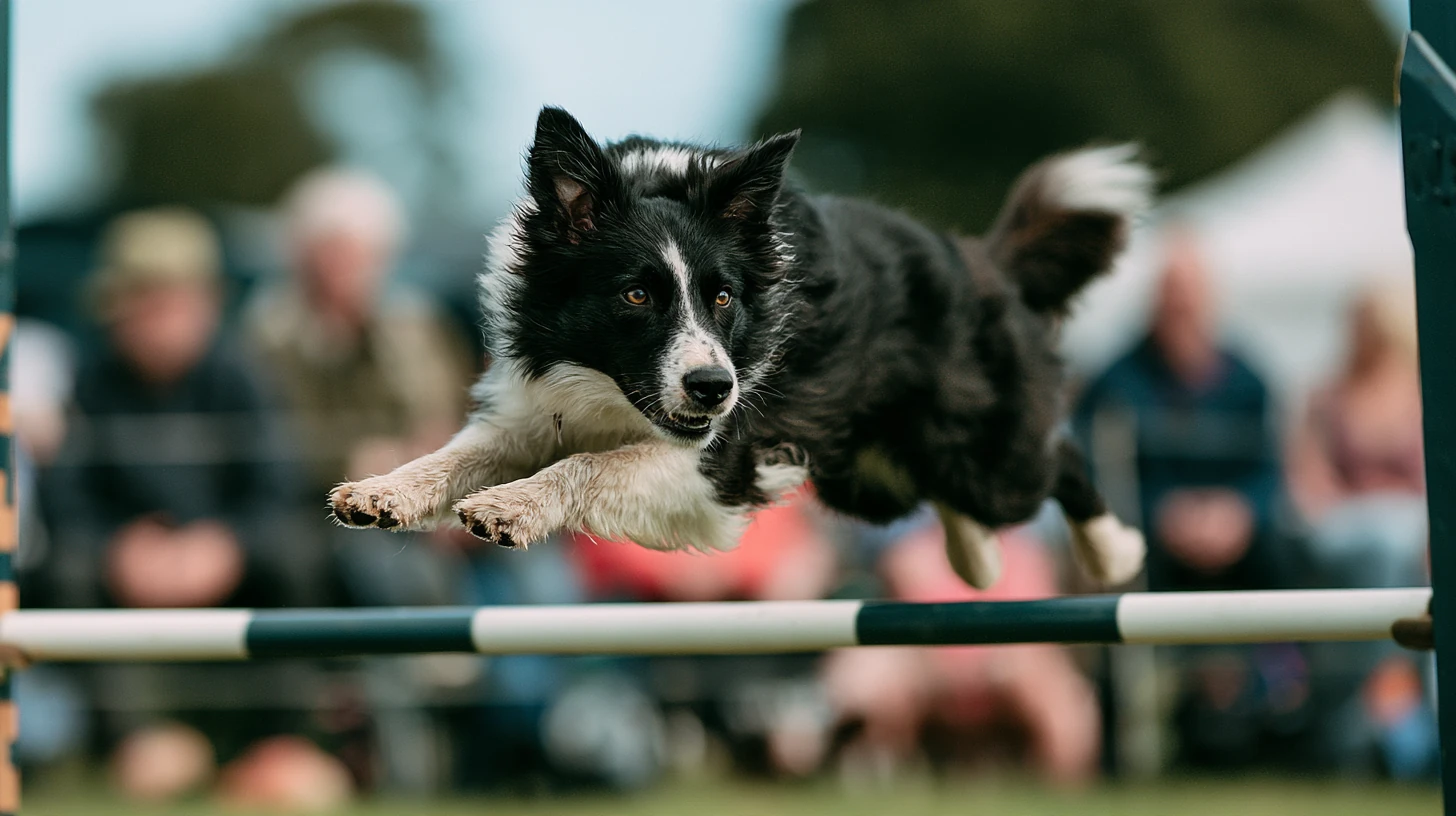
Agility is one of the best-known dog sports in the UK. A handler guides their dog, off the lead, round a course of jumps, tunnels, weaving poles and contact equipment against the clock. It was first demonstrated at Crufts in 1978, with the first official Crufts competition in 1980, and now runs from local training classes to international championships. This guide to dog agility in the UK explains how Kennel Club agility works, which agility dog breeds are popular and what to ask if you are looking for agility puppies.
What this work involves
Agility tests a dog’s fitness and the handler’s ability to train and direct it. Owners handle their own dogs, and a clear, fast round depends on months of teamwork. Shows run agility classes, which use contact equipment, and jumping classes, which do not.
Under The Royal Kennel Club’s rules, dogs are measured into height categories (small, medium, intermediate and large) and compete in seven grades, from grade 1 for beginners to grade 7. Dogs move up the grades by winning classes or by gaining points. Dogs must be 18 months old to compete, and the RKC recommends that they do not start training on equipment until they are at least a year old.
Who trains and supplies these dogs in the UK
Agility dogs are pet and working dogs trained by their owners at clubs. Nobody supplies trained agility dogs, and a puppy from sport-bred lines brings aptitude, not ready-made skills.
The Royal Kennel Club licenses agility shows across the country and runs the agility competitions at Crufts. It also runs the International Agility Festival, which it describes as Europe’s biggest and best celebration of agility, held at Rutland Showground from 6 to 9 August in 2026, and selects Agility Team GB for the European and World Championships. To compete at RKC shows, a dog must be registered on the Breed Register or, for crossbreeds and non-pedigree dogs, the Activity Register. The RKC’s Find a Club service lists training clubs.
Independent organisations also run agility shows under their own rules, height categories and grading, and many clubs train handlers for both.
Breeds and lines
Any fit dog can do agility, but some agility dog breeds dominate competition:
- Border Collie and working sheepdogs – prized for speed, drive and trainability. Many now come from sport-bred lines selected for agility rather than stock work.
- Shetland Sheepdog – quick, responsive and a long-standing agility favourite.
- Cocker Spaniel – enthusiastic, fast and increasingly popular.
- Miniature Poodle and Papillon – agile, clever smaller breeds.
Sport-bred puppies can be very driven. Make sure you can meet the exercise and training needs of a dog bred for speed.
What to ask a breeder
- Do the parents compete in agility, and at what grade? Can I see them run?
- Have the parents been hip and elbow scored, and what DNA or eye tests have they had for their breed?
- How big are the parents, and which height category might the puppies measure into?
- Are the puppies RKC registered? If not, you can still compete by using the Activity Register.
- How are the puppies socialised, and what early foundation work do you do without jumping?
Frequently asked questions
When can my puppy start agility?
Puppies can start foundation training such as focus, recall and body awareness early, but the RKC recommends waiting until a dog is at least a year old before training on equipment, and dogs must be 18 months old to compete at RKC shows.
How do I find agility clubs near me?
Use The Royal Kennel Club’s Find a Club service, or ask local trainers. Visiting a show is a good way to see which clubs are active in your area and meet handlers who train there.
Can crossbreeds do Kennel Club agility?
Yes. Crossbreeds and non-pedigree dogs can compete at RKC agility shows once registered on the Activity Register.
If you breed sport-bred collies, Shetland Sheepdogs, spaniels or small breeds whose dogs compete in agility, list your kennel on Canine Breeder and tell buyers about your dogs’ results and aptitude.
Breeds used for agility
More in dog sports
- Dog sports
- Carting and draught work
- Competitive obedience dog breeds and breeders in the UK
- Disc dog
- Dock diving
- Flyball dog breeds and breeders in the UK
- Gundog working tests
- Heelwork to music and freestyle dog breeders in the UK
- Hoopers dog breeders in the UK
- IGP and Schutzhund dog breeders in the UK
- Mondioring and ring sport dog breeders in the UK
- Rally obedience dog breeders in the UK
- Scentwork trials
- Sheepdog trials
- Terrier racing, lurcher shows and working terrier shows
- Treibball
- Water rescue dogs and water tests
- Working trials dog breeders in the UK