Breed dogs for working trials dog breeders in the uk? Advertise here
Buyers and trainers use this page to find breeders whose lines do this work. List your kennel free, tick the industries your dogs work in, and advertise litters and stud dogs from proven working lines.
No breeders are listed here yet, so the first profiles get the page to themselves.
- Free basic profile: your breeder or company name, website, social media, location, breeds and industries.
- Litters and stud dogs advertised in their own sections, never mixed with puppies for sale.
- Premium showcase for your services and prices, previous customers, awards, video, gallery and health certificates, with your phone and email shown to buyers.
- Sponsored articles about your breed or industry, written and published by our team.
- Featured placement at the top of this page, labelled as sponsored.
Is it free to advertise here?
Yes. A breeder profile and your litter and stud dog adverts are free. Premium profiles, featured placement and sponsored articles are optional paid extras; see pricing.
Do I need a licence to advertise puppies?
In England you need a dog breeding licence from your council if you breed three or more litters in 12 months or breed and sell dogs as a business, and Wales, Scotland and Northern Ireland have their own schemes. Licensed breeders show their licence number and issuing council on every advert. Puppies must be at least eight weeks old before they go to new homes.
Is my listing already here?
We add licensed breeders from councils' public registers. Search for your kennel name; if it is listed you can claim it and edit everything.
About working trials dog breeders in the uk
Working trials combine tracking, searching, agility and control in one demanding test. This page explains how working trials UK competitions run under Royal Kennel Club rules, who trains the dogs, which breeds excel and what to ask a breeder.
What this work involves
The Royal Kennel Club describes working trials as a competitive activity based on the civilian equivalent of police dog work. After an Introductory stake, dogs progress through five stakes: Companion Dog (CD), Utility Dog (UD), Working Dog (WD), Tracking Dog (TD) and Patrol Dog (PD). Apart from the Introductory and Special stakes, each is held at both open and championship level. The work falls into three sections:
- Nosework: following a track walked by a person, aged from half an hour at UD to three hours at TD, at least 550 metres long at UD and around 800 metres in the higher stakes, and searching a marked square for hidden articles.
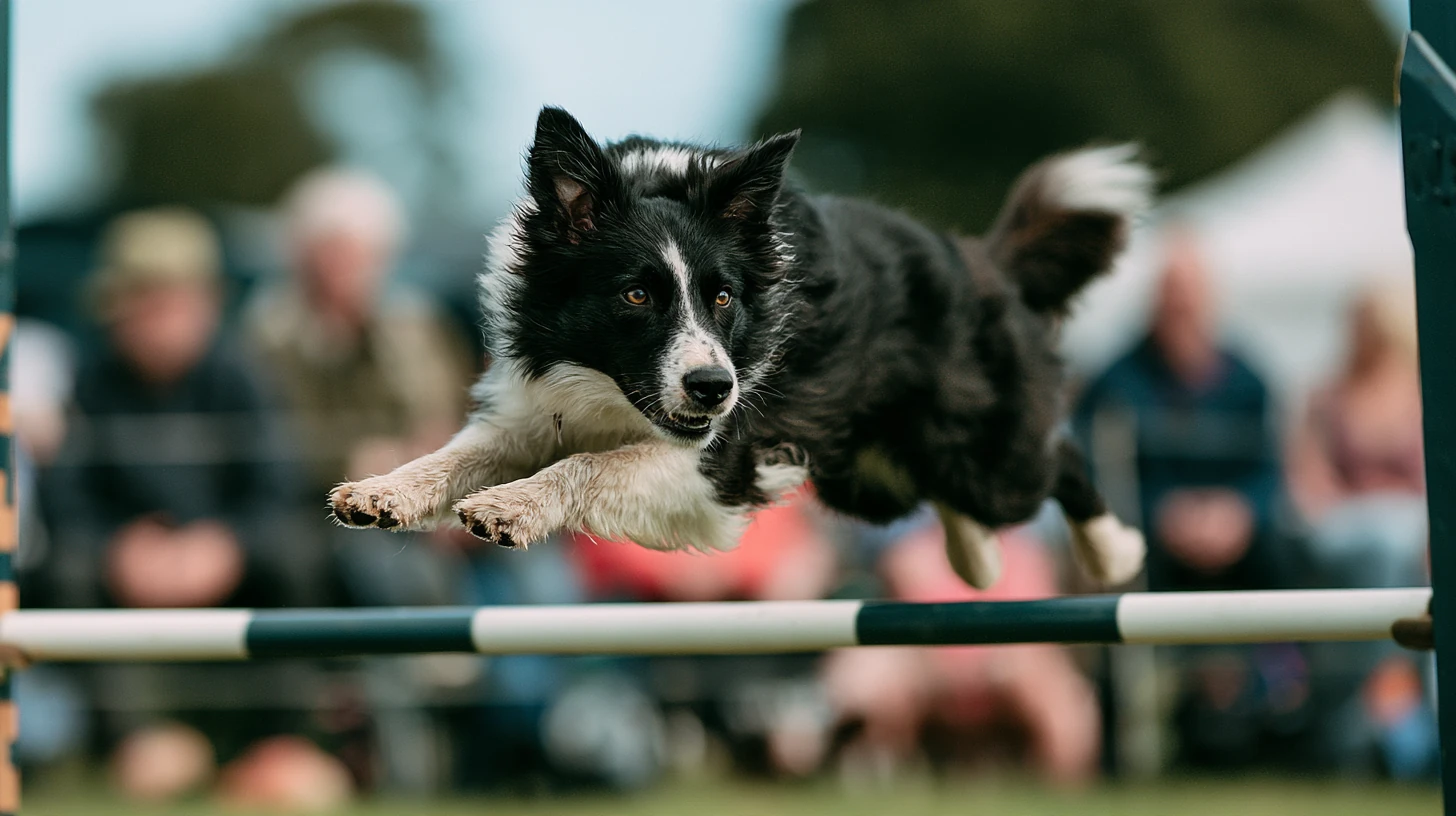
- Agility: a scale of 1.676 metres (5 ft 6 in), a clear jump of 914mm (3 ft) and a long jump of 2.438 metres (8 ft), with lower heights for small dogs in the Introductory, CD and UD stakes only.
- Control: heelwork, a recall (CD only), sendaways, stays of up to ten minutes, a dumbbell retrieve and speaking on command.
Handlers interested in tracking as a dog sport can aim for the Tracking Dog stake, which has the oldest tracks. Patrol Dog adds finding hidden or missing people, defending the handler from attack, chasing and detaining a running person who is a protected steward, a test of courage and a recall from a chase. The Royal Kennel Club says patrol work suits only dogs of exceptional temperament: confident, friendly and well controlled. Dogs must be 18 months or older on the closing date for entries, although Special Stakes can take younger dogs.
Who trains and supplies these dogs in the UK
Working trials dogs are trained by their handlers, usually through working trials clubs and societies, and Canine Breeder does not supply, train or certify them. A working trials dog is not a police dog: police forces source and train their own dogs, and a working trials qualification is a sporting award.
The Royal Kennel Club licenses trials, including championship trials, sets the stakes and marking, and lists working trials among its heritage sports. The sport dates back to 1924, and the first championship working trial recognised by the Kennel Club was held in 1927. Any type of dog can take part, including crossbreeds on the Activity Register. For newcomers to Kennel Club working trials, the RKC suggests finding a training club and watching a trial as a spectator first. It recommends that dogs do not start training on the equipment until they are at least a year old, although puppies can play hide-and-seek games from four months.
Breeds and lines
- German Shepherd Dog: the traditional working trials dog, with the nose, athleticism and temperament that Patrol Dog demands.
- Border Collie: fast, precise in control work and a keen tracker.
- Labrador Retriever and Golden Retriever: excellent noses and biddable temperaments.
- Belgian Shepherd Dog (Malinois): intense, agile and powerful over the jumps.
The jumps make soundness essential. Ask for hip and elbow scores under the BVA/Royal Kennel Club schemes, eye tests and breed DNA tests, and prefer lines where the parents have worked at the stakes you are aiming for.
What to ask a breeder
- Which stakes have the parents qualified in, and at open or championship level?
- What are the parents’ hip and elbow scores, and their eye and DNA test results?
- How do the parents behave with strangers, with other dogs and in a stay?
- Is this a working line, and how much drive and nose do the puppies show?
- Have previous puppies gone on to working trials, and can I talk to their handlers?
- What socialisation and early scent games do the puppies get?
Legal and welfare notes
Patrol Dog work includes chasing and detaining a person and defending the handler. Section 3 of the Dangerous Dogs Act 1991 makes it an offence for a dog to be dangerously out of control in any place in England, Wales or Scotland, public or private, and a trials qualification does not change the owner’s responsibility. A PD qualification is not a guard dog certificate: using a dog to guard premises is covered by the Guard Dogs Act 1975, which requires a handler capable of controlling the dog to be present unless the dog is secured, and a warning notice at each entrance. Contract security guarding is licensed by the Security Industry Authority. The Animal Welfare Act 2006 requires anyone responsible for a dog in England and Wales to meet its welfare needs, including protection from pain, suffering and injury, and that duty extends to training.
Frequently asked questions
What is a working trials dog?
A dog trained by its handler to compete in tracking, searching, agility and control under Royal Kennel Club rules. It is a sport dog, not a police or security dog.
What is the TD stake in working trials?
Tracking Dog, where the track is walked about three hours before the dog works it, alongside search, agility and control. Like Patrol Dog, it follows on from Working Dog.
Can any breed do Kennel Club working trials?
Yes. Any type of dog can take part, including crossbreeds on the Activity Register, provided it is 18 months or older on the closing date for entries and fit enough for the jumps.
If your dogs compete in working trials, or you breed shepherds, collies or retrievers from lines that do, list your kennel on Canine Breeder and reach handlers looking for their next trials prospect.
Breeds used for working trials
More in dog sports
- Dog sports
- Carting and draught work
- Competitive obedience dog breeds and breeders in the UK
- Disc dog
- Dock diving
- Dog agility
- Flyball dog breeds and breeders in the UK
- Gundog working tests
- Heelwork to music and freestyle dog breeders in the UK
- Hoopers dog breeders in the UK
- IGP and Schutzhund dog breeders in the UK
- Mondioring and ring sport dog breeders in the UK
- Rally obedience dog breeders in the UK
- Scentwork trials
- Sheepdog trials
- Terrier racing, lurcher shows and working terrier shows
- Treibball
- Water rescue dogs and water tests