Breed dogs for flyball dog breeds and breeders in the uk? Advertise here
Buyers and trainers use this page to find breeders whose lines do this work. List your kennel free, tick the industries your dogs work in, and advertise litters and stud dogs from proven working lines.
No breeders are listed here yet, so the first profiles get the page to themselves.
- Free basic profile: your breeder or company name, website, social media, location, breeds and industries.
- Litters and stud dogs advertised in their own sections, never mixed with puppies for sale.
- Premium showcase for your services and prices, previous customers, awards, video, gallery and health certificates, with your phone and email shown to buyers.
- Sponsored articles about your breed or industry, written and published by our team.
- Featured placement at the top of this page, labelled as sponsored.
Is it free to advertise here?
Yes. A breeder profile and your litter and stud dog adverts are free. Premium profiles, featured placement and sponsored articles are optional paid extras; see pricing.
Do I need a licence to advertise puppies?
In England you need a dog breeding licence from your council if you breed three or more litters in 12 months or breed and sell dogs as a business, and Wales, Scotland and Northern Ireland have their own schemes. Licensed breeders show their licence number and issuing council on every advert. Puppies must be at least eight weeks old before they go to new homes.
Is my listing already here?
We add licensed breeders from councils' public registers. Search for your kennel name; if it is listed you can claim it and edit everything.
About flyball dog breeds and breeders in the uk
Flyball is a fast, noisy team relay, and flyball UK clubs train in sports halls and fields across the country. This page explains how the sport works, who runs it, which flyball dog breeds do well and what to ask a breeder if you want a puppy from lines that race.
What this work involves
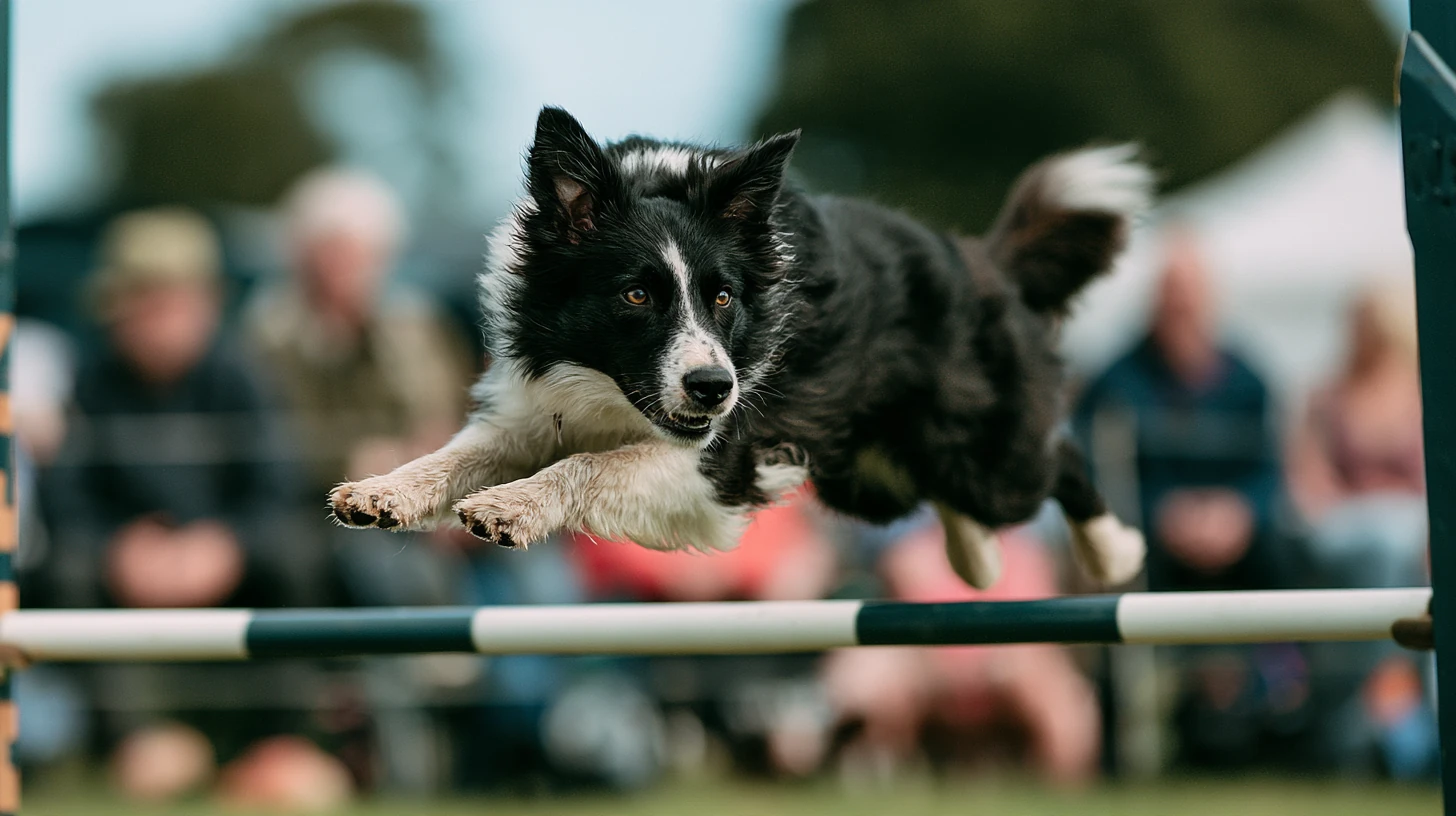
Flyball is a relay race for teams of four dogs and their handlers. Two teams race side by side in parallel lanes. Each dog in turn runs over a line of hurdles, triggers a spring-loaded box that releases a ball, catches it and races back over the hurdles. The next dog may not cross the start line until the previous dog is back over it, so handlers aim for the closest possible pass.
The hurdle height is set by the smallest dog on the team, which is why a small, quick “height dog” is so valued. The skills that win races are a tight, safe turn on the box, a reliable catch, flat-out speed and the ability to ignore another team racing in the next lane. Flyball dogs need strong play and ball drive, sound joints and a steady temperament around noise and crowds.
To race in British Flyball Association sanctioned competition, dogs must be over 18 months old. Starter and intermediate events, which are not BFA sanctioned and can use wings or netted lanes to guide dogs, accept dogs from 12 months.
Who trains and supplies these dogs in the UK
Flyball dogs are trained by their owners. Owners buy a puppy from a breeder or adopt, then train the dog themselves as members of a flyball club, and the club is the team. Canine Breeder lists breeders whose dogs race; it does not sell, train or certify flyball dogs.
The British Flyball Association (BFA) was set up in 1994, when UK flyball began, and is run entirely by volunteers. It sets the rules, sanctions competitions, registers dogs and handlers and keeps lists of qualified judges. In 2019, its 25th anniversary year, it had more than 3,000 active members and ran over 100 sanctioned competitions, and by its own account its Championships were the biggest flyball competition in the world. For anyone searching “flyball team near me”, the BFA’s advice is to contact your regional BFA representative, and its website has a club finder. A second organisation, the United Kingdom Flyball League (UKFL), launched in December 2017 as an alternative league and runs its own competitions.
The Royal Kennel Club introduced flyball to Crufts in 1990. Teams compete at eight qualifiers during the year, the two highest-placed teams at each are invited to Crufts, and the 16 finalists race a knockout competition. Dogs in the qualifiers must be at least 15 months old and on the Royal Kennel Club Breed Register or Activity Register (or hold an Authority to Compete number), and every team must include at least one dog of a recognised breed registered with the Royal Kennel Club.
Breeds and lines
Flyball suits virtually any fit, healthy dog, and most teams mix breeds and crosses:
- Border Collie: the backbone of many fast teams, with the drive to repeat runs all day and the agility for a clean box turn.
- Whippet crosses: collie and whippet crosses in particular bring sprint speed on the straight.
- Staffordshire Bull Terrier: compact, powerful and keen, with plenty of play drive.
- Cocker Spaniel, mainly from working lines: strong ball drive in a medium-sized dog.
- Jack Russell Terrier: small, fast and fearless, a classic height dog.
Multibreed tournaments need four different breeds in a team, with all crossbreeds counting as one breed, so a sound, fast dog of a less common breed is welcome too. Box turns and repeated jumping put load on shoulders, wrists and backs, so hip and elbow scores under the BVA/Royal Kennel Club schemes, eye tests and the breed’s DNA tests matter as much as speed.
What to ask a breeder
- Do the parents race flyball, with which team, and at what level?
- What are the parents’ hip and elbow scores, eye test results and breed DNA test results?
- How do the parents cope with noise, crowds and dogs racing close by?
- How much toy and ball drive do the puppies show, and what early play and handling do they get?
- If the litter is a cross, why this cross, and were both parents health tested?
- Will the puppy be Royal Kennel Club registered, or will it need the Activity Register?
Frequently asked questions
What are the best flyball dog breeds?
Border Collies and collie crosses are the mainstay of many fast teams, but flyball is open to almost any breed. Small, quick dogs such as Jack Russells are prized because the hurdle height is set by the smallest dog on the team.
How do I find a flyball team near me?
Contact your regional British Flyball Association representative or use the club finder on the BFA website. Visit a few training sessions before choosing; a good club builds up box work gradually and does not rush a young dog.
How old does a dog have to be to compete in flyball?
Over 18 months for BFA sanctioned competition, at least 12 months for starter and intermediate events, and at least 15 months for the Crufts qualifiers. Recalls, retrieves and play can start in puppyhood, without jumping.
If you breed dogs that race in flyball, or collies, spaniels and terriers from lines that do, list your kennel on Canine Breeder and reach handlers looking for their next team dog.
Breeds used for flyball
More in dog sports
- Dog sports
- Carting and draught work
- Competitive obedience dog breeds and breeders in the UK
- Disc dog
- Dock diving
- Dog agility
- Gundog working tests
- Heelwork to music and freestyle dog breeders in the UK
- Hoopers dog breeders in the UK
- IGP and Schutzhund dog breeders in the UK
- Mondioring and ring sport dog breeders in the UK
- Rally obedience dog breeders in the UK
- Scentwork trials
- Sheepdog trials
- Terrier racing, lurcher shows and working terrier shows
- Treibball
- Water rescue dogs and water tests
- Working trials dog breeders in the UK