Breed dogs for terrier racing, lurcher shows and working terrier shows? Advertise here
Buyers and trainers use this page to find breeders whose lines do this work. List your kennel free, tick the industries your dogs work in, and advertise litters and stud dogs from proven working lines.
No breeders are listed here yet, so the first profiles get the page to themselves.
- Free basic profile: your breeder or company name, website, social media, location, breeds and industries.
- Litters and stud dogs advertised in their own sections, never mixed with puppies for sale.
- Premium showcase for your services and prices, previous customers, awards, video, gallery and health certificates, with your phone and email shown to buyers.
- Sponsored articles about your breed or industry, written and published by our team.
- Featured placement at the top of this page, labelled as sponsored.
Is it free to advertise here?
Yes. A breeder profile and your litter and stud dog adverts are free. Premium profiles, featured placement and sponsored articles are optional paid extras; see pricing.
Do I need a licence to advertise puppies?
In England you need a dog breeding licence from your council if you breed three or more litters in 12 months or breed and sell dogs as a business, and Wales, Scotland and Northern Ireland have their own schemes. Licensed breeders show their licence number and issuing council on every advert. Puppies must be at least eight weeks old before they go to new homes.
Is my listing already here?
We add licensed breeders from councils' public registers. Search for your kennel name; if it is listed you can claim it and edit everything.
About terrier racing, lurcher shows and working terrier shows
Working terrier and lurcher shows are a fixture of the British summer, often held alongside country shows and game fairs. Dogs are judged on working type rather than a show-ring breed standard, and many shows add terrier racing over small hurdles. The shows and races themselves involve no quarry. This page covers who runs them, the breeds involved and what to ask a breeder.
What this work involves
At a working terrier show, the judge assesses whether a dog is built for the job: a size and chest that would let it work underground, a sound coat, strong jaws and a balanced, athletic frame. Classes are usually divided by type, size and coat. Lurcher classes judge a running dog’s build and movement in a similar way.
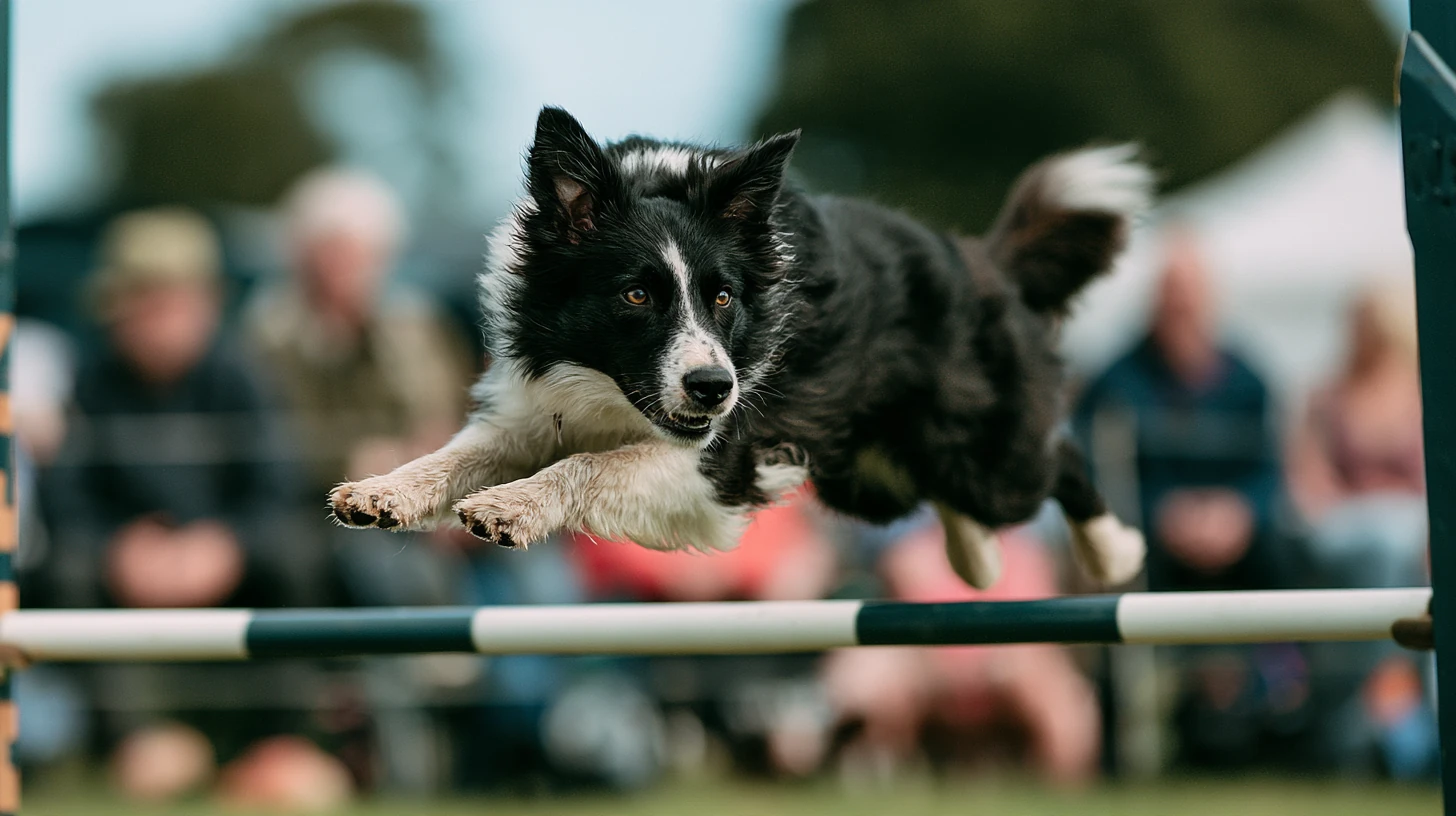
Country show terrier racing is the crowd-pleaser. Terriers race down a short straight course over low hurdles after a lure, sometimes finishing through a gap in a wall of straw bales. Some shows also run lurcher racing. Entry fees and raffles raise money for the organising clubs.
Who trains and supplies these dogs in the UK
These shows are run by owners and clubs. Terriers and lurchers are bred by private breeders and working terrier enthusiasts, and owners raise and handle their own dogs.
The Fell and Moorland Working Terrier Club was formed in 1966 to provide an organised rescue service for terriers lost underground. Its aims include keeping traditional working terrier strains, encouraging terrier and lurcher shows, and giving advice and support. Its areas hold working terrier shows in the summer, and subscriptions, show proceeds and donations pay for rescues, including machinery hire when it is needed.
The Fell and Moorland club is a member club of the National Working Terrier Federation (NWTF) and endorses the NWTF Code of Conduct. Its members must follow the working terrier code of conduct as a condition of membership, and breaches can lead to expulsion. The club also recommends that any terrier worked below ground wears a locator collar.
Breeders listed on this site sell puppies. They do not sell trained working terriers, and nobody can certify a puppy for work.
Breeds and lines
- Jack Russell Terrier. Recognised by the Royal Kennel Club since 2016, although many working Jack Russells are unregistered.
- Patterdale Terrier. A working type from the Lake District. It is not recognised by the Royal Kennel Club.
- Lakeland Terrier and Border Terrier. Both are recognised breeds with long working histories. Working-bred lines often differ from show dogs.
- Lurcher. A crossbreed, usually a sighthound crossed with a working breed such as a collie or terrier. There is no breed standard, so the parents tell you most about what you will get.
What to ask a breeder
- What do the parents do, and have they been shown at working terrier or lurcher shows?
- Are the parents registered with the Royal Kennel Club or a breed club, or unregistered?
- Which health checks, including eye tests and breed-relevant DNA tests, have the parents had?
- If the tails are docked, which vet did it, and can I have a copy of the working dog certificate?
- How do the parents behave with other dogs, cats and small pets?
- For a lurcher, what exactly is the cross, and what are both parents like to live with?
Legal and welfare notes
- Hunting Act 2004 (England and Wales). Hunting wild mammals with dogs is an offence unless an exemption applies. One exemption allows no more than one dog below ground at a time to protect game or wild birds kept for shooting. The person must have written evidence that they own the land or have the landowner’s permission, and must follow any code of practice issued or approved by the Secretary of State. Hare coursing events are illegal.
- Scotland. Under the Hunting with Dogs (Scotland) Act 2023, only one dog may be used below ground to manage foxes, with the landowner’s permission and a tracking device fitted to the dog, and no licence is available to use more. The same Act made trail hunting an offence in Scotland.
- Protection of Badgers Act 1992. Intentionally or recklessly causing a dog to enter a badger sett is an offence.
- Hare coursing penalties. In England and Wales, the Police, Crime, Sentencing and Courts Act 2022 created offences of trespassing, or being equipped, to search for or pursue hares with dogs. Courts can disqualify offenders from owning or keeping dogs.
- Tail docking. In England and Wales, only certified working dogs may be docked, by a vet, at no more than five days old. In England, the types covered include terriers. A docked dog may not be shown at an event where the public pay admission, unless it is a certified working dog shown only to demonstrate its working ability.
Terrier work connected with hunting, including trail hunting in England and Wales, remains contested and closely scrutinised. Shows and racing involve no quarry.
Frequently asked questions
What is terrier racing?
A short sprint for terriers over low hurdles after a lure, run at working terrier shows and country shows.
Is the Patterdale Terrier a recognised breed?
Not by the Royal Kennel Club. Patterdales are bred to a working type, so judge a litter by its parents and health checks rather than papers.
How do I find a terrier and lurcher show near me?
Working terrier clubs publish summer show calendars, and many country shows include terrier classes and racing.
Do your terriers or lurchers compete at working terrier shows? Add your listing to Canine Breeder so owners can find you.
Breeds used for terrier racing, lurcher shows and working terrier shows
More in dog sports
- Dog sports
- Carting and draught work
- Competitive obedience dog breeds and breeders in the UK
- Disc dog
- Dock diving
- Dog agility
- Flyball dog breeds and breeders in the UK
- Gundog working tests
- Heelwork to music and freestyle dog breeders in the UK
- Hoopers dog breeders in the UK
- IGP and Schutzhund dog breeders in the UK
- Mondioring and ring sport dog breeders in the UK
- Rally obedience dog breeders in the UK
- Scentwork trials
- Sheepdog trials
- Treibball
- Water rescue dogs and water tests
- Working trials dog breeders in the UK