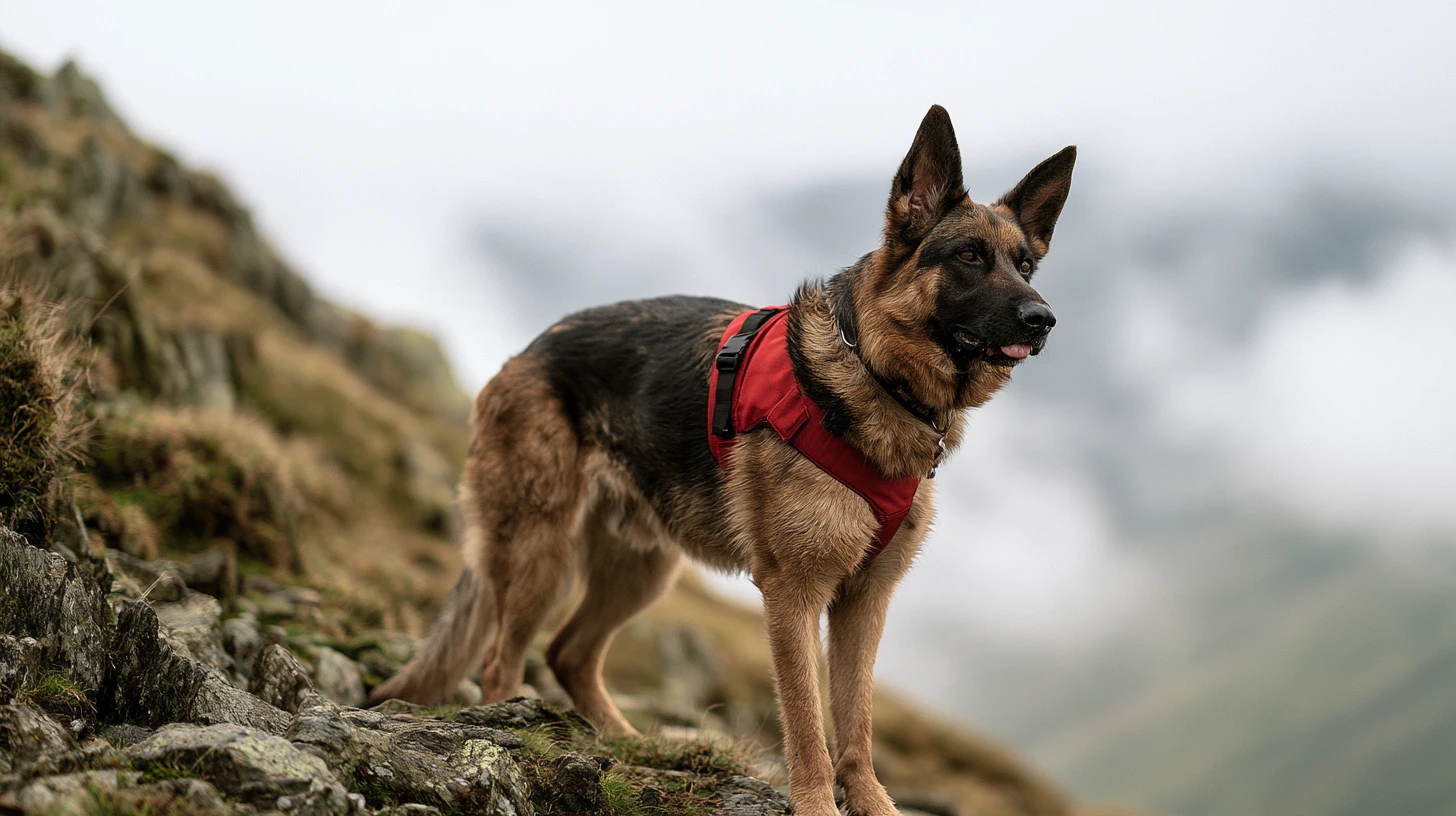
Breed dogs for victim recovery and human remains detection dogs? Advertise here
Buyers and trainers use this page to find breeders whose lines do this work. List your kennel free, tick the industries your dogs work in, and advertise litters and stud dogs from proven working lines.
No breeders are listed here yet, so the first profiles get the page to themselves.
- Free basic profile: your breeder or company name, website, social media, location, breeds and industries.
- Litters and stud dogs advertised in their own sections, never mixed with puppies for sale.
- Premium showcase for your services and prices, previous customers, awards, video, gallery and health certificates, with your phone and email shown to buyers.
- Sponsored articles about your breed or industry, written and published by our team.
- Featured placement at the top of this page, labelled as sponsored.
Is it free to advertise here?
Yes. A breeder profile and your litter and stud dog adverts are free. Premium profiles, featured placement and sponsored articles are optional paid extras; see pricing.
Do I need a licence to advertise puppies?
In England you need a dog breeding licence from your council if you breed three or more litters in 12 months or breed and sell dogs as a business, and Wales, Scotland and Northern Ireland have their own schemes. Licensed breeders show their licence number and issuing council on every advert. Puppies must be at least eight weeks old before they go to new homes.
Is my listing already here?
We add licensed breeders from councils' public registers. Search for your kennel name; if it is listed you can claim it and edit everything.
About victim recovery and human remains detection dogs
Victim recovery dogs, often called cadaver dogs, are trained to find human remains. In the UK they support police investigations, missing person searches where the person is thought to have died, and recovery work after major incidents. This page explains how the work is organised, how the dogs are sourced and what a breeder of working lines can offer.
What this work involves
A human remains detection dog is trained to detect the scent of human remains and to indicate its strongest point, including remains that may be buried. Searches cover open ground, woodland, farmland, rural tracks and the edges of towns, and can include suspected burial sites. The handler plans the search around wind, terrain and intelligence, works the dog methodically across the area and records every indication, because the results feed into decisions about where to look next.
It is precise, repetitive work. The dog must hunt thoroughly for long periods, ignore distractions and give a calm, clear indication that the handler can read with confidence.
Who trains and supplies these dogs in the UK
- Police forces. Human remains detection dogs are used by law enforcement agencies as well as search teams. UK police forces run their own dog units and train their dogs in-house with police handlers, and College of Policing guidance covers dogs trained or cared for on behalf of the chief constable, including puppies belonging to the force. Private breeders supply untrained puppies or young dogs at most.
- Specialist Search Dogs. A volunteer team, registered as a Scottish charity, that assists the emergency services and Category 1 responders without charging a callout fee. Several of its land cadaver dogs are qualified NASDU Level 3 Cadaver Detection Dogs. Its dogs are trained within the team, and its published profiles show several routes in: one dog came from a kennel in British Columbia, another from a Malinois and Dutch Shepherd rescue at around five or six months old, another was a security dog that moved into detection work, and a trainee is the son of one of its own operational dogs.
- NASDU (the National Association of Security Dog Users). NASDU runs Level 3 accredited learning programmes for the Victim (Cadaver) Detection Dog and the Victim (Water Submerged Cadaver) Detection Dog. It is an approved centre with the awarding organisation Highfield, which is regulated by Ofqual and SQA.
A breeder’s contribution is a sound, driven puppy from lines with detection aptitude. Qualification comes later, through the force or charity that trains and assesses the dog with its handler.
Breeds and lines
Specialist Search Dogs’ land cadaver dogs and trainees include German Shepherd Dogs, Belgian Shepherd Dogs (Malinois), Labrador Retrievers, Cocker Spaniels, an English Springer Spaniel and a crossbreed. Look for working gundog or working shepherd lines with a strong hunting drive, stamina for long grid searches, a steady temperament and good health.
What to ask a breeder
- Have dogs from your lines gone into police, detection or search work, and with whom?
- How do the parents hunt? Do they search methodically and keep going when nothing turns up quickly?
- What are the parents’ health results? For Springers the Royal Kennel Club recommends hip, elbow and eye screening with gonioscopy, plus DNA tests including PRA (cord1) and fucosidosis.
- Can a police dog unit or experienced handler assess a young dog before purchase?
- What happens if the dog does not pass selection? Will you take it back or help rehome it?
Frequently asked questions
What is the difference between a victim recovery dog and a search and rescue dog?
A search and rescue dog looks for living people. A victim recovery dog is trained specifically on the scent of human remains. Some volunteer teams, such as Specialist Search Dogs, run both disciplines, but they are separate disciplines with separate qualifications.
Who uses cadaver dogs in the UK?
Police forces run their own dog units, and volunteer teams such as Specialist Search Dogs support the police and other emergency services when asked, free of charge.
Can I buy a trained cadaver dog?
No reputable breeder sells a qualified victim recovery dog. Dogs qualify through their force’s training or, in volunteer teams, through assessments such as NASDU’s, with their own handler.
Breeders whose dogs work in victim recovery, or whose working gundog and shepherd lines have gone into detection, can list on the site to reach police and volunteer handlers.