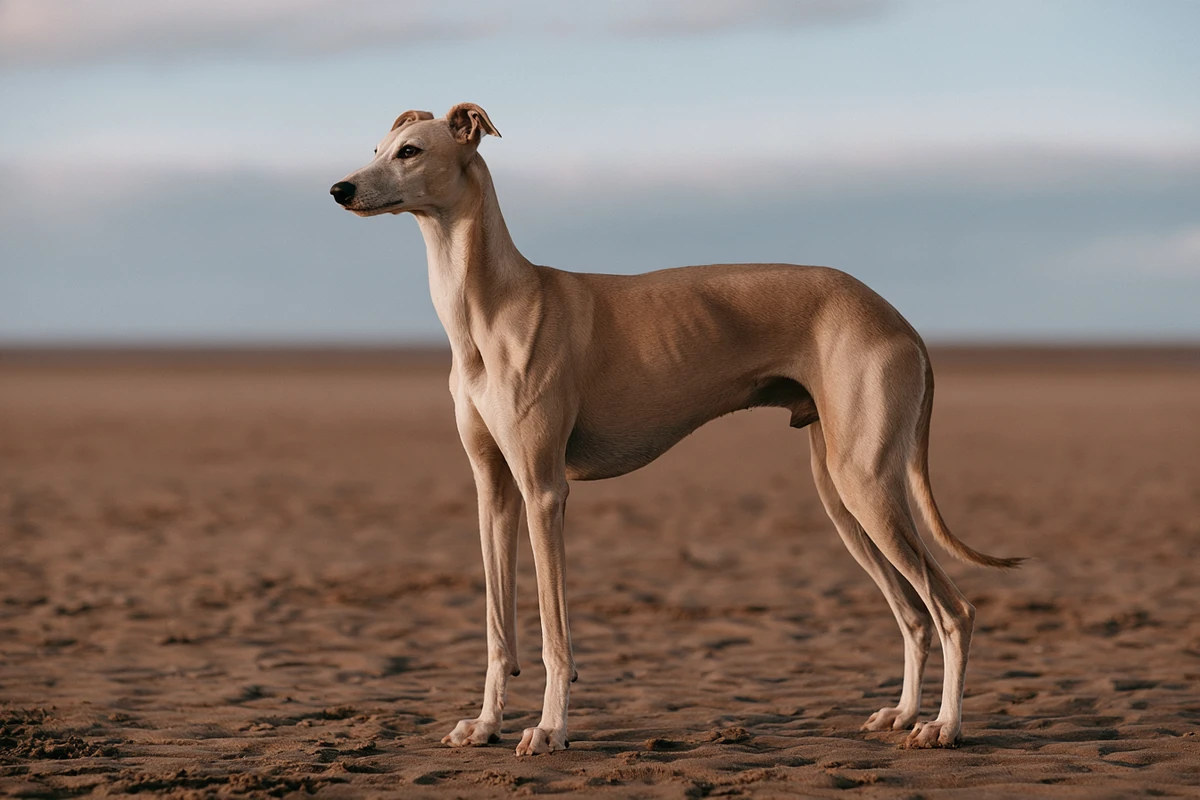
Advertise Basenji puppies for sale
Have a Basenji litter due or ready? Advertise it here with the mother's details, health test results and your licence number, and link it to your free breeder profile.
No breeders are listed here yet, so the first profiles get the page to themselves.
- Free basic profile: your breeder or company name, website, social media, location, breeds and industries.
- Litters and stud dogs advertised in their own sections, never mixed with puppies for sale.
- Premium showcase for your services and prices, previous customers, awards, video, gallery and health certificates, with your phone and email shown to buyers.
- Sponsored articles about your breed or industry, written and published by our team.
- Featured placement at the top of this page, labelled as sponsored.
Is it free to advertise here?
Yes. A breeder profile and your litter and stud dog adverts are free. Premium profiles, featured placement and sponsored articles are optional paid extras; see pricing.
Do I need a licence to advertise puppies?
In England you need a dog breeding licence from your council if you breed three or more litters in 12 months or breed and sell dogs as a business, and Wales, Scotland and Northern Ireland have their own schemes. Licensed breeders show their licence number and issuing council on every advert. Puppies must be at least eight weeks old before they go to new homes.
Is my listing already here?
We add licensed breeders from councils' public registers. Search for your kennel name; if it is listed you can claim it and edit everything.
Buying a Basenji puppy
Basenji puppies for sale
This page lists UK breeders with Basenji puppies available or litters planned. Numbers are small and registrations bunch together early in the year: 51 of the 64 Basenjis registered with the RKC in 2025 were registered in the first quarter, so contacting breeders early gives you the best chance. Before you reserve, visit and see the puppies with their mother, and look up both parents on the RKC Health Test Results Finder by their registered names. Ask to see Fanconi syndrome and PRA-BJ1 DNA results and the parents' eye certificates. By law every puppy must be microchipped and registered on a database by eight weeks old; one sold as RKC registered should also come with its registration paperwork, alongside a written contract. Never pay a deposit before viewing; our buyer safety guide explains common scams. Planning a litter yourself? See Basenji stud dogs.
Health tests to ask about
Basenji health and testing
The RKC's Breed Watch places the Basenji in Category 1, with no breed-specific concerns flagged for show judges. That covers visible conformation only, not inherited disease in individual dogs.
On its Basenji breed page, the RKC lists prioritising genetic diversity as Good Practice before breeding and eye testing under the BVA/KC/ISDS Eye Scheme as Best Practice; its Health Standard explains the two levels. A BVA-appointed veterinary ophthalmologist checks for inherited and non-inherited eye conditions and issues a certificate on the spot. The Basenji is not on the BVA's 2026 list of breeds with a known inherited eye disease, and the RKC's results finder shows eye results only for conditions certified as inherited, so ask to see each parent's certificate.
The Basenji Club of America names Fanconi syndrome, an inherited kidney disorder, and progressive retinal atrophy (PRA) as the breed's two significant inherited diseases, and asks for DNA tests on all breeding stock. UK laboratories offer DNA tests for Fanconi syndrome, a Basenji form of PRA and pyruvate kinase deficiency. All three are recessive, so a carrier is not expected to develop the condition but can pass it on. PRA-BJ1 accounts for only about half of the breed's PRA cases, the club says, so a clear result does not rule out other forms.
What the RKC lists for this breed
- Good Practice: prioritising genetic diversity (litter coefficient of inbreeding at or below the breed average)
- Best Practice: eye testing using the BVA/KC/ISDS Eye Scheme (run by the BVA as the BVA/RKC/ISDS Eye Scheme)
- Breed-specific DNA testing package: none offered by the RKC
- Additional breed-specific breeding restrictions: none
- Breed Watch: Category 1
More for Basenji owners and breeders
Official sources
- Basenji breed page - The Royal Kennel Club
- Basenji breed standard - The Royal Kennel Club
- Eye Scheme - British Veterinary Association canine health schemes
- Breed Watch Category 1 - The Royal Kennel Club
- The Royal Kennel Club Health Standard
- Manage and maintain genetic diversity - The Royal Kennel Club
- Inbreeding coefficient calculator - The Royal Kennel Club
- Health Test Results Finder - The Royal Kennel Club
- Basenji health - Basenji Club of America
- Find a Club - The Royal Kennel Club
- Dog breeding licence (England) - GOV.UK
- Animal Welfare (Licensing of Activities Involving Animals) (England) Regulations 2018, Schedule 6