
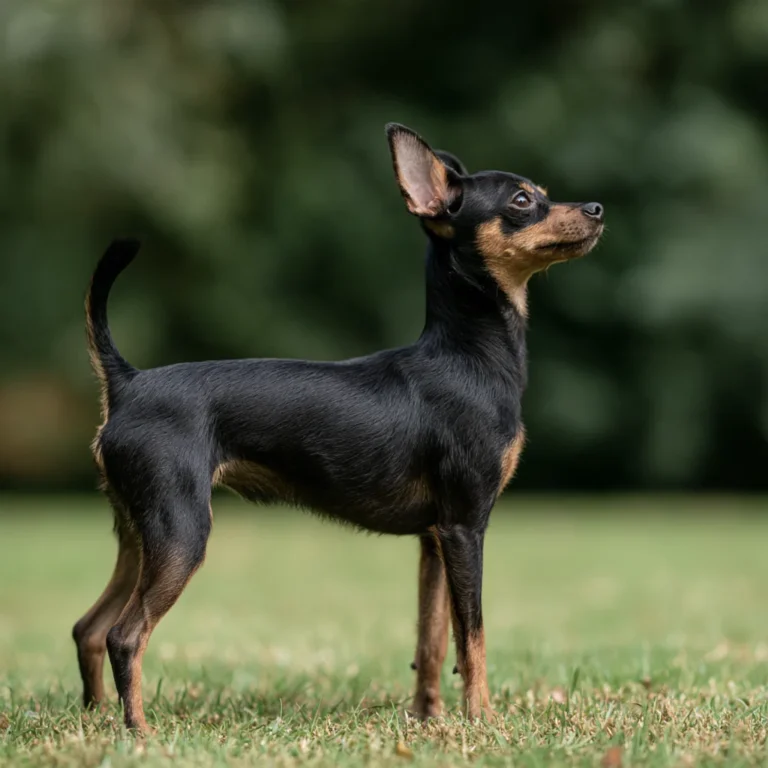
Buying a Russian Toy puppy
Russian Toy puppies and planned litters on this page are advertised by UK breeders, in both smooth and long coats. Adverts are written by the breeders themselves, so check before you pay a deposit. Ask to see each parent's eye test certificate and a record of their knee (patella) checks, and confirm eye results for RKC-registered dogs on the Health Test Results Finder. Visit the litter and see the puppies with their mother, and ask about each puppy's coat type and colour. Size varies between individuals, and the RKC reminds buyers that the standard describes an ideal rather than a promise, so treat claims that a puppy will stay especially tiny with caution. Licensed breeders in England cannot sell a puppy under 8 weeks old. If no litters are listed, contact Russian Toy breeders about waiting lists and read our buyer safety guide.
Health tests to ask about
The RKC's Breed Watch places the Russian Toy in Category 1, meaning no breed-specific points of concern have been flagged for show judges beyond the standard. Under the RKC Health Standard, Good Practice for this breed is managing genetic diversity rather than a specific screening test, and Best Practice adds an eye examination under the BVA/KC/ISDS Eye Scheme. The RKC's eye screening guidance advises examining breeding dogs within the 12 months before a mating and once more at 8 years of age if they have been bred from; examinations are carried out by BVA eye panellists.
The Health Standard also lists patellar testing as a breed club health scheme for the Russian Toy. The Russian Toy Club UK health page offers a patella test certificate that most vets can complete and explains the four grades of luxation. It describes Legg-Calvé-Perthes disease as rare in the breed with no known DNA test, and quotes a breed average inbreeding coefficient of 0.8%. Eye results for registered dogs can be checked on the Health Test Results Finder, and health questions can be raised with the breed health co-ordinator named on the RKC breed page.
Good Practice (RKC)
- Prioritising genetic diversity (check the inbreeding coefficient of the planned mating)
Best Practice (RKC), in addition
- Eye testing using the BVA/KC/ISDS Eye Scheme
Breed club health scheme (listed in the RKC Health Standard)
- Patellar testing
Breed Watch: Category 1
More for Russian Toy owners and breeders
Official sources
- Russian Toy breed information - The Royal Kennel Club
- Russian Toy breed standard - The Royal Kennel Club
- Russian Toy Club UK
- Russian Toy Club UK - Health
- Russian Toy Club UK - RKC club profile
- The Royal Kennel Club Health Standard
- Eye screening scheme - The Royal Kennel Club
- BVA Hereditary Eye Disease Scheme
- Breed Watch Category 1 - The Royal Kennel Club
- Inbreeding coefficient calculator - The Royal Kennel Club
- Dog breeding licence (England) - GOV.UK
- Animal Welfare (Licensing of Activities Involving Animals) (England) Regulations 2018, Schedule 6