
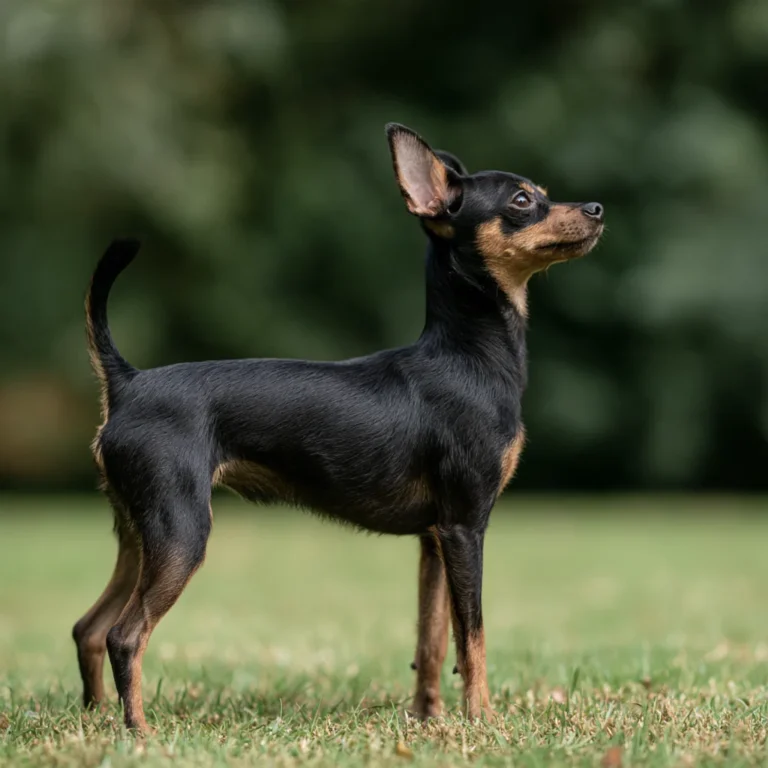
Using a Russian Toy stud dog
Russian Toy stud dogs on this page are listed by their owners. Before booking a mating, ask for the stud's current BVA/KC/ISDS eye certificate and a written patella grade, ideally on the Russian Toy Club UK certificate, and check that your bitch has the same tests. The club also advises asking about Legg-Calvé-Perthes disease in the stud's lines. Confirm the dog is RKC registered with no endorsement that would prevent the litter being registered, and look up the pairing on the RKC's free inbreeding coefficient calculator, which took over from the Kennel Club's older Mate Select service; the RKC advises staying at or below the breed's annual average. Ask how many litters the dog has already sired, since overuse of popular sires reduces genetic diversity. Put the fee and terms in writing, and read the RKC's guide to finding a suitable mate.
Health tests for a Russian Toy stud
The RKC's Breed Watch places the Russian Toy in Category 1, meaning no breed-specific points of concern have been flagged for show judges beyond the standard. Under the RKC Health Standard, Good Practice for this breed is managing genetic diversity rather than a specific screening test, and Best Practice adds an eye examination under the BVA/KC/ISDS Eye Scheme. The RKC's eye screening guidance advises examining breeding dogs within the 12 months before a mating and once more at 8 years of age if they have been bred from; examinations are carried out by BVA eye panellists.
The Health Standard also lists patellar testing as a breed club health scheme for the Russian Toy. The Russian Toy Club UK health page offers a patella test certificate that most vets can complete and explains the four grades of luxation. It describes Legg-Calvé-Perthes disease as rare in the breed with no known DNA test, and quotes a breed average inbreeding coefficient of 0.8%. Eye results for registered dogs can be checked on the Health Test Results Finder, and health questions can be raised with the breed health co-ordinator named on the RKC breed page.
Good Practice (RKC)
- Prioritising genetic diversity (check the inbreeding coefficient of the planned mating)
Best Practice (RKC), in addition
- Eye testing using the BVA/KC/ISDS Eye Scheme
Breed club health scheme (listed in the RKC Health Standard)
- Patellar testing
Breed Watch: Category 1
More for Russian Toy owners and breeders
Official sources
- Russian Toy breed information - The Royal Kennel Club
- Russian Toy breed standard - The Royal Kennel Club
- Russian Toy Club UK
- Russian Toy Club UK - Health
- Russian Toy Club UK - RKC club profile
- The Royal Kennel Club Health Standard
- Eye screening scheme - The Royal Kennel Club
- BVA Hereditary Eye Disease Scheme
- Breed Watch Category 1 - The Royal Kennel Club
- Inbreeding coefficient calculator - The Royal Kennel Club
- Dog breeding licence (England) - GOV.UK
- Animal Welfare (Licensing of Activities Involving Animals) (England) Regulations 2018, Schedule 6