
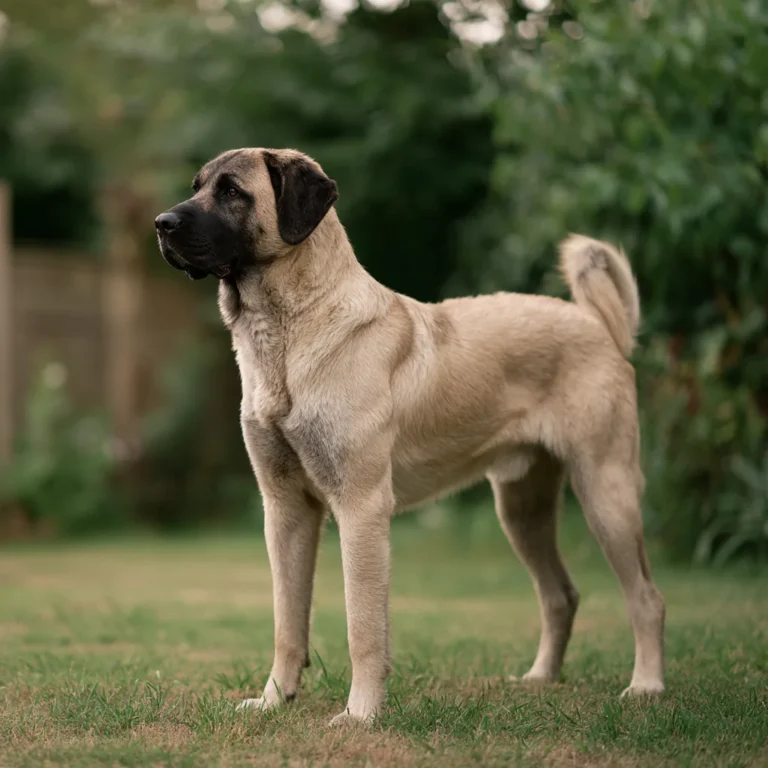
Buying a Turkish Kangal Dog puppy
Turkish Kangal Dog puppies grow into large, independent flock guardians, so think about the adult dog before you contact a breeder. The RKC suggests more than two hours of exercise a day and a country home with a large garden. The breed club describes Kangals as territorial, quick to bark at visitors and unreliable on recall, so secure boundaries and patient training without harsh handling matter. The RKC Health Standard lists no breed-specific DNA tests for the breed, so ask the breeder for the coefficient of inbreeding of the litter and about any voluntary screening the parents have had. Meet the puppies with their mother, and ask for written feeding details and any registration papers. If the breeder is licensed, check that the licence number appears in the advert. caninebreeder.co.uk does not vouch for individual breeders, so check every claim yourself.
Health tests to ask about
The RKC Health Standard currently lists no breed-specific DNA tests or veterinary screening schemes for the Turkish Kangal Dog. Its Good Practice advice for the breed is to prioritise genetic diversity. The RKC offers no breed-specific DNA testing package, although individual DNA tests can be ordered, and no additional breed-specific breeding restrictions apply.
A practical way to support genetic diversity is to check the coefficient of inbreeding (COI) of a planned mating before it goes ahead. The RKC's online calculator does this for registered dogs.
The RKC does not list hip scoring for this breed, but the BVA Hip Dysplasia Scheme is not limited to particular breeds, so you can ask whether the parents have been screened voluntarily. Dogs must be at least a year old, each hip is scored from 0 to 53 with lower scores better, and the BVA recommends breeding only from dogs scoring below or close to the breed median.
The Turkish Kangal Dog Club's code of ethics commits members not to perpetuate hereditary defects, not to breed from a bitch before 18 months, and normally not more than once in any 12 months.
The breed is in Breed Watch Category 1, meaning the RKC has identified no visible concerns linked to conformation. No test or breeding plan can guarantee a puppy's future health.
Good Practice (RKC Health Standard)
- Prioritising genetic diversity (check the coefficient of inbreeding for each planned mating)
Best Practice (RKC Health Standard)
- No breed-specific DNA tests or screening schemes currently listed
More for Turkish Kangal Dog owners and breeders
- Turkish Kangal Dog: breeders
- Turkish Kangal Dog: puppies for sale
- Turkish Kangal Dog: stud dogs
- All Pastoral group breeds
Official sources
- Turkish Kangal Dog breed information - The Royal Kennel Club
- Turkish Kangal Dog breed standard - The Royal Kennel Club
- The Royal Kennel Club Health Standard
- Inbreeding coefficient calculator - The Royal Kennel Club
- Breed Watch Category 1 - The Royal Kennel Club
- Hip Dysplasia Scheme - British Veterinary Association
- Turkish Kangal Dog Club (UK)
- Breed background - Turkish Kangal Dog Club (UK)
- Code of ethics - Turkish Kangal Dog Club (UK)