
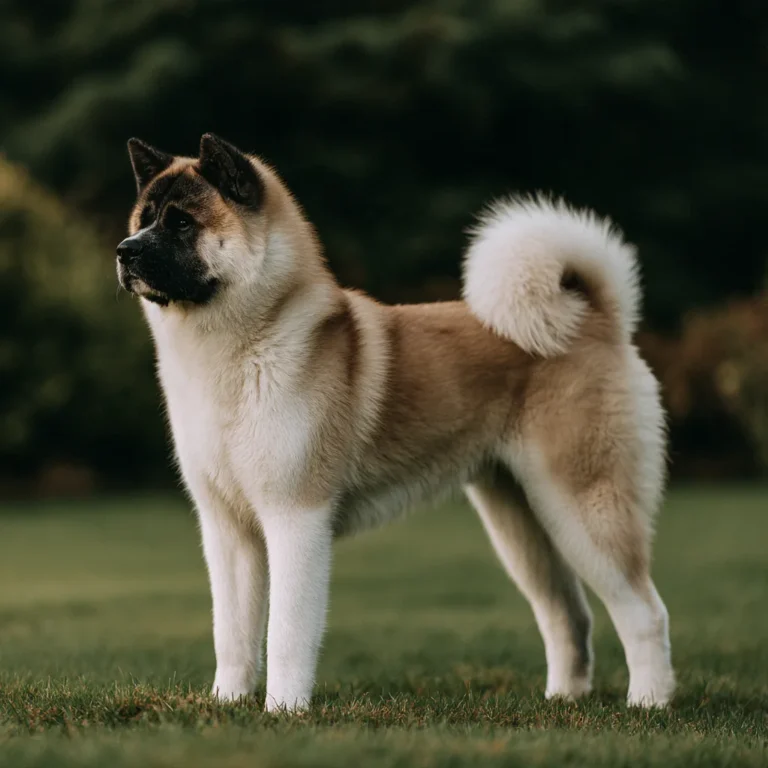
Using an Akita stud dog
Akita stud dogs
This page lists Akita stud dogs offered by UK breeders. Before you agree a mating, ask for the dog's registered name and check his hip score and eye certificate on the RKC Health Test Results Finder; the RKC lists both as best practice for the breed and advises an eye examination within the 12 months before mating. Then put the proposed pairing through the RKC inbreeding coefficient calculator and aim for a figure at or below the breed average, and ideally as low as possible.
Temperament matters as much as paperwork in a breed the standard calls aloof and inclined to dominance with other dogs, so meet the stud dog if you can. Confirm his RKC registration, the fee and what happens if your bitch does not conceive, and put everything in a written stud agreement. Owners of bitches can also find experienced contacts in our Akita breeder listings.
Health tests for an Akita stud
Akita health and testing
On its Akita breed page the RKC sorts pre-breeding health screening into good practice, which it strongly recommends as a minimum, and best practice. For the Akita, good practice is prioritising genetic diversity: check a planned mating on the RKC inbreeding coefficient calculator and aim for puppies at or below the breed average, and ideally as low as possible. Best practice adds hip and eye screening under schemes the British Veterinary Association (BVA) runs with the RKC.
The hip scheme scores X-rays of dogs aged at least one year from 0 to 106 in total, with lower scores better. The RKC advises choosing breeding dogs with scores around and ideally below the breed median, and suggests using estimated breeding values (EBVs) where they exist. The eye scheme is a clinical examination by a BVA-appointed eye panellist, and the RKC advises examining adult breeding dogs within the 12 months before a mating. Results for registered dogs appear on the RKC Health Test Results Finder, so you can check them yourself.
The Akita is in Breed Watch Category 1, meaning no breed-specific points of concern have been flagged for show judges. That relates to conformation in the ring; it is not a statement that the breed is free of health problems.
- Prioritising genetic diversity (RKC good practice): inbreeding coefficient checked against the breed average
- Hip testing using the BVA/KC Hip Dysplasia Scheme (RKC best practice)
- Eye testing using the BVA/KC/ISDS Eye Scheme (RKC best practice)
- Breed Watch: Category 1
More for Akita owners and breeders
Official sources
- Akita breed information - The Royal Kennel Club
- Akita breed standard - The Royal Kennel Club
- Japanese Akita Inu breed standard (for comparison) - The Royal Kennel Club
- Breed Watch Category 1 - The Royal Kennel Club
- Hip dysplasia screening - The Royal Kennel Club
- Eye screening - The Royal Kennel Club
- Hip Dysplasia Scheme for dogs - British Veterinary Association
- Hereditary Eye Disease Scheme for dogs - British Veterinary Association
- Health Test Results Finder - The Royal Kennel Club
- Inbreeding coefficient (COI) lookup - The Royal Kennel Club
- Find a club (filter breed clubs by Akita) - The Royal Kennel Club
- Akita Rescue & Welfare UK
- Dog breeding licence in England - GOV.UK