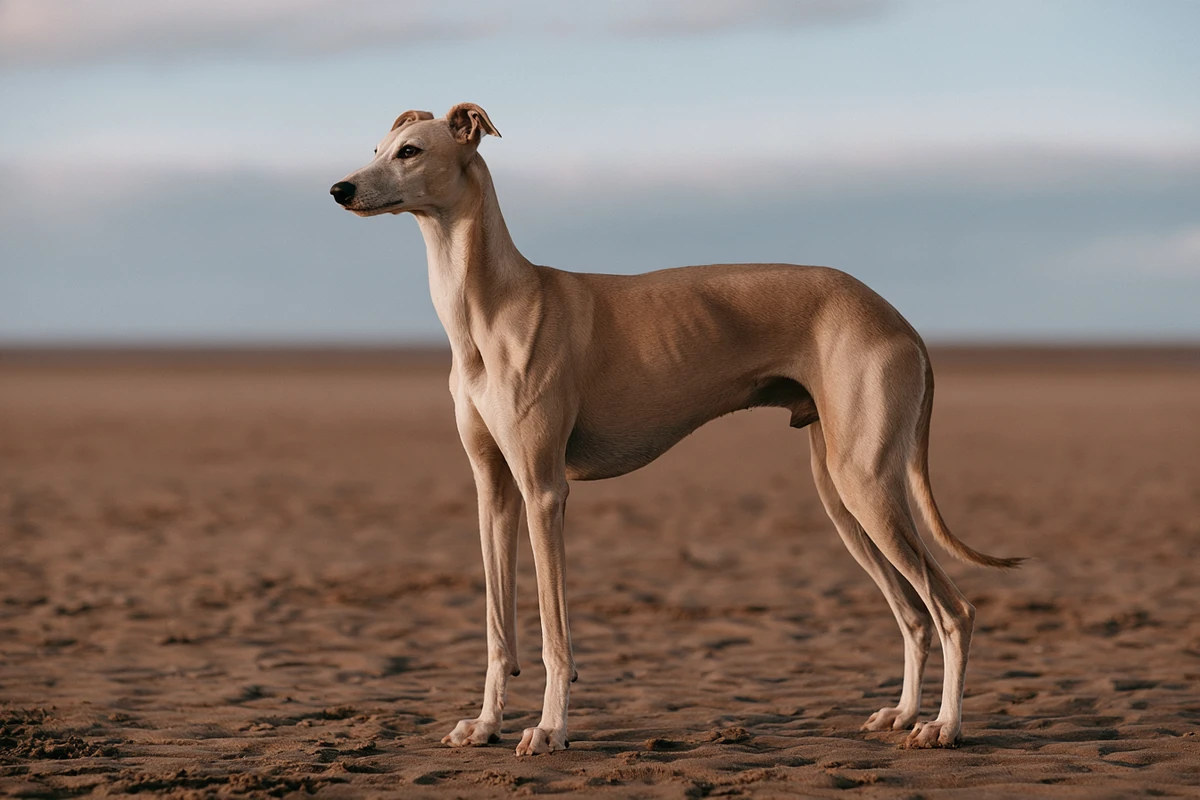
Advertise your Deerhound stud dog
Offer your Deerhound at stud to owners of health-tested bitches. Show his registration, health test results and achievements, and link the listing to your free breeder profile.
No breeders are listed here yet, so the first profiles get the page to themselves.
- Free basic profile: your breeder or company name, website, social media, location, breeds and industries.
- Litters and stud dogs advertised in their own sections, never mixed with puppies for sale.
- Premium showcase for your services and prices, previous customers, awards, video, gallery and health certificates, with your phone and email shown to buyers.
- Sponsored articles about your breed or industry, written and published by our team.
- Featured placement at the top of this page, labelled as sponsored.
Is it free to advertise here?
Yes. A breeder profile and your litter and stud dog adverts are free. Premium profiles, featured placement and sponsored articles are optional paid extras; see pricing.
Do I need a licence to advertise puppies?
In England you need a dog breeding licence from your council if you breed three or more litters in 12 months or breed and sell dogs as a business, and Wales, Scotland and Northern Ireland have their own schemes. Licensed breeders show their licence number and issuing council on every advert. Puppies must be at least eight weeks old before they go to new homes.
Is my listing already here?
We add licensed breeders from councils' public registers. Search for your kennel name; if it is listed you can claim it and edit everything.
Using a Deerhound stud dog
This page lists Deerhound stud dogs offered by UK owners. The RKC's good-practice advice for this breed is to prioritise genetic diversity, and in a population this small one popular sire can have a big effect on the gene pool. Check any proposed pairing with the RKC's inbreeding coefficient calculators, aiming at or below the breed average, and ask how many litters the dog has already sired. Request his Factor VII deficiency and hairlessness DNA results and his heart scan reports, and ask whether his earlier litters were bile acid screened for liver shunt. The Deerhound Club says Factor VII testing is meant to inform mating choices, not to remove carriers from breeding. The RKC's stud dog guidance says a stud should be registered with The Royal Kennel Club, carry no endorsements that would stop his puppies being registered, and work under a written contract, with terms and fee agreed before the mating.
Health tests for a Deerhound stud
The RKC Deerhound breed page lists a single good-practice item before breeding: prioritising genetic diversity, which matters in a vulnerable native breed with a relatively small gene pool. It lists no screening schemes or DNA tests of its own, offers no breed-specific DNA test package, and refers breeders to the breed club's health scheme. The breed is in Breed Watch Category 1, meaning no breed-specific points of concern have been flagged for judges.
The Deerhound Club's Health Matters pages set out that scheme. The club recommends a single post-feeding bile acid blood test to screen litters for congenital portosystemic shunt before sale and arranges low-cost testing; of 995 puppies tested from 2014 to 2022, 24 (about 2.4%) had raised results. It runs a heart study into dilated cardiomyopathy (DCM) with subsidised echocardiograms for members, keeps a mortality survey, and collects data on delayed post-operative haemorrhage (DEPOH), for which a DNA test is available from a US laboratory. It also points breeders to DNA tests for Factor VII deficiency, a clotting disorder, and for a form of hairlessness caused by an SGK3 variant, and stresses that Factor VII testing is for informed mating choices rather than for excluding hounds from breeding. Its ownership guide urges owners to learn the signs of bloat.
- Prioritising genetic diversity (RKC good practice), using the RKC inbreeding coefficient calculators
- Breed club health scheme (referred to by the RKC): bile acid screening of puppies for liver shunt before sale
- Breed club heart screening (echocardiogram) for DCM
- DNA test for Factor VII deficiency (breed club; not an RKC-listed test)
- DNA test for hairlessness, SGK3 variant (breed club; not an RKC-listed test)
- DNA test for the DEPOH mutation (breed club data project; US laboratory)
- Breed Watch: Category 1
More for Deerhound owners and breeders
- Deerhound: breeders
- Deerhound: puppies for sale
- Deerhound: stud dogs
- All Hound group breeds
- Lure coursing for sighthounds
Official sources
- Deerhound breed information u2013 The Royal Kennel Club
- Deerhound breed standard u2013 The Royal Kennel Club
- Vulnerable native breeds u2013 The Royal Kennel Club
- Breed Watch Category 1 u2013 The Royal Kennel Club
- Manage and maintain genetic diversity u2013 The Royal Kennel Club
- Health Test Results Finder u2013 The Royal Kennel Club
- Inbreeding calculators u2013 The Royal Kennel Club
- Using your dog as stud u2013 The Royal Kennel Club
- Dog breeding licence (England) u2013 GOV.UK