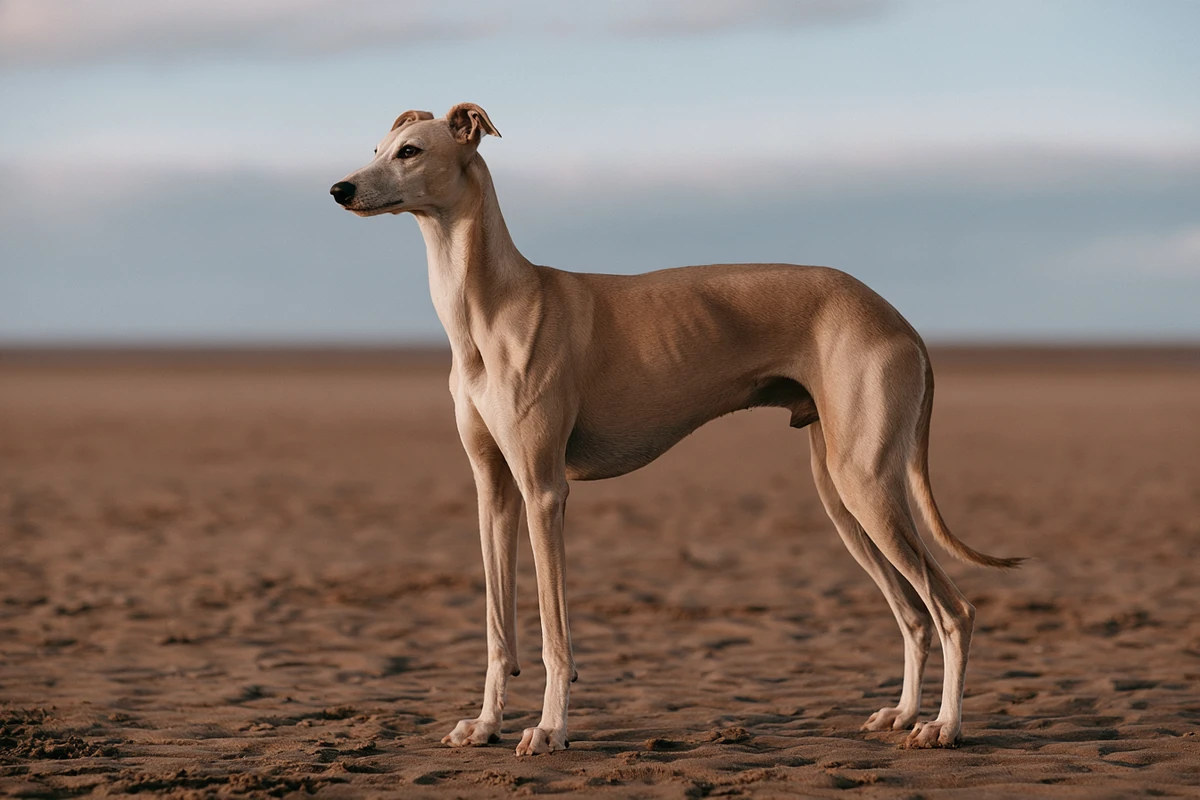
Advertise your Foxhound stud dog
Offer your Foxhound at stud to owners of health-tested bitches. Show his registration, health test results and achievements, and link the listing to your free breeder profile.
No breeders are listed here yet, so the first profiles get the page to themselves.
- Free basic profile: your breeder or company name, website, social media, location, breeds and industries.
- Litters and stud dogs advertised in their own sections, never mixed with puppies for sale.
- Premium showcase for your services and prices, previous customers, awards, video, gallery and health certificates, with your phone and email shown to buyers.
- Sponsored articles about your breed or industry, written and published by our team.
- Featured placement at the top of this page, labelled as sponsored.
Is it free to advertise here?
Yes. A breeder profile and your litter and stud dog adverts are free. Premium profiles, featured placement and sponsored articles are optional paid extras; see pricing.
Do I need a licence to advertise puppies?
In England you need a dog breeding licence from your council if you breed three or more litters in 12 months or breed and sell dogs as a business, and Wales, Scotland and Northern Ireland have their own schemes. Licensed breeders show their licence number and issuing council on every advert. Puppies must be at least eight weeks old before they go to new homes.
Is my listing already here?
We add licensed breeders from councils' public registers. Search for your kennel name; if it is listed you can claim it and edit everything.
Using a Foxhound stud dog
Foxhound stud dogs listed here are advertised by their owners. With RKC registrations for the breed in single figures every year from 2016 to 2025, the choice of sire has a real effect on the diversity of the registered population. The RKC lists no DNA tests or screening schemes for the Foxhound, so ask the owner about the dog's general health, his age and the health of his relatives, and look up any results recorded on the RKC Health Test Results Finder. Check that he is registered with the Royal Kennel Club if you plan to register the litter. Run each possible pairing through the RKC's inbreeding coefficient calculator and compare the result with the breed's annual average; a less closely related sire helps protect genetic diversity. Agree the stud fee, the number of matings and what happens if no puppies are born in writing before you travel.
Health tests for a Foxhound stud
The Royal Kennel Club does not list any breed-specific DNA tests or screening schemes for the Foxhound. Its one Good Practice recommendation for the breed is to prioritise genetic diversity when planning a litter. That advice matters in a breed with only a handful of RKC registrations each year, because a small registered population can lose variety quickly if the same few dogs are bred from again and again.
In practice this means checking the coefficient of inbreeding (COI) of a planned mating with the RKC's inbreeding coefficient calculator, aiming for a figure no higher than the breed's yearly average, and lower where possible, and not relying heavily on one popular sire. The COI is the likelihood that a puppy receives two copies of the same gene from an ancestor that appears on both sides of its pedigree, so a lower figure means less inbreeding.
The Foxhound is in Breed Watch Category 1: show judges have not been asked to watch for any extra points of concern in this breed beyond the breed standard itself. Buyers can look up any results recorded for a registered dog on the RKC Health Test Results Finder. No test or scheme can guarantee that an individual puppy will stay healthy.
Health tests and schemes for the Foxhound (RKC):
- No breed-specific DNA tests or BVA/KC screening schemes are listed by the RKC at present
- Prioritising genetic diversity, for example by checking the coefficient of inbreeding of a planned mating (RKC Good Practice)
- Breed Watch: Category 1
More for Foxhound owners and breeders
Official sources
- Foxhound breed information - Royal Kennel Club
- Foxhound breed standard - Royal Kennel Club
- Vulnerable native breeds and At Watch lists - Royal Kennel Club
- Genetic diversity: managing and maintaining - Royal Kennel Club
- Breed Watch Category 1 - Royal Kennel Club
- Inbreeding coefficient calculator - Royal Kennel Club
- Health Test Results Finder - Royal Kennel Club
- Find a Foxhound puppy - Royal Kennel Club
- Hunting Act 2004 - legislation.gov.uk
- Animal Welfare (Licensing of Activities Involving Animals) (England) Regulations 2018, Schedule 1
- Dog breeding licence (England) - GOV.UK
- Get your dog or cat microchipped - GOV.UK