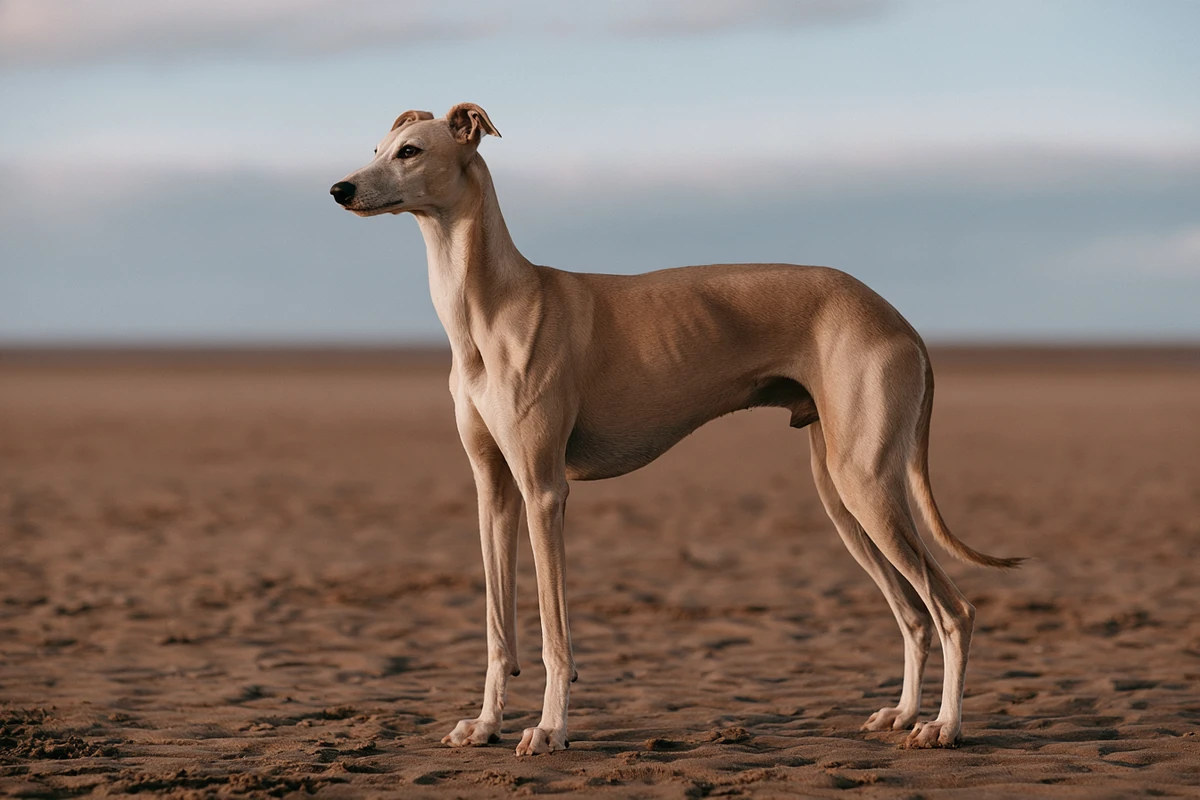
Advertise your Otterhound stud dog
Offer your Otterhound at stud to owners of health-tested bitches. Show his registration, health test results and achievements, and link the listing to your free breeder profile.
No breeders are listed here yet, so the first profiles get the page to themselves.
- Free basic profile: your breeder or company name, website, social media, location, breeds and industries.
- Litters and stud dogs advertised in their own sections, never mixed with puppies for sale.
- Premium showcase for your services and prices, previous customers, awards, video, gallery and health certificates, with your phone and email shown to buyers.
- Sponsored articles about your breed or industry, written and published by our team.
- Featured placement at the top of this page, labelled as sponsored.
Is it free to advertise here?
Yes. A breeder profile and your litter and stud dog adverts are free. Premium profiles, featured placement and sponsored articles are optional paid extras; see pricing.
Do I need a licence to advertise puppies?
In England you need a dog breeding licence from your council if you breed three or more litters in 12 months or breed and sell dogs as a business, and Wales, Scotland and Northern Ireland have their own schemes. Licensed breeders show their licence number and issuing council on every advert. Puppies must be at least eight weeks old before they go to new homes.
Is my listing already here?
We add licensed breeders from councils' public registers. Search for your kennel name; if it is listed you can claim it and edit everything.
Using an Otterhound stud dog
Otterhound stud dogs on this page are advertised by their owners. With so few Otterhounds in the UK, each mating has a noticeable effect on the breed's gene pool, so use the RKC's online inbreeding coefficient calculator to check the pairing before you commit. Ask for the dog's hip and elbow results and his Glanzmann's thrombasthenia status. A carrier can only be used with a bitch who is clear by DNA test or by descent, and an imported dog can only be registered once his status is proven. Check that he is RKC registered and does not carry a "progeny not eligible for registration" endorsement. Ask about epilepsy in his family, and check the Otterhound Club's list of declared fitters and its breeding advice. Agree the fee and terms in writing.
Health tests for an Otterhound stud
At Good Practice level, the RKC Health Standard for the Otterhound lists three points: prioritising genetic diversity, hip screening under the BVA/KC Hip Dysplasia Scheme and elbow screening under the BVA/KC Elbow Dysplasia Scheme. Both X-rays can be taken once a dog is at least one year old.
At Best Practice level, it lists a DNA test for Glanzmann's thrombasthenia. This inherited recessive disorder stops the blood clotting properly. Signs usually appear before a year old and include bleeding gums as the adult teeth come through, easy bruising, nosebleeds, and blood in urine or faeces. Since 6 January 2025, the RKC has only registered imported Otterhounds proven clear or carrier, or with hereditary clear status. Identified carriers may only be mated to a hound that is clear by DNA test or by descent.
The RKC breed page also points to a breed club health scheme. The Otterhound Club keeps a list of declared fitters (hounds that have had seizures) with breeding advice, publishes hip and elbow score tables, and has a Breed Health Co-ordinator and a health sub-committee that produces an annual health report. The breed is in Breed Watch Category 1, so no conformation concerns are singled out for judges. Testing reduces risk but cannot guarantee a healthy puppy.
Health tests and schemes for the Otterhound:
- BVA/KC Hip Dysplasia Scheme (RKC Good Practice)
- BVA/KC Elbow Dysplasia Scheme (RKC Good Practice)
- Prioritising genetic diversity (RKC Good Practice)
- DNA test for Glanzmann's thrombasthenia (RKC Best Practice; imported dogs must be tested to be registered)
- Otterhound Club health scheme: list of declared fitters (referenced on the RKC breed page)
- Breed Watch: Category 1
More for Otterhound owners and breeders
- Otterhound: breeders
- Otterhound: puppies for sale
- Otterhound: stud dogs
- All Hound group breeds
- Vulnerable native breeds
Official sources
- Otterhound breed information - Royal Kennel Club
- Otterhound breed standard - Royal Kennel Club
- Breed Watch Category 1 - Royal Kennel Club
- DNA test for Glanzmann's thrombasthenia - Royal Kennel Club
- The Otterhound Club
- So you want an Otterhound? - The Otterhound Club
- Health - The Otterhound Club
- Glanzmann's thrombasthenia - The Otterhound Club
- List of fitters and breeding advice - The Otterhound Club
- List of breeders - The Otterhound Club
- History of the Otterhound - The Otterhound Club
- Hip Dysplasia Scheme - British Veterinary Association
- Elbow Dysplasia Scheme - British Veterinary Association
- Vulnerable native breeds - Royal Kennel Club
- Inbreeding coefficient calculator - Royal Kennel Club
- Animal Welfare (Licensing of Activities Involving Animals) (England) Regulations 2018, Schedule 1