
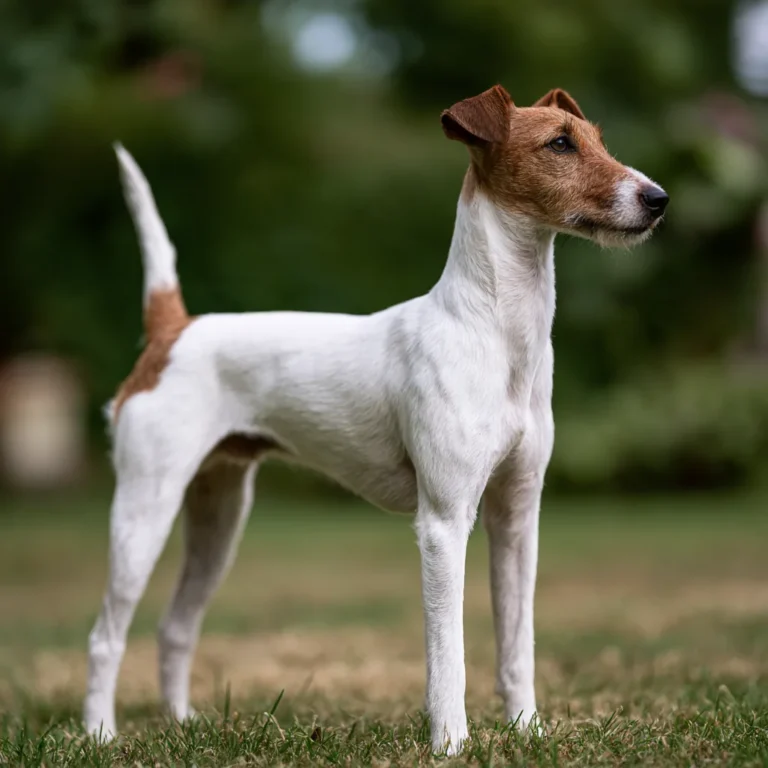
Using a Smooth Fox Terrier stud dog
This page lists Smooth Fox Terrier stud dogs offered by their owners. The breed is on the RKC's vulnerable native breeds list, so the choice of sire affects the whole UK population, and the RKC counts heavily used popular sires among the biggest contributors to lost genetic diversity. A suitable stud should be RKC registered with no endorsements that would block registration of the litter, and should have been examined under the BVA/KC/ISDS Eye Scheme, which the RKC lists as Best Practice for the breed; you can confirm results on the Health Test Results Finder. Check the pairing with the RKC's online inbreeding coefficient calculator, once part of the Kennel Club's Mate Select service, and aim for a COI at or below the breed average. Mating terms fall outside the RKC's jurisdiction, so agree the fee, repeat-mating terms and what happens if no puppies result in a signed contract. Browse Smooth Fox Terrier puppies to see current litters.
Health tests for a Smooth Fox Terrier stud
The RKC's health standard for the Smooth Fox Terrier lists prioritising genetic diversity as Good Practice and eye testing under the BVA/KC/ISDS Eye Scheme as Best Practice, and asks breeders aiming for Best Practice to complete both. The Eye Scheme's January 2026 list of breeds with known inherited eye disease, where the scheme is styled BVA/RKC/ISDS, includes the Smooth Fox Terrier for primary lens luxation (PLL). In PLL the fibres that hold the lens in place break down and the lens moves out of position; the RKC describes the condition as painful and blinding, and a lens that falls forward can quickly lead to glaucoma. At an eye examination, a BVA-appointed panellist records each listed condition as clinically affected or unaffected. Litter screening at 5 to 12 weeks looks for congenital conditions, but the RKC says complete lens luxation typically occurs at 3 to 8 years of age, so a clear litter screen does not rule PLL out.
The RKC has no breed-specific DNA testing package for the breed at present, though individual DNA tests are offered. With a small population, careful mate choice matters: aim for a COI no higher than the breed average, and check results on the RKC Health Test Results Finder.
- RKC Good Practice: prioritising genetic diversity (compare the mating's COI with the breed average)
- RKC Best Practice: eye examination under the BVA/KC/ISDS Eye Scheme
- Inherited eye disease listed for the breed by the Eye Scheme (January 2026): primary lens luxation (PLL)
- RKC breed-specific DNA testing package: none currently offered
- Breed Watch: Category 1 (no breed-specific points of concern identified for judges)
More for Smooth Fox Terrier owners and breeders
- Smooth Fox Terrier: breeders
- Smooth Fox Terrier: puppies for sale
- Smooth Fox Terrier: stud dogs
- All Terrier group breeds
Official sources
- Fox Terrier (Smooth) breed information (The Royal Kennel Club)
- Fox Terrier (Smooth) breed standard (The Royal Kennel Club)
- Breed Watch Category 1 explained (The Royal Kennel Club)
- Vulnerable native breeds (The Royal Kennel Club)
- The Royal Kennel Club Health Standard
- Eye Scheme (British Veterinary Association canine health schemes)
- Known inherited ocular diseases list, January 2026 (British Veterinary Association)
- Inbreeding coefficient calculator (The Royal Kennel Club)
- Inbreeding calculators explained (The Royal Kennel Club)
- Health Test Results Finder (The Royal Kennel Club)
- Using your dog as stud (The Royal Kennel Club)
- Fox Terrier breed information (The Fox Terrier Club)
- Fox Terrier rescue (The Fox Terrier Club)
- Dog breeding licence in England (GOV.UK)
- Selling puppies: Schedule 6, Animal Welfare (Licensing of Activities Involving Animals) (England) Regulations 2018