
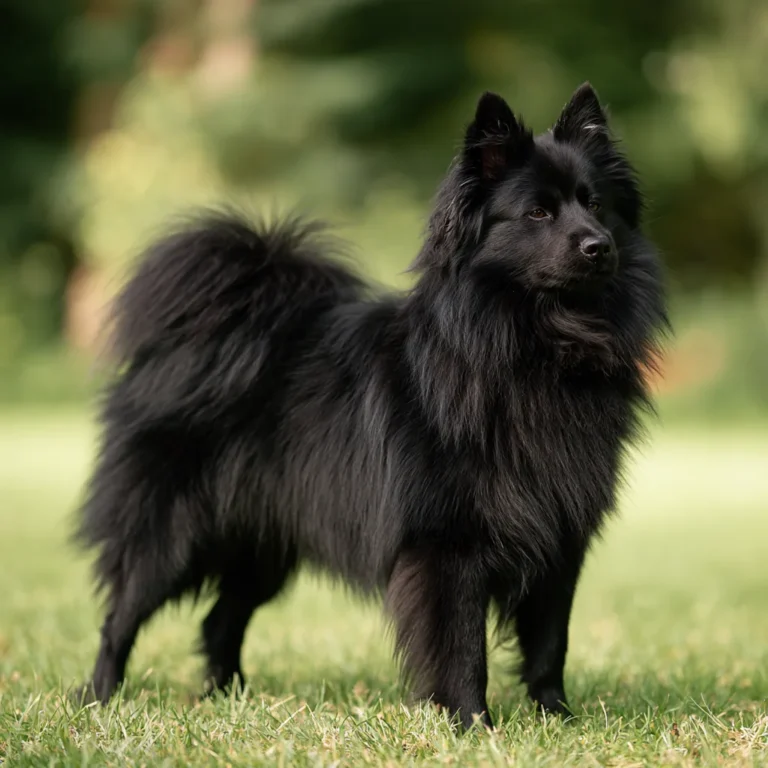
About the Swedish Lapphund
The Swedish Lapphund is a Nordic spitz in The Royal Kennel Club's Pastoral group. For centuries it was used in the far north by the nomadic Sami people to herd reindeer. The RKC notes that in its home country it is now valued for its intelligence and trainability and is a popular companion. The breed page of the Lapinkoira Association of Great Britain, which covers the Lapphund breeds, carries information from the Lapphund Club of Finland. It says the Swedish Lapphund was feared extinct in the first half of the 20th century until native dogs were gathered to save it, and that its first breed standard was accepted in 1944.
The breed is on the RKC Imported Breed Register, which is why the RKC lists it as Swedish Lapphund (Imp). The register is for imported breeds that are newly recognised in the UK. Dogs on it can compete straight away in activities such as agility, obedience, rally and working trials, while showing is limited to certain classes and allowed only once an interim breed standard is in place. A breed stays on this register until the RKC considers it well enough established to move to the main Breed Register.
The RKC classes the Swedish Lapphund as medium sized. The breed standard describes a typical spitz with a rectangular outline, slightly longer than it is tall. Dogs measure 45 to 51 cm (18 to 20 in), ideally 48 cm, and bitches 40 to 46 cm (16 to 18 in), ideally 43 cm. The weather-resistant coat stands out from the body, forms a ruff around the neck and has a dense, finely curled undercoat. Bear-brown, black, brown or a mix of black and brown are accepted, with solid colours preferred and white marks on the chest, feet and tail tip allowed. The RKC recommends grooming once a week, and the breed sheds.
The RKC suggests up to an hour of exercise a day and lists the breed as suited to a small house with a small to medium garden, in town or country. The standard describes an intelligent, quick-learning and patient dog that is kind, friendly, devoted, lively and alert. The RKC gives a typical lifespan of over 10 years.
Swedish Lapphund health tests
The RKC's only Good Practice item for the Swedish Lapphund is prioritising genetic diversity, and it does not currently offer a breed-specific DNA test package. That puts the emphasis on how closely related the parents are. The RKC's genetic diversity guidance asks breeders to aim for puppies with a coefficient of inbreeding at or below the breed's annual average, and asks stud dog owners to limit how often a dog is used.
On Breed Watch, the RKC places the breed in Category 1, for breeds whose conformation raises no visible health concerns. Judges have no breed-specific points of concern beyond those routinely covered by the standard.
The breed information on the Lapinkoira Association of Great Britain site, supplied by the Lapphund Club of Finland, names epilepsy, hip dysplasia and progressive retinal atrophy (PRA) among conditions found in some breeding stock and encourages breeders to examine their dogs regularly. The RKC does not list tests for these conditions for the breed, but the BVA/KC/ISDS Eye Scheme is open to all dogs and the BVA also runs a hip scheme, so it is reasonable to ask a breeder whether they have used either.
What the RKC lists for the Swedish Lapphund:
- Good Practice: prioritising genetic diversity
- No breed-specific DNA test package offered by the RKC at present
- Breed Watch: Category 1 (no breed-specific points of concern)
Choosing a Swedish Lapphund breeder
Because the RKC's Good Practice advice for the Swedish Lapphund is about genetic diversity, a thoughtful breeder should be able to tell you the litter's coefficient of inbreeding, how it compares with the breed average, and why they chose that stud dog. With the breed on the Imported Breed Register, it is worth asking whether either parent was imported and how the breeder hopes to keep the UK population varied. A good breeder will also be open about any health checks they have chosen to do, such as eye or hip examinations, and about any conditions that have appeared in their lines. Expect to meet the mother with her puppies and to be asked about your home, routine and plans for exercise; the standard describes a lively and alert dog. Puppies must be microchipped and registered on a database by eight weeks old, and in England a breeder with three or more litters in any 12-month period who sells puppies, or who runs a business breeding and advertising dogs, needs a council licence.
- What is the coefficient of inbreeding for this litter, and what is the breed average?
- Was either parent imported, and can I see both pedigrees?
- Have the parents had any eye or hip examinations, and can I see the results?
- Has epilepsy or any other health problem appeared in your lines?
- Can I meet the mother and see where the puppies are raised?
Swedish Lapphund questions
What does (Imp) mean after the Swedish Lapphund's name?
It shows the breed is on the RKC Imported Breed Register, which is for imported breeds that are newly recognised in the UK. Dogs on it can take part in activities such as agility, obedience and working trials, while showing is limited until an interim breed standard is published. A breed moves to the main Breed Register once the RKC considers it well established.
How big is a Swedish Lapphund?
The RKC classes it as a medium-sized breed. The breed standard gives dogs 45 to 51 cm (18 to 20 in), ideally 48 cm, and bitches 40 to 46 cm (16 to 18 in), ideally 43 cm.
How much grooming does a Swedish Lapphund need?
The RKC suggests grooming once a week. The coat is weather resistant, with a ruff around the neck and a dense, finely curled undercoat, and the breed sheds.
What health checks should a Swedish Lapphund's parents have?
The RKC's Good Practice advice for the breed is prioritising genetic diversity, so ask for the litter's coefficient of inbreeding and how it compares with the breed average. The RKC lists no specific screening tests, but you can ask whether the parents have had voluntary eye or hip examinations.
More for Swedish Lapphund owners and breeders
- Swedish Lapphund: breeders
- Swedish Lapphund: puppies for sale
- Swedish Lapphund: stud dogs
- All Pastoral group breeds
Official sources
- Swedish Lapphund (Imp) breed information, The Royal Kennel Club
- Swedish Lapphund (Imp) breed standard, The Royal Kennel Club
- Imported Breed Register Policy, The Royal Kennel Club
- Breed Watch Category 1, The Royal Kennel Club
- Genetic diversity: managing and maintaining, The Royal Kennel Club
- Inbreeding calculators (COIs), The Royal Kennel Club
- Health Test Results Finder, The Royal Kennel Club
- BVA/KC/ISDS Eye Scheme
- BVA Hip Dysplasia Scheme
- Lapinkoira Association of Great Britain: Swedish Lapphund
- Dog breeding licence (England), GOV.UK