
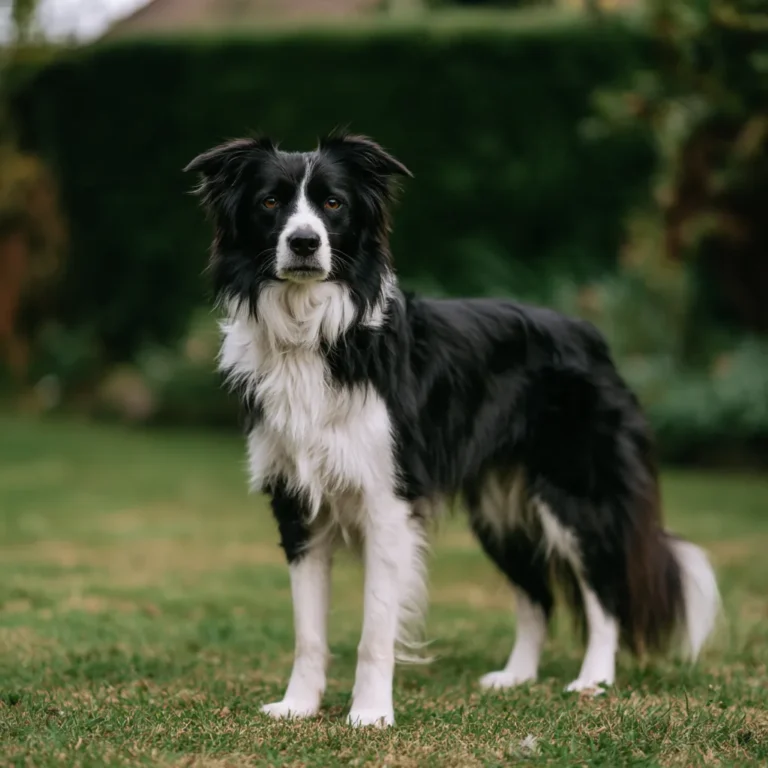
No Border Collie puppies are listed right now
Breeders add puppies when they have a litter. 3 breeders list the Border Collie. Ask them about their next litter.
Border Collie breeders
- Border CollieSpecialities: not listed yet
Isilme German Spitz
Blyton, Lincolnshire - Cockapoo · Border Collie · Cocker SpanielSpecialities: Companion and family dogsMixed breeder
Hondonvale Cockers & Collies Limited
Huddersfield, West Yorkshire - Border CollieSpecialities: not listed yetLicensed breeder2-star licence
Darleyfalls Border Collies
Oldbury, West Midlands

Do you breed the Border Collie? Add a litter free.
Buying a Border Collie puppy
Looking for Border Collie puppies for sale? Litters on this page are advertised by breeders across the UK, and the details they give, including health testing, are their own declarations, so check them before you travel. Both parents should have a current eye examination under the BVA/KC/ISDS Eye Scheme, and the RKC also recommends DNA tests for conditions such as CEA, TNS and glaucoma risk; confirm RKC results on the Health Test Results Finder or ask for ISDS certificates. Visit in person, meet the puppies with their mother and see where they are being raised. Never pay a deposit before you have viewed the litter. A Border Collie puppy needs daily training and a plan for its adult exercise, so think honestly about your time before you choose. You can also compare Border Collie stud dogs or read our guide to buying a puppy safely.
Health tests to ask about
The RKC lists a long set of health screening for the Border Collie. Under the RKC Health Standard, the Good Practice test, which the RKC strongly recommends as a minimum before breeding, is an eye examination, including gonioscopy, under the BVA/KC/ISDS Eye Scheme (run by the BVA). The Best Practice list adds eight DNA tests plus hip, elbow and hearing screening.
Two points are specific to this breed. The DNA test for severe goniodysgenesis and glaucoma risk, announced by the RKC in July 2018, looks for a candidate mutation that is strongly associated with the disease but not proven to cause it, so the RKC asks breeders to keep presenting their dogs for gonioscopy through the Eye Scheme. Separately, the RKC will not register puppies born on or after 1 January 2013 from a merle-to-merle mating, because of the risk of impaired sight and hearing linked to the merle gene. The Border Collie is in Breed Watch Category 1, meaning no breed-specific points of concern have been flagged for show judges.
- Good Practice: eye testing, including gonioscopy, under the BVA/KC/ISDS Eye Scheme
- Best Practice: DNA test for Collie Eye Anomaly/Choroidal Hypoplasia (CEA/CH), an inherited disorder of eye development
- Best Practice: DNA test for Ceroid Lipofuscinosis (CL)
- Best Practice: DNA test for Imerslund-Gräsbeck Syndrome (IGS), in which vitamin B12 is not absorbed from the gut
- Best Practice: DNA test for Multi-drug Resistance (MDR1)
- Best Practice: DNA test for Trapped Neutrophil Syndrome (TNS), which leaves affected puppies with a weakened immune system
- Best Practice: DNA test for Sensory Neuropathy (SN), a progressive nerve disease
- Best Practice: DNA test for Severe Goniodysgenesis and Glaucoma Risk (GGD)
- Best Practice: DNA test for Raine's syndrome (dental hypomineralisation), which leaves teeth weaker than normal
- Best Practice: BVA/KC Hip Dysplasia Scheme
- Best Practice: BVA/KC Elbow Dysplasia Scheme
- Best Practice: KC BAER Scheme hearing test for deafness, including litter screening
- Breed Watch: Category 1
More for Border Collie owners and breeders
- Border Collie: breeders
- Border Collie: puppies for sale
- Border Collie: stud dogs
- All Pastoral group breeds
- Dog agility
- Avalanche search dogs
- Bikejor, dog scootering and skijor
- Canicross
- Cattle dogs and stock dogs
- Competitive obedience dog breeds and breeders in the UK
- Conservation and wildlife detection dogs
- Disaster and international deployment search dogs
- Disc dog
- Film, TV and advertising animal actors
Official sources
- Border Collie breed information - The Royal Kennel Club
- Border Collie breed standard - The Royal Kennel Club
- The Royal Kennel Club Health Standard
- Border Collie DNA testing package - The Royal Kennel Club
- RKC DNA testing programme for goniodysgenesis and glaucoma risk in Border Collies (2018)
- RKC DNA test reporting scheme for Raine's syndrome in Border Collies (2020)
- BAER hearing testing - The Royal Kennel Club
- Eye Scheme (hereditary eye disease) - British Veterinary Association
- Hip Dysplasia Scheme - British Veterinary Association
- Elbow Dysplasia Scheme - British Veterinary Association
- Health Test Results Finder - The Royal Kennel Club
- Inbreeding coefficient calculator - The Royal Kennel Club
- International Sheep Dog Society
- ISDS Health Hub
- Border Collie Trust GB (rescue and rehoming)
- Dog breeding licence (England) - GOV.UK
- Breeding dogs licence conditions, Schedule 6 - legislation.gov.uk