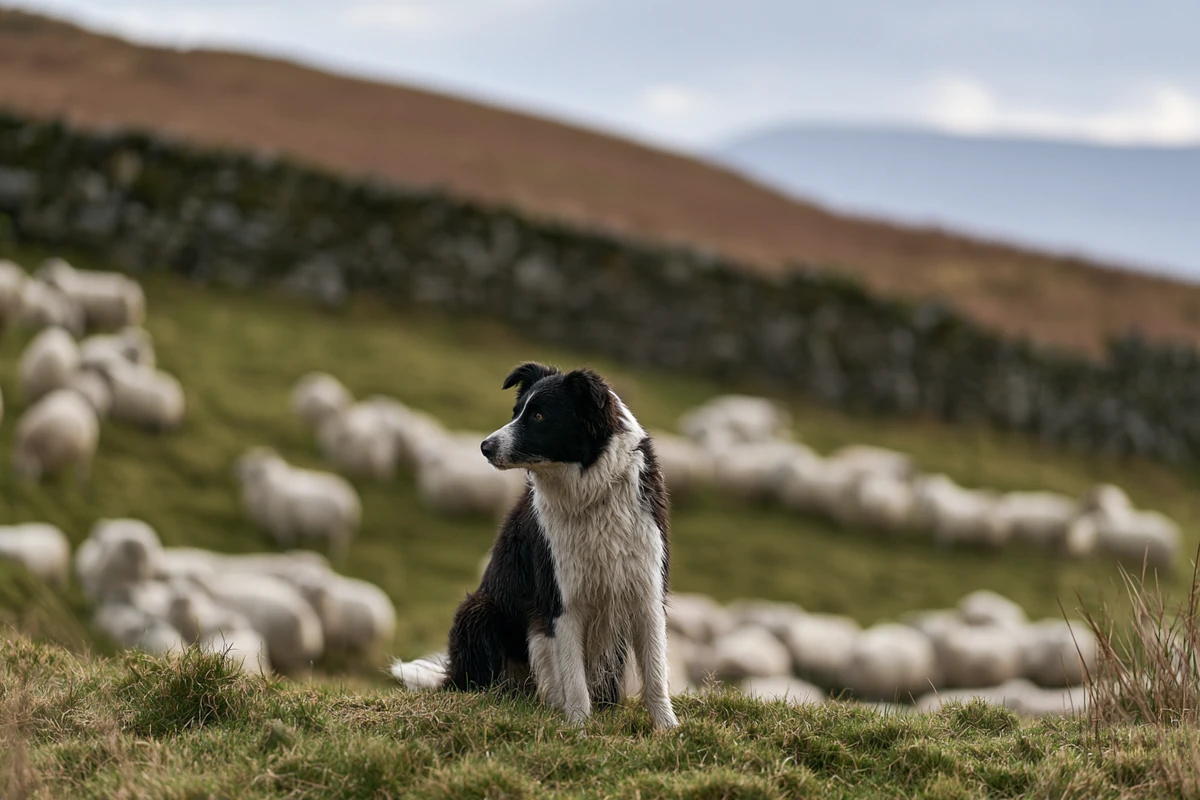
Advertise your Border Collie stud dog
Offer your Border Collie at stud to owners of health-tested bitches. Show his registration, health test results and achievements, and link the listing to your free breeder profile.
No breeders are listed here yet, so the first profiles get the page to themselves.
- Free basic profile: your breeder or company name, website, social media, location, breeds and industries.
- Litters and stud dogs advertised in their own sections, never mixed with puppies for sale.
- Premium showcase for your services and prices, previous customers, awards, video, gallery and health certificates, with your phone and email shown to buyers.
- Sponsored articles about your breed or industry, written and published by our team.
- Featured placement at the top of this page, labelled as sponsored.
Is it free to advertise here?
Yes. A breeder profile and your litter and stud dog adverts are free. Premium profiles, featured placement and sponsored articles are optional paid extras; see pricing.
Do I need a licence to advertise puppies?
In England you need a dog breeding licence from your council if you breed three or more litters in 12 months or breed and sell dogs as a business, and Wales, Scotland and Northern Ireland have their own schemes. Licensed breeders show their licence number and issuing council on every advert. Puppies must be at least eight weeks old before they go to new homes.
Is my listing already here?
We add licensed breeders from councils' public registers. Search for your kennel name; if it is listed you can claim it and edit everything.
Using a Border Collie stud dog
This page lists Border Collie stud dogs offered by owners across the UK. Before you approach a stud, check that he has a current eye examination under the BVA/KC/ISDS Eye Scheme and ask which of the Best Practice DNA tests he has had, together with his hip score, elbow grade and BAER hearing result. For RKC-registered dogs, recorded results appear on the Health Test Results Finder. Run the planned pairing through the RKC's online inbreeding coefficient calculator and, as the RKC advises, aim for a coefficient at or below the breed average. Check both dogs' colours, as the RKC will not register puppies from a merle-to-merle mating. If the litter is to be ISDS-registered, confirm the stud's ISDS registration and the society's breeding rules. Agree the fee, repeat-mating terms and paperwork in writing. A listing here is not a check of the dog's results.
Health tests for a Border Collie stud
The RKC lists a long set of health screening for the Border Collie. Under the RKC Health Standard, the Good Practice test, which the RKC strongly recommends as a minimum before breeding, is an eye examination, including gonioscopy, under the BVA/KC/ISDS Eye Scheme (run by the BVA). The Best Practice list adds eight DNA tests plus hip, elbow and hearing screening.
Two points are specific to this breed. The DNA test for severe goniodysgenesis and glaucoma risk, announced by the RKC in July 2018, looks for a candidate mutation that is strongly associated with the disease but not proven to cause it, so the RKC asks breeders to keep presenting their dogs for gonioscopy through the Eye Scheme. Separately, the RKC will not register puppies born on or after 1 January 2013 from a merle-to-merle mating, because of the risk of impaired sight and hearing linked to the merle gene. The Border Collie is in Breed Watch Category 1, meaning no breed-specific points of concern have been flagged for show judges.
- Good Practice: eye testing, including gonioscopy, under the BVA/KC/ISDS Eye Scheme
- Best Practice: DNA test for Collie Eye Anomaly/Choroidal Hypoplasia (CEA/CH), an inherited disorder of eye development
- Best Practice: DNA test for Ceroid Lipofuscinosis (CL)
- Best Practice: DNA test for Imerslund-Gräsbeck Syndrome (IGS), in which vitamin B12 is not absorbed from the gut
- Best Practice: DNA test for Multi-drug Resistance (MDR1)
- Best Practice: DNA test for Trapped Neutrophil Syndrome (TNS), which leaves affected puppies with a weakened immune system
- Best Practice: DNA test for Sensory Neuropathy (SN), a progressive nerve disease
- Best Practice: DNA test for Severe Goniodysgenesis and Glaucoma Risk (GGD)
- Best Practice: DNA test for Raine's syndrome (dental hypomineralisation), which leaves teeth weaker than normal
- Best Practice: BVA/KC Hip Dysplasia Scheme
- Best Practice: BVA/KC Elbow Dysplasia Scheme
- Best Practice: KC BAER Scheme hearing test for deafness, including litter screening
- Breed Watch: Category 1
More for Border Collie owners and breeders
- Border Collie: breeders
- Border Collie: puppies for sale
- Border Collie: stud dogs
- All Pastoral group breeds
- Dog agility
- Avalanche search dogs
- Bikejor, dog scootering and skijor
- Canicross
- Cattle dogs and stock dogs
- Competitive obedience dog breeds and breeders in the UK
- Conservation and wildlife detection dogs
- Disaster and international deployment search dogs
- Disc dog
- Film, TV and advertising animal actors
Official sources
- Border Collie breed information - The Royal Kennel Club
- Border Collie breed standard - The Royal Kennel Club
- The Royal Kennel Club Health Standard
- Border Collie DNA testing package - The Royal Kennel Club
- RKC DNA testing programme for goniodysgenesis and glaucoma risk in Border Collies (2018)
- RKC DNA test reporting scheme for Raine's syndrome in Border Collies (2020)
- BAER hearing testing - The Royal Kennel Club
- Eye Scheme (hereditary eye disease) - British Veterinary Association
- Hip Dysplasia Scheme - British Veterinary Association
- Elbow Dysplasia Scheme - British Veterinary Association
- Health Test Results Finder - The Royal Kennel Club
- Inbreeding coefficient calculator - The Royal Kennel Club
- International Sheep Dog Society
- ISDS Health Hub
- Border Collie Trust GB (rescue and rehoming)
- Dog breeding licence (England) - GOV.UK
- Breeding dogs licence conditions, Schedule 6 - legislation.gov.uk