
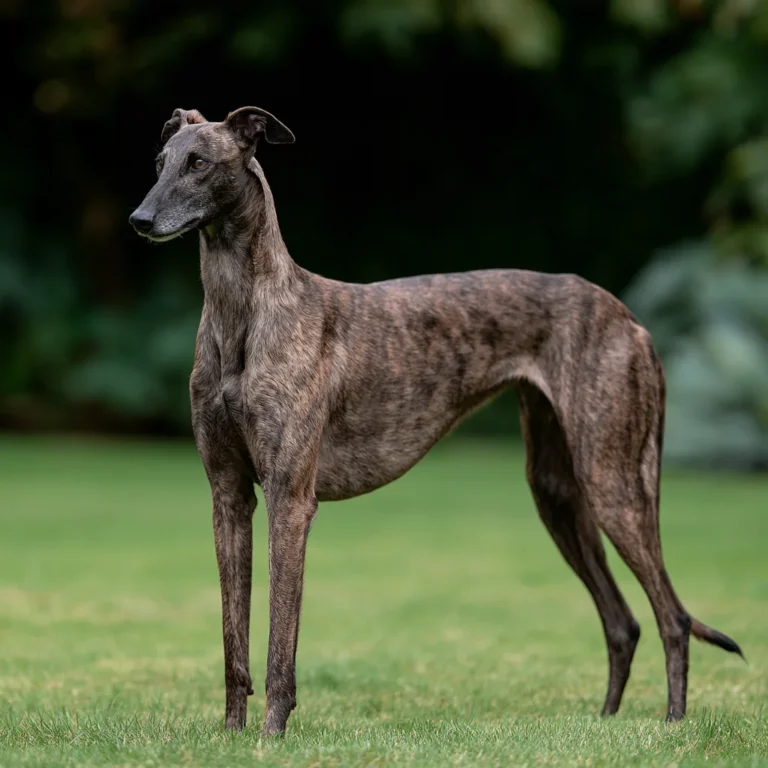
No Greyhound puppies are listed right now
Breeders add puppies when they have a litter. 3 breeders list the Greyhound. Ask them about their next litter.
Greyhound breeders
- GreyhoundSpecialities: Racing and coursing breeds
Michelle Brown Greyhounds Limited
Fenland, Cambridgeshire - GreyhoundSpecialities: Racing and coursing breeds
Aero Greyhounds Limited
Wombourne, Staffordshire - GreyhoundSpecialities: not listed yetLicensed breeder5-star licence
Dale End Italian Greyhounds
York, North Yorkshire



Do you breed the Greyhound? Add a litter free.
Buying a Greyhound puppy
Looking for Greyhound puppies for sale? Litters of pedigree, RKC-registered Greyhounds are few and far between, so start early and expect to wait. Breeders listed here show their location, website, social links and categories, so you can shortlist and contact them directly. Ask each breeder for the parents' Greyhound neuropathy results, check them on the RKC Health Test Results Finder, and ask about heart testing. See the puppies with their mother, collect your puppy in person, and do not take one home before eight weeks. If an adult dog would suit you better, charities such as the Greyhound Trust rehome retired racing greyhounds. Read our buyer safety guide before paying any money. We are an independent directory and do not inspect or endorse breeders, so please carry out your own checks.
Health tests to ask about
The Greyhound is in Breed Watch Category 1, so the RKC has not flagged any breed-specific points of concern for show judges. At Good Practice level, the minimum the RKC strongly recommends, breeders should prioritise genetic diversity, which matters in a breed with so few registered litters. At Best Practice level the RKC adds the DNA test for Greyhound neuropathy (GN). GN is a nerve disease with autosomal recessive inheritance: a puppy is affected only if it inherits the faulty gene from both parents. Signs such as muscle weakness, poor stamina and a bunny-hopping gait usually appear at around three to nine months. The RKC's genetic diversity guidance says carriers can still be bred from if they are mated only to clear dogs. The breed club notes that since January 2023, hereditary clear status no longer applies after two generations and dogs must then be tested.
The Greyhound Club UK's code of ethics also recommends a heart examination and ECG by a cardiac specialist within twelve months before mating, and the club has identified bloat, bone cancer (osteosarcoma) and heart disease as the most important conditions to tackle in the breed. Health testing lowers risk but cannot guarantee that a puppy will stay healthy.
Health tests and schemes the RKC lists for the Greyhound:
- Prioritising genetic diversity, for example by checking the coefficient of inbreeding of a planned mating (RKC Good Practice)
- DNA test for Greyhound neuropathy (GN) (RKC Best Practice)
- Breed Watch: Category 1
More for Greyhound owners and breeders
- Greyhound: breeders
- Greyhound: puppies for sale
- Greyhound: stud dogs
- All Hound group breeds
- Emotional support dogs in the UK
- Lure coursing for sighthounds
- Racing greyhounds
- Retired and gun-shy working dog rehoming
- Therapy dogs for care homes, hospitals and hospices
- University and student wellbeing dogs
Official sources
- Greyhound breed information - Royal Kennel Club
- Greyhound breed standard - Royal Kennel Club
- Vulnerable native breeds - Royal Kennel Club
- DNA test for Greyhound neuropathy (GN) - Royal Kennel Club
- Genetic diversity: managing and maintaining - Royal Kennel Club
- Breed Watch Category 1 - Royal Kennel Club
- Inbreeding coefficient (COI) lookup - Royal Kennel Club
- Dog Health Test Results Finder - Royal Kennel Club
- The Greyhound Club UK
- About the Greyhound - The Greyhound Club UK
- Greyhound health - The Greyhound Club UK
- Advice for potential puppy buyers - The Greyhound Club UK
- Code of Ethics - The Greyhound Club UK
- Retired racing Greyhounds - The Greyhound Club UK
- Greyhound Trust - rehoming retired racing greyhounds
- Dog breeding licence (England) - GOV.UK