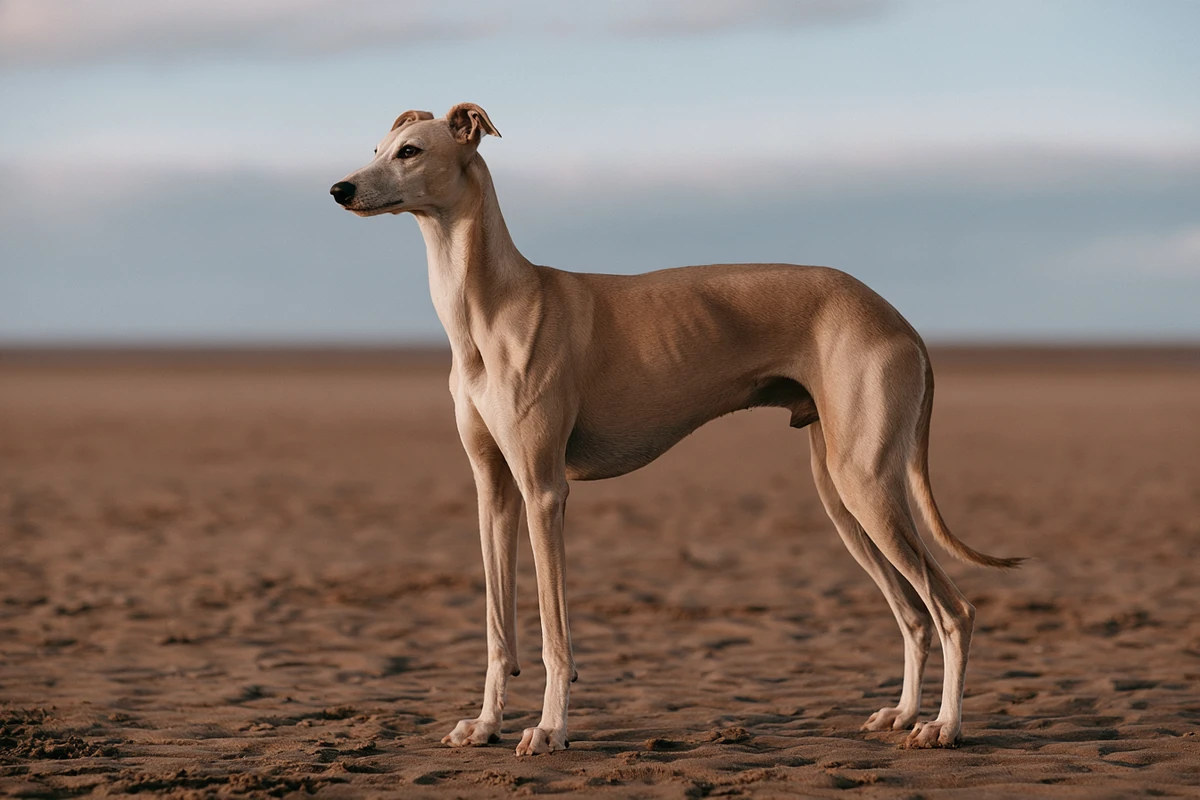
Advertise your Greyhound stud dog
Offer your Greyhound at stud to owners of health-tested bitches. Show his registration, health test results and achievements, and link the listing to your free breeder profile.
No breeders are listed here yet, so the first profiles get the page to themselves.
- Free basic profile: your breeder or company name, website, social media, location, breeds and industries.
- Litters and stud dogs advertised in their own sections, never mixed with puppies for sale.
- Premium showcase for your services and prices, previous customers, awards, video, gallery and health certificates, with your phone and email shown to buyers.
- Sponsored articles about your breed or industry, written and published by our team.
- Featured placement at the top of this page, labelled as sponsored.
Is it free to advertise here?
Yes. A breeder profile and your litter and stud dog adverts are free. Premium profiles, featured placement and sponsored articles are optional paid extras; see pricing.
Do I need a licence to advertise puppies?
In England you need a dog breeding licence from your council if you breed three or more litters in 12 months or breed and sell dogs as a business, and Wales, Scotland and Northern Ireland have their own schemes. Licensed breeders show their licence number and issuing council on every advert. Puppies must be at least eight weeks old before they go to new homes.
Is my listing already here?
We add licensed breeders from councils' public registers. Search for your kennel name; if it is listed you can claim it and edit everything.
Using a Greyhound stud dog
Greyhound stud dogs on this page are advertised by their owners. Before booking a mating, ask to see the dog's DNA result for Greyhound neuropathy; the breed club points out that hereditary clear status now lasts only two generations before a test is needed. The Greyhound Club UK also recommends a heart examination and ECG by a cardiac specialist within twelve months before mating. Confirm that he is on the Royal Kennel Club register and ask about any endorsements, because the RKC has rules that can stop a litter being registered. The pedigree Greyhound gene pool is small, so run the pairing through the RKC's inbreeding coefficient calculator, aim at or below the breed average, and avoid leaning on the same popular sires. Ask about his temperament, lines and show record, and put the fee and terms in writing before your bitch travels. See also stud dogs and stud services.
Health tests for a Greyhound stud
The Greyhound is in Breed Watch Category 1, so the RKC has not flagged any breed-specific points of concern for show judges. At Good Practice level, the minimum the RKC strongly recommends, breeders should prioritise genetic diversity, which matters in a breed with so few registered litters. At Best Practice level the RKC adds the DNA test for Greyhound neuropathy (GN). GN is a nerve disease with autosomal recessive inheritance: a puppy is affected only if it inherits the faulty gene from both parents. Signs such as muscle weakness, poor stamina and a bunny-hopping gait usually appear at around three to nine months. The RKC's genetic diversity guidance says carriers can still be bred from if they are mated only to clear dogs. The breed club notes that since January 2023, hereditary clear status no longer applies after two generations and dogs must then be tested.
The Greyhound Club UK's code of ethics also recommends a heart examination and ECG by a cardiac specialist within twelve months before mating, and the club has identified bloat, bone cancer (osteosarcoma) and heart disease as the most important conditions to tackle in the breed. Health testing lowers risk but cannot guarantee that a puppy will stay healthy.
Health tests and schemes the RKC lists for the Greyhound:
- Prioritising genetic diversity, for example by checking the coefficient of inbreeding of a planned mating (RKC Good Practice)
- DNA test for Greyhound neuropathy (GN) (RKC Best Practice)
- Breed Watch: Category 1
More for Greyhound owners and breeders
- Greyhound: breeders
- Greyhound: puppies for sale
- Greyhound: stud dogs
- All Hound group breeds
- Emotional support dogs in the UK
- Lure coursing for sighthounds
- Racing greyhounds
- Retired and gun-shy working dog rehoming
- Therapy dogs for care homes, hospitals and hospices
- University and student wellbeing dogs
Official sources
- Greyhound breed information - Royal Kennel Club
- Greyhound breed standard - Royal Kennel Club
- Vulnerable native breeds - Royal Kennel Club
- DNA test for Greyhound neuropathy (GN) - Royal Kennel Club
- Genetic diversity: managing and maintaining - Royal Kennel Club
- Breed Watch Category 1 - Royal Kennel Club
- Inbreeding coefficient (COI) lookup - Royal Kennel Club
- Dog Health Test Results Finder - Royal Kennel Club
- The Greyhound Club UK
- About the Greyhound - The Greyhound Club UK
- Greyhound health - The Greyhound Club UK
- Advice for potential puppy buyers - The Greyhound Club UK
- Code of Ethics - The Greyhound Club UK
- Retired racing Greyhounds - The Greyhound Club UK
- Greyhound Trust - rehoming retired racing greyhounds
- Dog breeding licence (England) - GOV.UK