
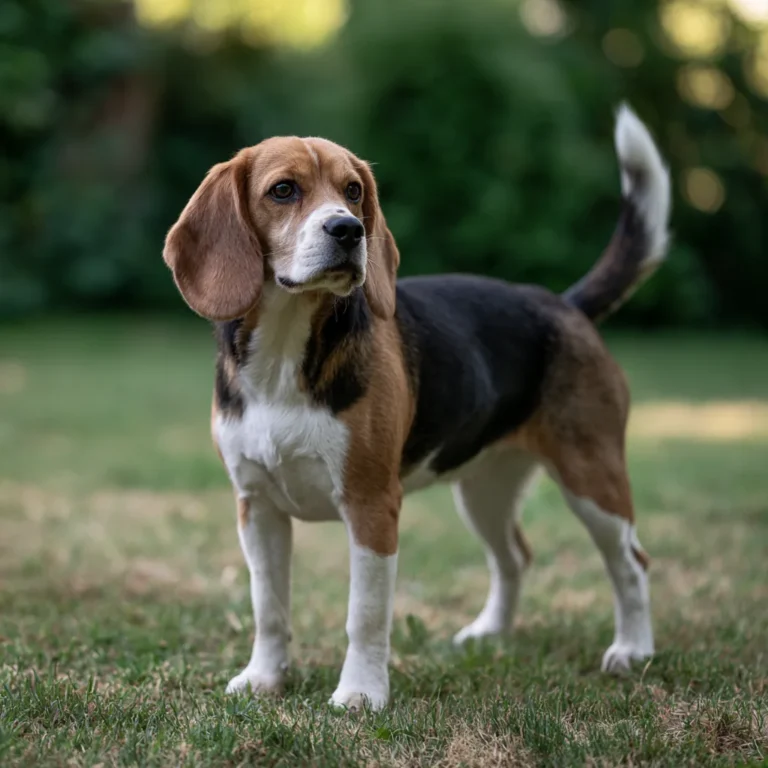
No Beagle stud dogs are listed right now
13 breeders list the Beagle. Ask them if they have a stud dog.
Beagle breeders
- Beagle · Clumber Spaniel · Toy PoodleSpecialities: not listed yet
Vanitonia
Highbridge, Somerset - Cavapoo · Beagle · Cavalier King Charles Spaniel +3Specialities: Companion and family dogsMixed breeder
Tynywaun Kennels Limited
Hendy, Carmarthenshire - Beagle · Cocker Spaniel · English Springer Spaniel +1Specialities: Detection dogs · Medical alert dogs
Advanced Canine Technologies Limited
Dover, Kent - BeagleSpecialities: not listed yetLicensed breeder5-star licence
Lilleagle Beagles
Warwick, Warwickshire - BeagleSpecialities: not listed yetLicensed breeder5-star licence
Vigor and Brydea Beagles
Thirsk, North Yorkshire - BeagleSpecialities: not listed yetLicensed breeder5-star licence
Erlenbek Beagles
Mid Suffolk, Suffolk - BeagleSpecialities: not listed yetLicensed breeder5-star licence
Mrs Christine Lewis Fallowfield Beagles
Carnforth, Lancashire - BeagleSpecialities: not listed yet
Barleo Beagles
Gloucester, Gloucestershire



13 listed. See all
Do you breed the Beagle? Add a stud dog free.
Using a Beagle stud dog
Beagle stud dogs
Before booking a Beagle stud, check that he is RKC registered and that his status is known for all five conditions the RKC lists: Lafora's, NCCD, factor VII deficiency, IGS and MLS. The Beagle Association advises that a carrier of Lafora's, NCCD, IGS or MLS should only be mated to a dog that is clear, so compare his results with your bitch's condition by condition and confirm them on the RKC Health Test Results Finder. Run the proposed mating through the RKC's inbreeding coefficient calculator (part of the service once called Mate Select) and aim for a litter figure at or below the breed average. Ask about epilepsy and steroid-responsive meningitis in his family, and meet him to see his temperament for yourself. The Beagle Club's code asks stud owners to be satisfied that the bitch's owner has the time and facilities to rear a litter, so expect questions in return. Agree the fee and terms in writing.
Health tests for a Beagle stud
Health and testing
The Beagle is in Breed Watch Category 1: the RKC has not flagged any breed-specific concerns for show judges beyond what the breed standard already covers.
The RKC lists five DNA tests for the breed. Two, for Lafora's disease and NCCD, sit under Good Practice, the minimum it strongly recommends; three, for factor VII deficiency, IGS and MLS, sit under Best Practice, and responsible breeders are asked to complete all five. The Beagle Association explains that all five conditions are recessive, so a carrier does not develop the disease, and advises that carriers of Lafora's, NCCD, IGS or MLS are mated only to a clear dog. In brief: Lafora's is a metabolic disease that progresses slowly, leading to seizures and other neurological signs, often not visible until a dog is a few years old; NCCD causes a coordination problem within a few weeks of birth; MLS causes physical deformities and, in some dogs, early arthritis and seizures; IGS stops vitamin B12 being absorbed properly and is treated with regular injections; and factor VII deficiency, a clotting disorder, appears to be minor in most Beagles. The Association has also investigated epilepsy and steroid-responsive meningitis, neither of which is on the RKC's test list.
What the RKC lists for this breed
- Good Practice: DNA test for Lafora's
- Good Practice: DNA test for Neonatal cerebellar cortical degeneration (NCCD)
- Best Practice: DNA test for Factor 7 deficiency (FVIID)
- Best Practice: DNA test for Imerslund-Gräsbeck syndrome (IGS-2)
- Best Practice: DNA test for Musladin-Lueke syndrome (MLS)
- Breed Watch: Category 1
More for Beagle owners and breeders
- Beagle: breeders
- Beagle: puppies for sale
- Beagle: stud dogs
- All Hound group breeds
- Bed bug detection dogs
- Family pet dogs and child-friendly breeds
- Food, animal-product and wildlife-trade detection dogs
Official sources
- Beagle breed page - The Royal Kennel Club
- Beagle breed standard - The Royal Kennel Club
- Breed Watch Category 1 - The Royal Kennel Club
- Health Test Results Finder - The Royal Kennel Club
- Inbreeding calculators - The Royal Kennel Club
- Inbreeding coefficient calculator - The Royal Kennel Club
- Beagle health - The Beagle Association
- Code of conduct and code of ethics - The Beagle Club
- Things to consider before Beagle ownership - Four Counties Beagle Club
- Choosing a Beagle - Beagle Welfare
- Dog breeding licence (England) - GOV.UK
- Get your dog or cat microchipped - GOV.UK