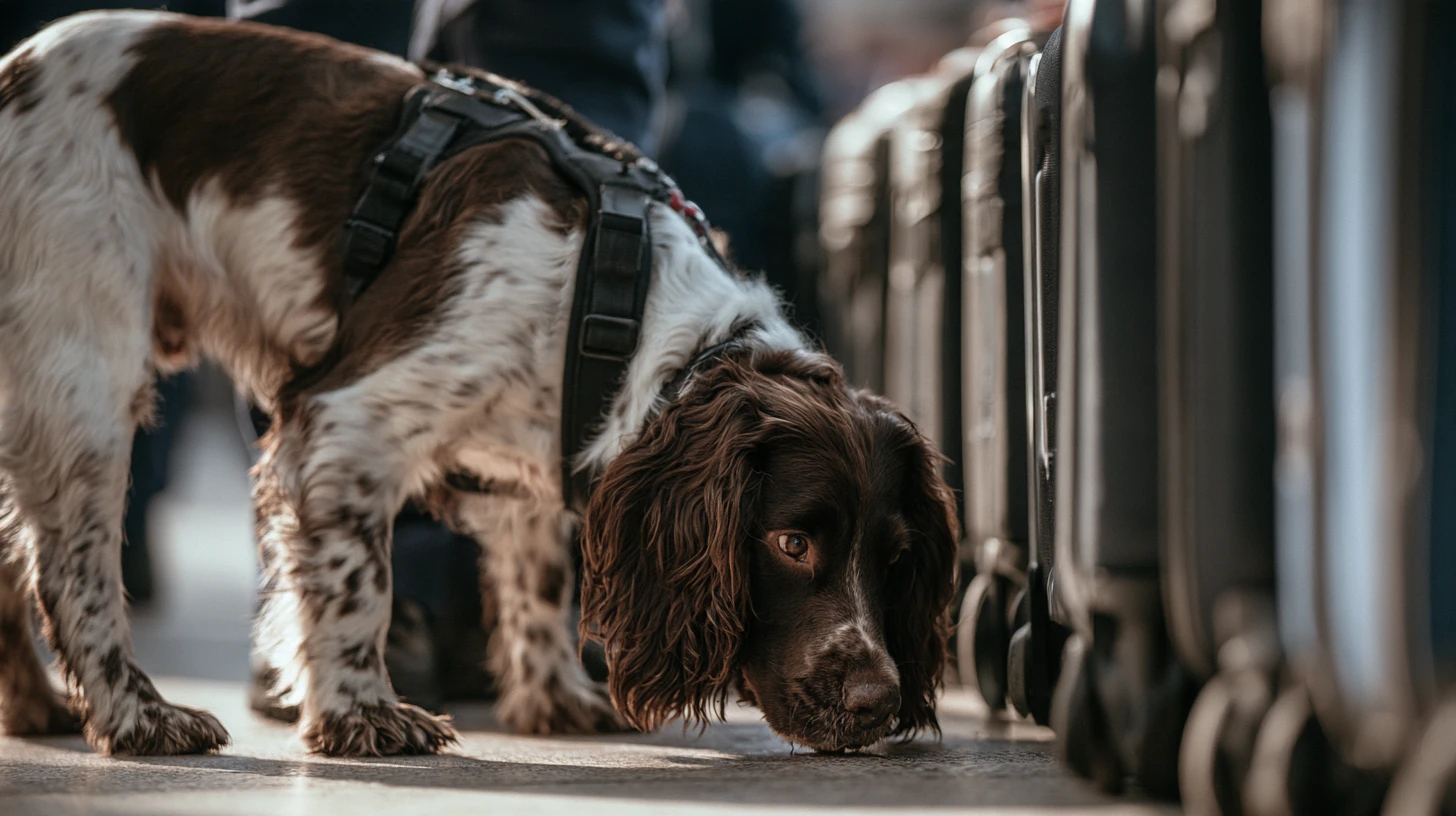
Breed dogs for food, animal-product and wildlife-trade detection dogs? Advertise here
Buyers and trainers use this page to find breeders whose lines do this work. List your kennel free, tick the industries your dogs work in, and advertise litters and stud dogs from proven working lines.
No breeders are listed here yet, so the first profiles get the page to themselves.
- Free basic profile: your breeder or company name, website, social media, location, breeds and industries.
- Litters and stud dogs advertised in their own sections, never mixed with puppies for sale.
- Premium showcase for your services and prices, previous customers, awards, video, gallery and health certificates, with your phone and email shown to buyers.
- Sponsored articles about your breed or industry, written and published by our team.
- Featured placement at the top of this page, labelled as sponsored.
Is it free to advertise here?
Yes. A breeder profile and your litter and stud dog adverts are free. Premium profiles, featured placement and sponsored articles are optional paid extras; see pricing.
Do I need a licence to advertise puppies?
In England you need a dog breeding licence from your council if you breed three or more litters in 12 months or breed and sell dogs as a business, and Wales, Scotland and Northern Ireland have their own schemes. Licensed breeders show their licence number and issuing council on every advert. Puppies must be at least eight weeks old before they go to new homes.
Is my listing already here?
We add licensed breeders from councils' public registers. Search for your kennel name; if it is listed you can claim it and edit everything.
About food, animal-product and wildlife-trade detection dogs
Detector dogs at UK ports and airports find meat, dairy, honey and other products of animal origin in luggage, post and freight. Specialist dogs are also trained to find ivory, pangolin scale and bushmeat moved in the illegal wildlife trade. Breeders on this directory supply puppies and young dogs with the aptitude for this work. They do not supply trained or certified detection dogs.
What this work involves
Products of animal origin dogs, often called POAO dogs, protect biosecurity. Meat and dairy products brought in against the rules can carry animal diseases that threaten UK livestock. A food detection dog airport teams use works along baggage reclaim, arrivals halls and parcel lines. It indicates on bags that contain meat, fish, dairy or honey. A biosecurity sniffer dog needs a gentle, sociable temperament because it often works close to passengers, including children.
Wildlife crime detection dog work is more specialised. An ivory detection dog is trained on ivory and may also learn pangolin scale, bushmeat, shark fin and other illegally traded products. It helps officers find them in luggage and freight. Finds can support prosecutions and wider investigations into trafficking networks.
Who trains and supplies these dogs in the UK
Border Force trains multi-skilled detector dogs. Its 2013 guide to its national dog programme lists products of animal origin, including meat, fish, honey and dairy products, among the goods its dogs are trained to detect. The same dogs search for drugs, tobacco, cash, firearms and people. Border Force gets dogs through a network of contacts, dogs given by the public and animal welfare establishments such as Battersea Dogs Home. It usually selects them at 12 to 24 months and trains them with its own instructors or on a police dog training course. People moving CITES-listed species must also show their CITES documents to Border Force at the border.
Wagtail UK is a detection dog company working for government agencies in the UK and overseas. It lists products of animal origin among the things its dogs are trained to find, including ivory, pangolin, skulls, shark fin and bushmeat. Its sister company, Conservation Dogs, trains specialist detection dogs for wildlife crime detection and wildlife conservation.
The supply model is that agencies and companies buy, accept or recruit young adult dogs and train them in-house. The breeder’s contribution is a sound, confident dog with strong search drive.
Breeds and lines
The typical breeds are the English Springer Spaniel, the Labrador Retriever, the Cocker Spaniel and the Beagle. Border Force names all four as its most common detection breeds. Beagles are often chosen for work among passengers because they are small, food-motivated and approachable. Working-line spaniels and Labradors suit freight and wildlife-crime searches, which need more stamina and climbing.
Whatever the breed, dogs for this work must be relaxed around crowds, luggage trolleys, lifts and hard, echoing floors.
What to ask a breeder
- Have dogs from your lines gone on to detection work, and with which kind of organisation?
- What health testing do the parents have, including hip and elbow scores, eye certificates and breed-relevant DNA tests?
- How are puppies socialised with crowds, children, trolleys, lifts and hard floors?
- For Beagles: how biddable and people-focused are the parents, and do they work well away from other dogs?
- Will you take the dog back if it is not suited to working life?
Legal and welfare notes
Import controls on animal products and CITES rules on wildlife trade are the basis for this work. Travellers cannot bring meat or milk products into Great Britain from outside the EU. From EU countries they cannot bring in pork, beef, lamb, mutton, goat, venison, cheese, milk or other dairy products. The exceptions are narrow, such as up to 2kg of powdered infant milk, infant food or special medical foods. Moving or trading CITES-listed species without a valid permit or certificate can lead to up to seven years in prison, an unlimited fine or both. The Animal and Plant Health Agency issues the permits. The Ivory Act 2018 has banned dealing in elephant ivory since 6 June 2022, with limited exemptions. Since 28 January 2025 the ban has also covered ivory from hippopotamuses, killer whales, narwhals and sperm whales. Working dogs are protected by animal welfare law throughout the UK.
Frequently asked questions
Do UK airports use food detection dogs?
Yes. Border Force detector dogs are trained to find products of animal origin such as meat, fish, honey and dairy. They work at airports, seaports, international rail stations and postal depots.
What does an ivory detection dog do?
It is trained to recognise the odour of ivory, and often of other illegally traded wildlife products such as pangolin scale and bushmeat. This helps officers find them in luggage and freight.
Can I buy a trained biosecurity sniffer dog from a breeder?
No. Breeders supply puppies and young dogs. Border Force and specialist companies select dogs and train them in-house.
If dogs from your lines work in food, animal-product or wildlife-trade detection, we would like to include you. List your kennel and explain your breeding, your health testing and how you place puppies with working and pet homes.
Breeds used for food, animal-product and wildlife-trade detection dogs
More in detection dogs
- Detection dogs
- Bed bug detection dogs
- Cash and currency detection dogs
- Conservation and wildlife detection dogs
- Detection dog puppies, trainers and handler courses
- Digital storage device detection dogs
- Drugs and narcotics detection dogs
- Dry rot and building-decay detection dogs
- Explosives detection dogs
- Fire investigation and accelerant detection dogs
- Firearms and weapons detection dogs
- Invasive species and Japanese knotweed detection dogs
- Tobacco and illicit cigarette detection dogs
- Truffle hunting dogs