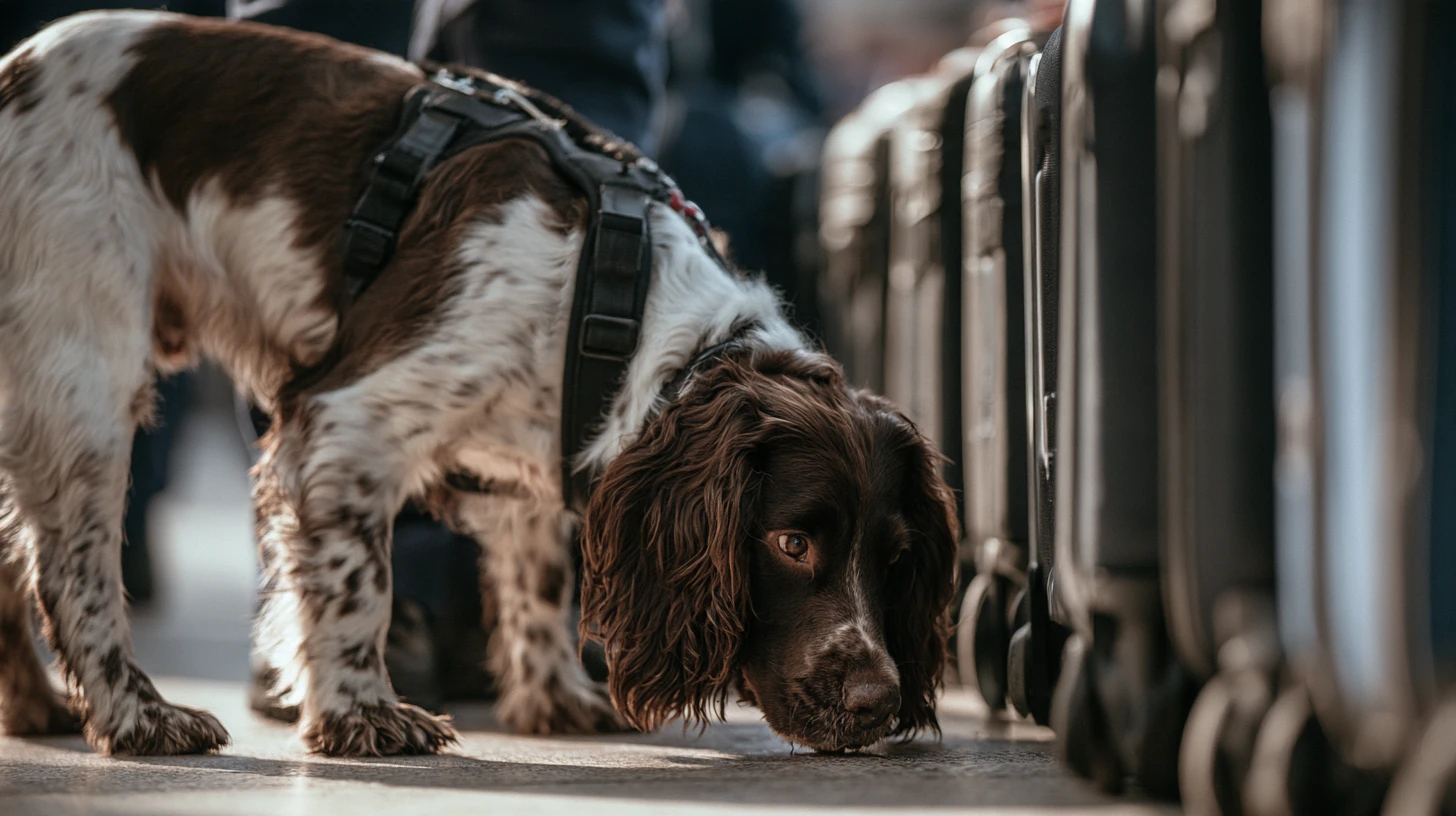
Breed dogs for drugs and narcotics detection dogs? Advertise here
Buyers and trainers use this page to find breeders whose lines do this work. List your kennel free, tick the industries your dogs work in, and advertise litters and stud dogs from proven working lines.
No breeders are listed here yet, so the first profiles get the page to themselves.
- Free basic profile: your breeder or company name, website, social media, location, breeds and industries.
- Litters and stud dogs advertised in their own sections, never mixed with puppies for sale.
- Premium showcase for your services and prices, previous customers, awards, video, gallery and health certificates, with your phone and email shown to buyers.
- Sponsored articles about your breed or industry, written and published by our team.
- Featured placement at the top of this page, labelled as sponsored.
Is it free to advertise here?
Yes. A breeder profile and your litter and stud dog adverts are free. Premium profiles, featured placement and sponsored articles are optional paid extras; see pricing.
Do I need a licence to advertise puppies?
In England you need a dog breeding licence from your council if you breed three or more litters in 12 months or breed and sell dogs as a business, and Wales, Scotland and Northern Ireland have their own schemes. Licensed breeders show their licence number and issuing council on every advert. Puppies must be at least eight weeks old before they go to new homes.
Is my listing already here?
We add licensed breeders from councils' public registers. Search for your kennel name; if it is listed you can claim it and edit everything.
About drugs and narcotics detection dogs
A drug sniffer dog at a port, a prison gate or a venue entrance is the visible end of a pipeline that often starts with a breeder or a rescue centre. Border Force, police forces, the prison service and private contractors all use drugs detection dogs in the UK and train them themselves or through specialist contractors. This directory lists breeders, not trained dogs.
What this work involves
A narcotics detection dog is trained to find the odour of controlled drugs and indicate where it is. There are two main styles of work:
- Active dogs search rooms, vehicles, cargo, mail and baggage, often off the lead, and indicate at the source.
- Passive drug dogs screen people, working on a collar and lead or harness under the handler’s direct control.
HM Prison and Probation Service (HMPPS) policy keeps these roles separate: passive dogs search only for items on people, while active dogs search operational areas, staff areas and vehicles, never a person. The work calls for strong search and play drive and a bold, sociable temperament around crowds.
Who trains and supplies these dogs in the UK
Border Force and its predecessors have used detector dogs at the UK border since 1978, when they searched only for drugs. In 2013 the government said the dogs work wherever people or goods enter or leave the UK, searching for drugs, tobacco, cash, products of animal origin, firearms and concealed people, and that they come from a range of breeders as well as Battersea and are selected for training at 12 to 24 months old. In October 2025 the government announced that Border Force had become the first agency in the world to use dogs trained to detect both fentanyl and nitazenes, screening postal items, cargo, freight and courier deliveries.
HMPPS runs its dog service under a national policy framework overseen by the National Dog and Technical Support Group and the National Dog Inspectorate, and its dogs include active and passive drug detection dogs. HMPPS may buy dogs from eight weeks old, untrained, part-trained or fully trained; puppies must come from ethical suppliers and, where possible, registered breeders; and spaniels, Labradors, retrievers and other gundogs may be bought for search duties. Procurement must comply with the Animal Welfare (Licensing of Activities Involving Animals) (England) Regulations 2018, and dogs must not knowingly be bought from breeders who run unethical breeding programmes or operate outside the Animal Welfare Act 2006.
Police forces keep drugs dogs within their own dog units; the Ministry of Defence Police, for example, listed drugs detection among its dog roles in 2014.
Wagtail UK, established in 2003, provides detection dogs and services to UK Border Force, HM Revenue and Customs, police, Trading Standards and the armed forces, including drugs, cash and tobacco detection. It says it is licensed by the Home Office to store and keep drugs and explosives for dog training.
Drug dog training happens inside these organisations or with specialist contractors; breeders supply some of the scent-driven spaniel and Labrador puppies and young dogs that feed the pipeline.
Breeds and lines
In 2013 Border Force said it prefers gundog types, naming English Springer Spaniels, Cocker Spaniels, Labradors and Beagles, and HMPPS policy allows spaniels, Labradors, retrievers and other gundogs for search work. In Royal Kennel Club terms that means the Spaniel (English Springer), the Spaniel (Cocker), the Retriever (Labrador) and the Beagle.
Temperament matters as much as drive, particularly for passive dogs. HMPPS assessors check physical condition, health, confidence (bold but not aggressive), sociability, agility, the ability to ignore distractions, and good search and play drive. Lines bred for work in the field tend to show the hunting drive these assessors look for.
What to ask a breeder
- Have dogs from your lines been bought by Border Force, the prison service, police or detection companies?
- Can you show the parents hunting and retrieving, and how toy-motivated are they?
- How do the puppies react to strangers, crowds, vehicles and sudden noise?
- What health tests have the parents had? For English Springer Spaniels, the Royal Kennel Club recommends the BVA/RKC hip and elbow schemes and the eye scheme, plus DNA tests.
- Do you hold a local authority breeding licence where the law requires one?
- Will you take a dog back, with a refund where agreed, if a buyer’s assessment finds it unsuitable?
Legal and welfare notes
Controlled drugs are governed by the Misuse of Drugs Act 1971 and the Misuse of Drugs Regulations 2001. A company or organisation that possesses controlled drugs in England, Wales or Scotland needs a Home Office domestic licence, and HMPPS lends drug training kits only to its accredited drug detection dog trainers, under strict logging rules. Possessing controlled drugs without authority is an offence, so private owners cannot lawfully keep real drugs to train a dog. Venue handlers may also need an SIA licence under the Private Security Industry Act 2001 if their role includes licensable activity such as door supervision. In England and Wales every handler owes the dog a duty of care under the Animal Welfare Act 2006.
Frequently asked questions
Can I buy a trained drugs detection dog?
Not from breeders on this site. Agencies either train their own dogs or buy them from specialist trainers; breeders sell puppies or young dogs from lines with aptitude for search work.
What age do buyers want?
HMPPS policy allows dogs to be bought from eight weeks old, and Border Force said in 2013 that it selects dogs for training at 12 to 24 months. Other buyers set their own requirements after assessing each dog.
What is a passive drug dog?
A dog trained to screen people rather than places, working on a collar and lead or harness under the handler’s direct control and indicating on a person it believes is carrying drugs.
If your working springers, cockers or Labradors have gone into drugs detection work, or your lines have the hunt drive and nerve it needs, list your kennel on Canine Breeder so buyers and handlers can find you.
Breeds used for drugs and narcotics detection dogs
More in detection dogs
- Detection dogs
- Bed bug detection dogs
- Cash and currency detection dogs
- Conservation and wildlife detection dogs
- Detection dog puppies, trainers and handler courses
- Digital storage device detection dogs
- Dry rot and building-decay detection dogs
- Explosives detection dogs
- Fire investigation and accelerant detection dogs
- Firearms and weapons detection dogs
- Food, animal-product and wildlife-trade detection dogs
- Invasive species and Japanese knotweed detection dogs
- Tobacco and illicit cigarette detection dogs
- Truffle hunting dogs