
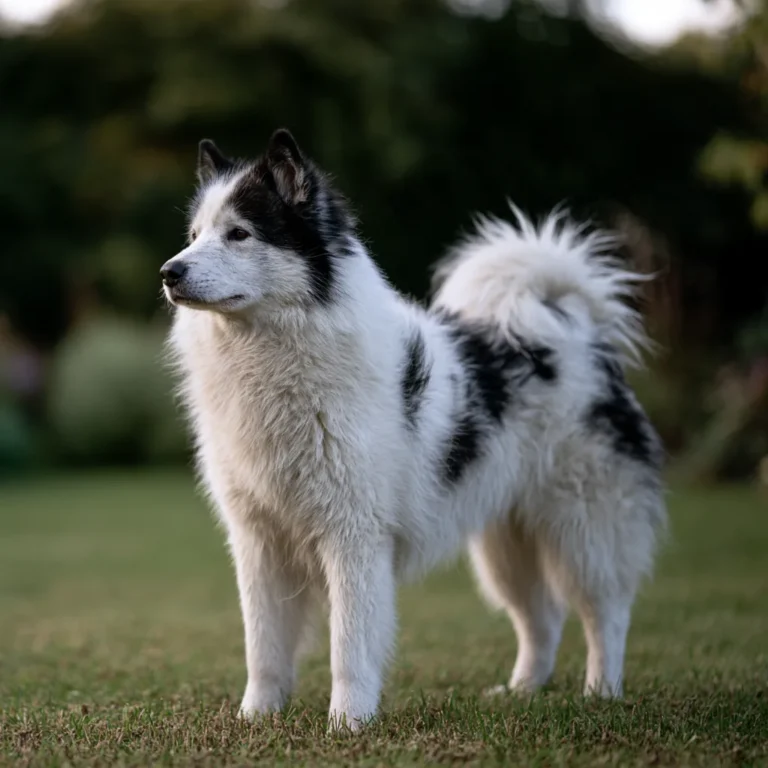
Using a Greenland Dog stud dog
Greenland Dog stud dogs on this page are advertised by their owners. Before you agree a mating, ask for the dog's hip score under the BVA/KC Hip Dysplasia Scheme and compare it with the breed median, and ask whether he has been eye screened, as the breed club requires for all members' breeding stock. Confirm that he is on the Royal Kennel Club register and ask about any endorsements, because the RKC has rules that can stop a litter being registered. With so few Greenland Dogs in the UK, relatedness is a real concern, so run the pairing through the RKC's inbreeding coefficient calculator and aim at or below the breed average. Ask about his temperament and what he has done, whether in harness or in the show ring. Agree in writing the stud fee, the number of matings and what happens if no puppies result. See also stud dogs and stud services.
Health tests for a Greenland Dog stud
The Greenland Dog is in Breed Watch Category 1, meaning the RKC has not flagged any breed-specific points of concern for show judges beyond those covered by the breed standard. The RKC's health guidance for the breed sets two levels. At Good Practice level, the minimum the RKC strongly recommends, breeders should prioritise genetic diversity when choosing a mate, which matters in a breed with so few dogs in the UK. At Best Practice level, breeding stock should also be hip scored under the BVA/KC Hip Dysplasia Scheme. The dog must be at least a year old and microchipped; each hip is scored from 0 to 53, giving a total of 0 to 106, and lower is better. The BVA advises breeding only from dogs scoring below or close to the breed median.
The Greenland Dog Club of Great Britain's code of ethics goes further: it requires members to hip X-ray and eye screen all breeding stock over twelve months old. Eye screening in the UK is offered through the BVA/KC/ISDS Eye Screening Scheme. You can look up any RKC-registered dog's results on the Health Test Results Finder. Health testing lowers the risk of inherited disease but cannot guarantee that a puppy will stay healthy.
Health tests and schemes the RKC lists for the Greenland Dog:
- Prioritising genetic diversity, for example by checking the coefficient of inbreeding of a planned mating (RKC Good Practice)
- Hip testing under the BVA/KC Hip Dysplasia Scheme (RKC Best Practice)
- Breed Watch: Category 1
More for Greenland Dog owners and breeders
- Greenland Dog: breeders
- Greenland Dog: puppies for sale
- Greenland Dog: stud dogs
- All Working group breeds
- Sled dogs and dryland mushing
Official sources
- Greenland Dog breed information - Royal Kennel Club
- Greenland Dog breed standard - Royal Kennel Club
- Greenland Dog Club of Great Britain
- The Breed - Greenland Dog Club of Great Britain
- Ownership - Greenland Dog Club of Great Britain
- Litters - Greenland Dog Club of Great Britain
- Code of Ethics - Greenland Dog Club of Great Britain
- BVA Hip Dysplasia Scheme for dogs - British Veterinary Association
- BVA Hereditary Eye Disease Scheme for dogs - British Veterinary Association
- BVA/KC Hip Dysplasia Screening Scheme - Royal Kennel Club
- BVA/KC/ISDS Eye Screening Scheme - Royal Kennel Club
- Genetic diversity: managing and maintaining - Royal Kennel Club
- Breed Watch Category 1 - Royal Kennel Club
- Inbreeding coefficient (COI) lookup - Royal Kennel Club
- Dog Health Test Results Finder - Royal Kennel Club
- Dog breeding licence (England) - GOV.UK